

Virtual Reality Brand Activations in 2026: Turning Event Visitors Into Participants
Virtual reality brand activations are helping businesses create more memorable event experiences by turning visitors into active participants rather than passive observers.
Virtual Reality Brand Activations in 2026: Turning Event Visitors Into Participants
A successful brand activation gives people more than something to look at. It gives them a reason to stop, take part and remember the brand after the event is over. In a busy exhibition hall, shopping centre, conference venue or festival, that is a difficult task. Visitors are surrounded by screens, signage, product displays and promotional staff competing for the same attention.
Virtual reality can change that interaction. Instead of asking a visitor to read a message or watch a demonstration, a VR activation can place them inside a branded experience. They can explore a destination, test a product, complete a challenge, step into a future environment or take part in a story that would be impossible to recreate physically at the venue.
In 2026, the most effective VR activations are not necessarily the biggest or most technically complicated. They are designed around a clear idea. They are easy for first-time users to understand, short enough to work in an event environment and closely connected to the brand’s wider campaign.
The headset is only one part of the experience. The real value comes from the moment a visitor understands the story, reacts to it and begins a conversation with the people representing the brand.
Why Participation Creates Stronger Brand Recall
Traditional event marketing often depends on passive attention. A person walks past a stand, sees a logo, accepts a brochure or watches a short product demonstration. These activities can be useful, but they do not always create a lasting connection.
VR gives visitors a more active role. They may need to look around, make decisions, use controllers, follow a guide or complete a simple challenge. That involvement can make the brand message feel more personal because the visitor is not only being told about the experience; they are taking part in it.
For example, a vehicle brand can allow visitors to explore a new model in a virtual environment that shows features difficult to demonstrate on a crowded floor. A property developer can take potential buyers through an apartment before construction is complete. A tourism business can let people stand at a viewpoint, walk through accommodation or experience an activity before planning a trip.
The Visitor Becomes Part of the Story
The strongest VR activations make the visitor feel like the central character. A generic 360-degree video can be visually attractive, but an interactive experience can create a deeper connection because people are doing something rather than only watching.
A visitor may be asked to solve a challenge, customise a product, choose a route or complete a mission connected to the campaign. The activity does not need complicated gameplay. In fact, simple interaction is usually better at live events because it keeps the experience accessible and easy to explain.
When a visitor has a personal result at the end, such as a score, a customised image, a short video clip or a digital reward, the activation can become more shareable. It also gives staff a natural reason to continue the conversation after the headset comes off.
Attention Is More Valuable When It Has a Purpose
A queue at an event can look impressive, but a long queue is not automatically a sign of success. The activation should lead somewhere. It may encourage visitors to speak to a product specialist, enter a competition, request a quote, book a demonstration or share their experience with friends.
The VR content should support that next step. If the experience is exciting but unrelated to the product or campaign, people may remember the headset but forget the brand. A focused story creates a clearer connection between the moment inside VR and the action the business wants visitors to take afterwards.
Designing a VR Activation Around a Clear Campaign Goal
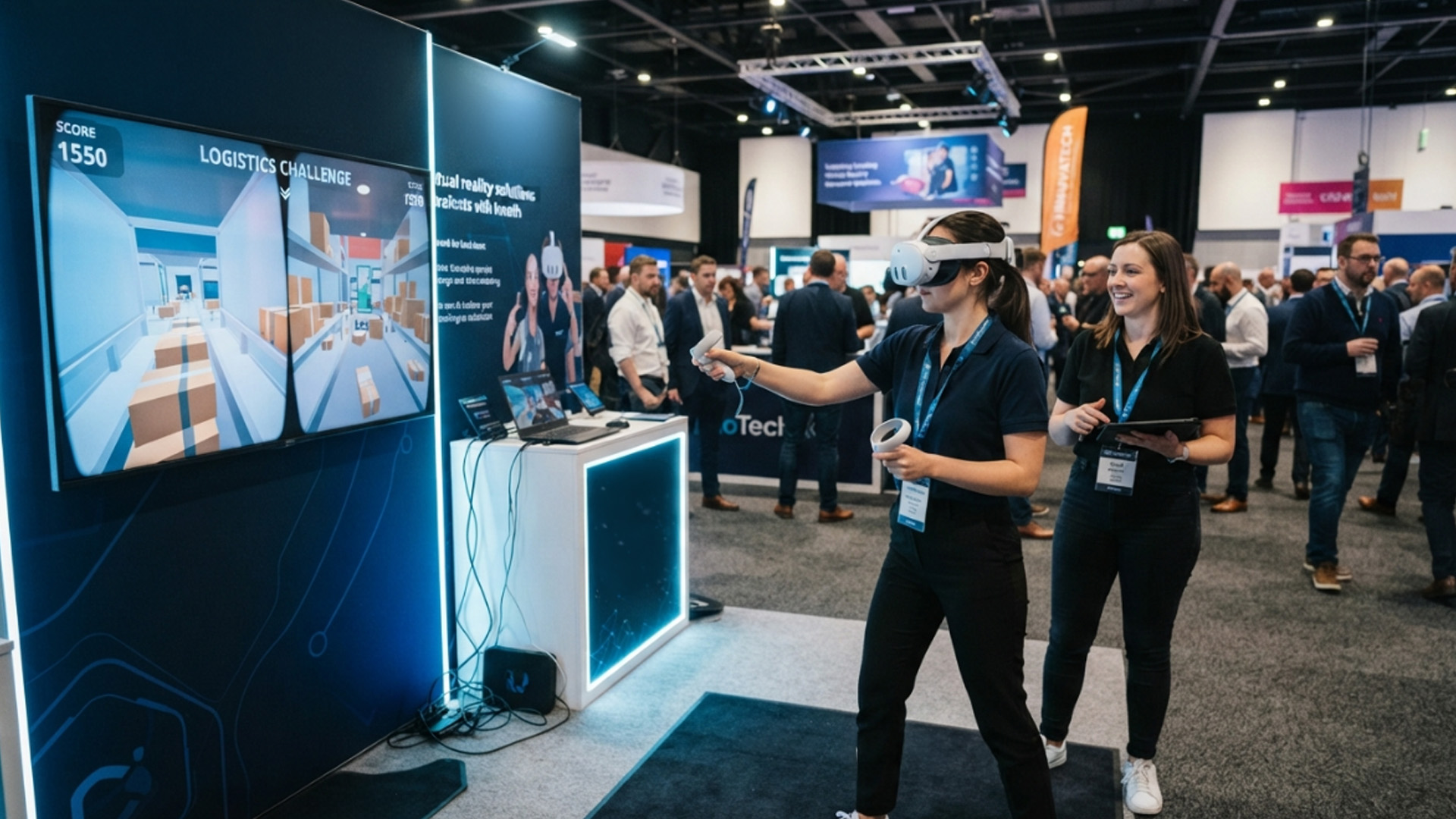
The first question for any activation should not be which headset to use. It should be what the campaign needs to achieve. A launch may need awareness. A trade show may need qualified leads. A retail event may need people to spend more time in a store. A corporate event may need to introduce employees to a new initiative.
Once the objective is clear, the VR experience can be shaped around it. This helps avoid a common problem where the technology looks impressive but does not support the message. The best activations feel like a natural part of the campaign rather than a separate attraction placed beside it.
A brand that wants to explain a complex product may use VR to show how it works in a real environment. A business promoting a destination may use a virtual tour to create interest before handing visitors a tailored travel guide. A company launching a sustainability initiative may create a short immersive story that shows the impact of everyday choices.
Start With One Strong Idea
A live event is not the right place for a long tutorial or a complicated virtual world. Visitors need to understand the purpose quickly. A strong activation usually has one central idea that can be explained in a sentence.
For example: explore the future home before it is built; experience the product from the inside; complete a challenge to unlock a reward; visit the destination in three minutes; see how your choices change the outcome. These ideas are simple, but they give the experience direction.
A clear idea also helps the event team explain the activity while people are waiting. If staff can describe the experience easily, visitors are more likely to join. If the explanation is confusing, people may walk past before they discover what makes the activation worthwhile.
Keep the Brand Present Without Overloading the Experience
A branded VR activation should feel connected to the company, but it should not surround the visitor with logos at every moment. Too much branding can make the experience feel like an advert rather than an activity people want to enjoy.
The brand can be present through the environment, the story, the product, the reward and the conversation afterwards. If the activation is built around a real customer benefit, the connection will feel more natural.
For example, a vehicle brand does not need a logo floating in every scene if the visitor is experiencing the comfort, design or performance of the vehicle. A property brand can allow the space itself to tell the story. A tourism business can focus on the character of the destination while using staff and follow-up material to connect the experience to booking options.
Short Sessions Help More People Take Part
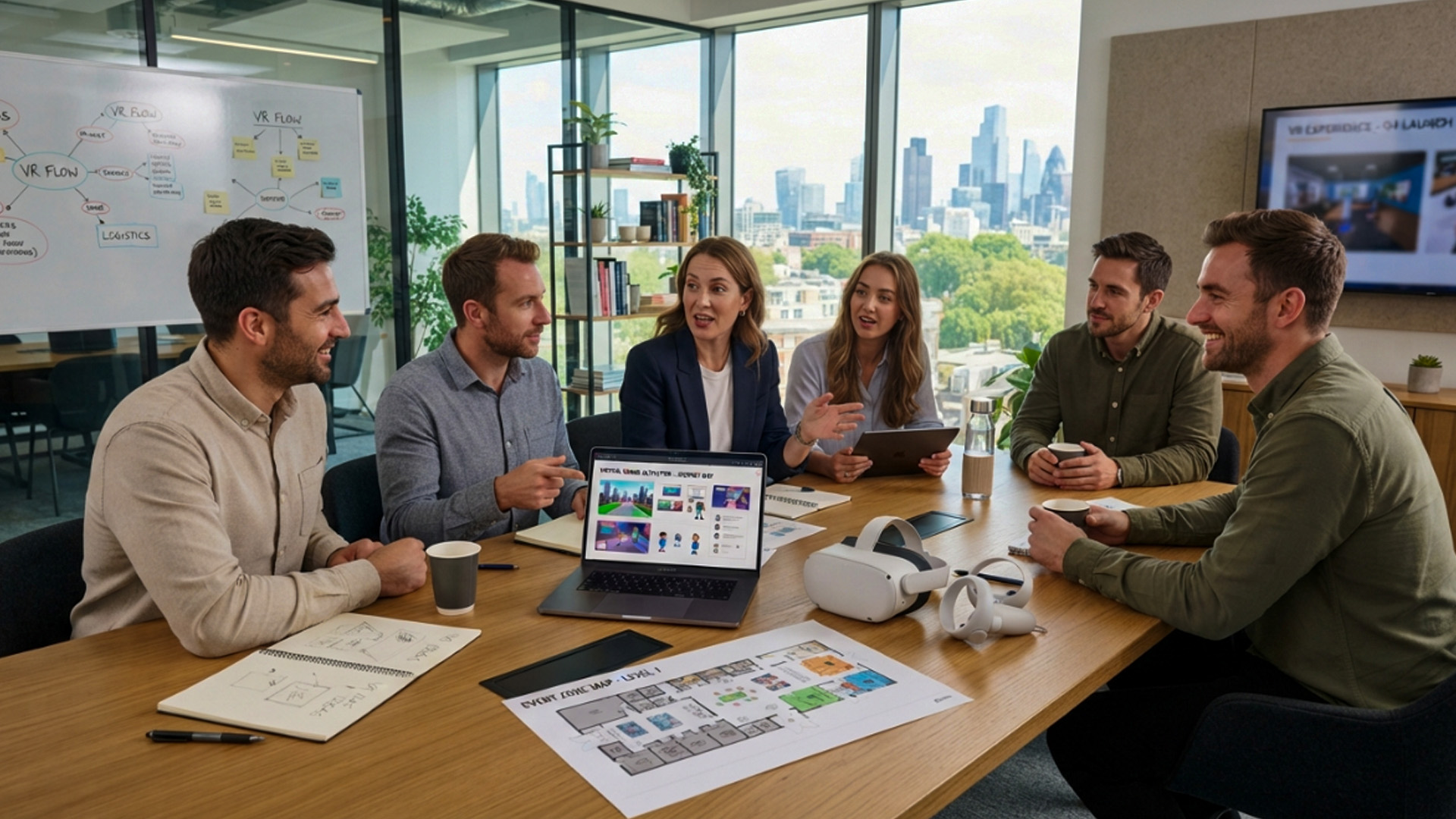
Event visitors have limited time. They may be moving between meetings, attending talks, visiting several stands or arriving with friends and colleagues. A long VR session can create operational problems, especially when headsets need to be cleaned, adjusted and reset between users.
Short experiences are usually more effective. A three- to five-minute activation can create a strong moment without slowing down the entire event. It allows more people to participate, keeps queues manageable and gives staff enough time to speak to visitors after the experience.
Short does not mean shallow. A focused VR story can still create impact if it has a clear beginning, a memorable central moment and a simple ending that connects back to the campaign.
Make the First Minute Easy
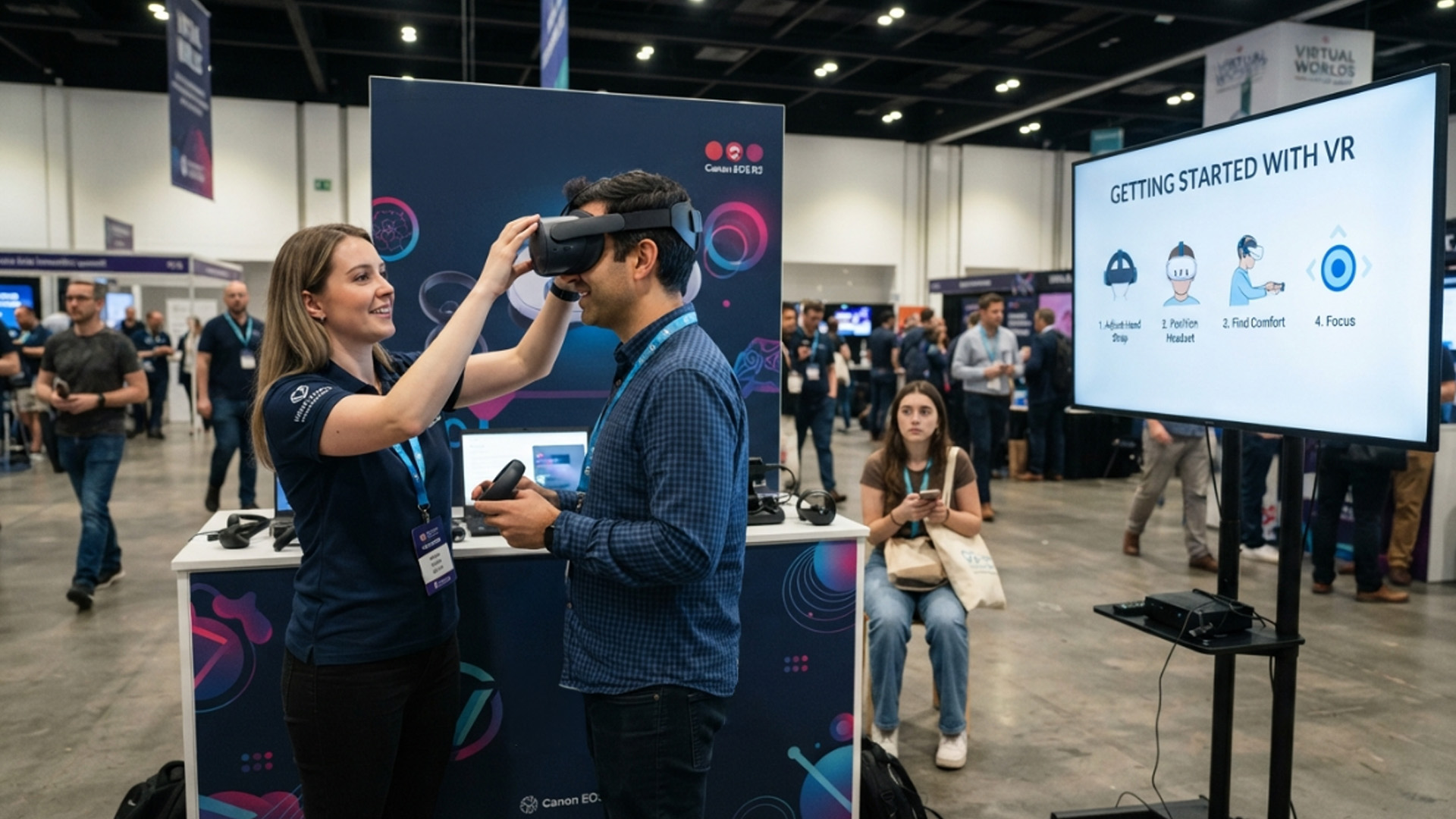
Many people at public events will be using a VR headset for the first time. They may feel uncertain about the controls, the fit of the device or what they are expected to do. The first minute should therefore be simple and welcoming.
A host can explain what will happen before the headset is fitted. Inside the experience, clear visual prompts and natural interactions can help visitors understand how to move forward. If controllers are required, the actions should be limited and easy to learn.
The goal is to remove unnecessary friction. Visitors should spend their time enjoying the experience rather than trying to work out which button to press.
Build a Better Queue Experience
People waiting for a VR activation should still feel involved. A large screen can show a live mirrored view of what participants are seeing. Staff can explain the challenge, answer questions and introduce the product or campaign while guests wait.
This makes the queue part of the activation rather than dead time. It can also create curiosity among people walking past, especially when they see real reactions from participants.
Good queue design includes a clear start point, a simple explanation of how long the experience will take and enough space for people to wait comfortably. It should be easy for visitors to decide whether they want to join without feeling pressured.
VR Works Best When It Connects to the Physical Event
Virtual reality can be powerful on its own, but it becomes more effective when it connects to the real environment around it. A visitor should not remove the headset and feel that the experience has ended without any link to the stand, product or people nearby.
The physical space can continue the story. A visitor who explores a vehicle in VR can then sit inside the real model. Someone who walks through a future property can speak to a sales consultant and view plans. A person who completes a branded challenge can collect a reward, receive a photo or enter a competition.
This combination gives the activation a stronger purpose. VR creates the emotional or educational moment, while the physical event gives visitors a practical next step.
Creating Shareable Moments Without Forcing Them
Many brands want event content that visitors will share online. VR can support this, but the shareable moment should feel natural. A photo of someone wearing a headset is not always enough. The best content captures the reaction, result or story behind the experience.
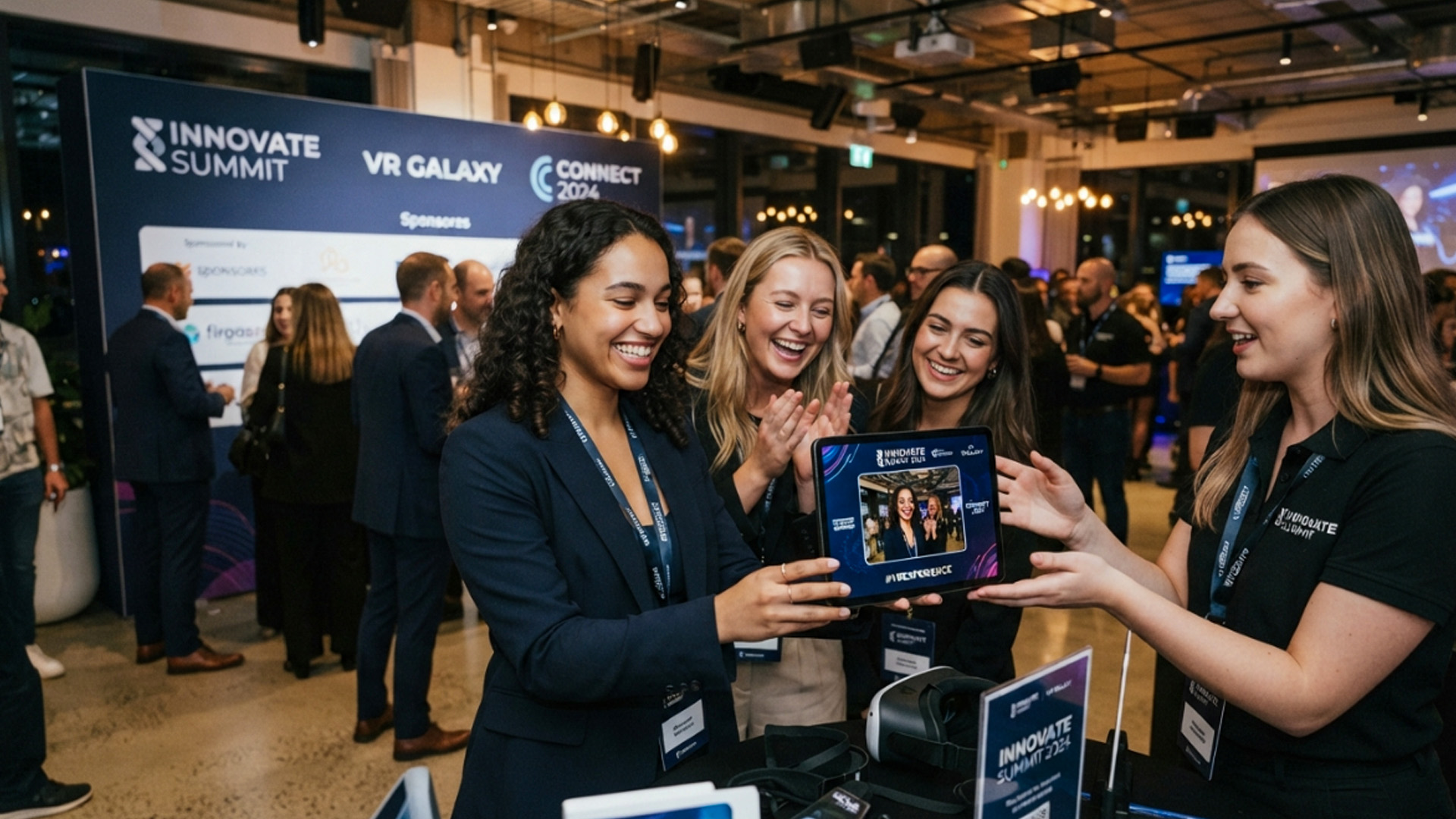
A participant might receive a short clip of their virtual challenge, a personalised image, a digital certificate or a score that they want to compare with friends. A branded photo area can also help visitors share the moment after they have completed the experience.
The focus should remain on the visitor. If people feel they have gained something enjoyable or personal, they are more likely to share it without being asked repeatedly.
Staff Turn the Experience Into a Conversation
The people running the activation are as important as the content. A friendly host can help visitors feel comfortable, explain the activity and make sure the equipment is used correctly. A brand representative can then turn the reaction into a useful conversation.
For a product activation, staff can ask what visitors noticed or which feature interested them most. For a tourism activation, they can ask what part of the destination stood out. For a corporate event, they can connect the virtual scenario to the real workplace or initiative being discussed.
This follow-up is where a VR activation can become more than entertainment. It creates an opening for a conversation that would be harder to begin with a brochure or standard display alone.
Measuring Whether the Activation Worked
A VR activation should be measured against the goal it was created to support. The number of people who used the headset is useful, but it is only one part of the picture.
If the objective was lead generation, organisers can track how many participants chose to share their details or request follow-up information. If the goal was product education, staff can ask a short question after the experience to see what visitors understood. If the campaign focused on social reach, the team can measure how many people shared their personalised content.
Other useful signs include dwell time, repeat visits, conversations started, competition entries and post-event enquiries. The most valuable data is the data that helps the business understand whether the activation changed awareness, interest or behaviour.
Planning for Reuse After the Event
A well-produced VR experience does not need to be used only once. The same content can be adapted for future exhibitions, retail locations, sales meetings, training sessions or online 360-degree viewing.
This can make the investment more useful over time. A campaign may begin at a major event, then continue through smaller activations and digital channels. The headset version can remain the most immersive format, while a screen-based version allows people to explore the story from a phone or computer.
In 2026, virtual reality activations are becoming more effective because they are being designed around participation, simplicity and clear business outcomes. The best experiences invite people to step into a story, then give them a meaningful reason to continue engaging once they return to the real event.
Author: Elisha Roodt
Virtual Reality Activations is South Africa's leading immersive event provider, bringing interactive virtual reality experiences, high-end hardware rentals, and custom software builds to corporate activations nationwide.