
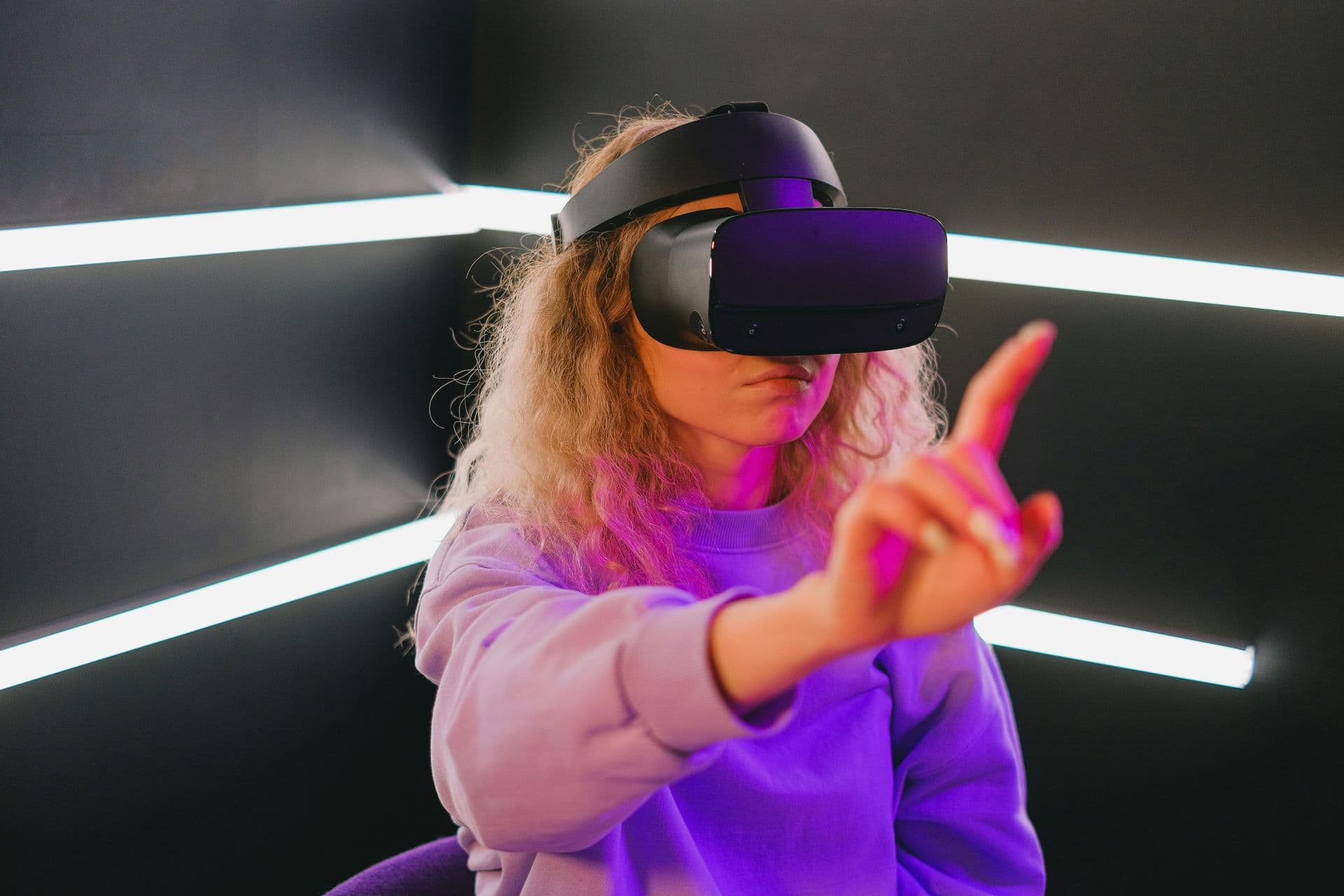
Immersive Brand Activations: Engaging Audiences in the Metaverse
Leverage 3D virtual worlds for experiential marketing that boosts awareness, loyalty, and sales through immersive, interactive brand activations.
The New Frontier of Experiential Marketing
Marketing in the digital age has always chased attention, but attention spans are shrinking. Consumers are no longer satisfied with static campaigns or traditional online ads—they crave experiences. The metaverse, a sprawling network of immersive 3D worlds, presents a unique opportunity for brands to meet this demand. Experiential marketing here is not just eye-catching—it’s interactive, memorable, and measurable.
In these virtual landscapes, brands can craft spaces where users interact directly with products, services, and storytelling. Unlike conventional campaigns, these activations offer a three-dimensional presence: the ability to walk, explore, and engage. This level of immersion transforms fleeting curiosity into brand loyalty, turning passive viewers into active participants.

Why the Metaverse Changes the Game
Traditional advertising relies on interruption. Pop-ups, banners, and even social media ads demand attention but rarely sustain engagement. In contrast, the metaverse thrives on presence. Users enter these worlds willingly, often with avatars that mirror their real-world identity. Here, they’re prepared to spend time, socialize, and explore—conditions that brands can harness for meaningful interactions.
VR and AR technologies deepen this engagement. Brands can create virtual stores, interactive product demos, or gamified experiences where users earn rewards or unlock content. Every movement, click, or interaction generates data that brands can use to measure engagement, refine messaging, and optimize conversions.
This capability transforms marketing from a one-way broadcast into a two-way dialogue, where brand perception is shaped by lived experience rather than mere exposure.
Designing Effective Immersive Activations
Creating a memorable metaverse activation requires careful orchestration. It’s more than translating a traditional campaign into 3D—it’s about designing experiences native to virtual worlds. The key elements include:
Interactivity: Users should do more than look—they need to touch, move, or manipulate. A virtual car showroom, for instance, allows visitors to test drive vehicles or customize features in real-time.
Storytelling: Narrative remains central. Immersive worlds provide a canvas for unfolding brand stories, revealing values, and creating emotional connections.
Social Integration: Shared experiences amplify impact. Integrating multiplayer features, collaborative quests, or events fosters community around the brand.
Gamification: Rewards, leaderboards, and challenges drive repeat engagement while keeping the experience fun and memorable.
A successful activation seamlessly blends these elements, ensuring users feel part of a cohesive story rather than a forced advertisement.
Driving Awareness and Loyalty
Awareness in the metaverse comes from presence, not repetition. Virtual billboards, branded environments, or limited-edition NFT collectibles can generate buzz across platforms and social channels. Unlike traditional campaigns, these activations are often shareable in real-time, encouraging organic growth.
Brand loyalty in immersive worlds hinges on utility and enjoyment. If users derive value—whether through entertainment, learning, or social interaction—they develop a positive association that extends beyond the virtual realm. Rewards, achievements, and exclusive access can further strengthen these bonds, incentivizing repeated interactions and long-term commitment.

Measuring Sales Impact in Virtual Worlds
Skeptics often question whether metaverse marketing drives measurable sales. The answer lies in the rich analytics these platforms provide. Every interaction—how long a user spends in a branded space, which products they explore, and what content they share—can inform precise ROI calculations.
Integration with e-commerce channels is also key. Virtual try-ons, instant purchases, or QR-enabled product unlocks connect engagement directly to transactions. Brands can thus track the full customer journey from exploration to purchase, making metaverse activations not just experiential but economically accountable.
Case Studies of Effective Metaverse Activations
Several brands have already demonstrated the potential of immersive experiences. Automotive companies have hosted virtual test drives, allowing potential buyers to explore new models in interactive environments. Fashion brands have launched digital showrooms where users can customize and purchase virtual garments, blurring the line between physical and digital retail. Entertainment franchises have created interactive fan zones, turning passive viewers into active participants and advocates.
These examples reveal that success comes from aligning the experience with brand identity and audience expectations while leveraging the full technological potential of VR and AR.
Overcoming Challenges
Despite the promise, immersive marketing is not without hurdles. High development costs, technical barriers, and varying consumer comfort with VR devices can limit reach. Brands must balance sophistication with accessibility, ensuring experiences are engaging yet easy to navigate.
Cross-platform compatibility is critical. Users may access activations on VR headsets, PCs, or mobile devices, and the experience must remain consistent. Additionally, privacy and data security are paramount—users need confidence that interactions are safe and compliant with regulations.
The Future of Brand Activations
As the metaverse evolves, so will the expectations of consumers. Future activations may leverage AI-driven avatars, adaptive narratives, and hyper-realistic environments to deliver even deeper personalization. Physical and digital worlds will increasingly intertwine, offering hybrid experiences that engage users in both realms.
For brands, the key is agility. Those who experiment now, iterating based on user data and technological trends, will position themselves as leaders in immersive marketing. The payoff is clear: richer engagement, stronger loyalty, and measurable business impact in a space where attention is the ultimate currency.
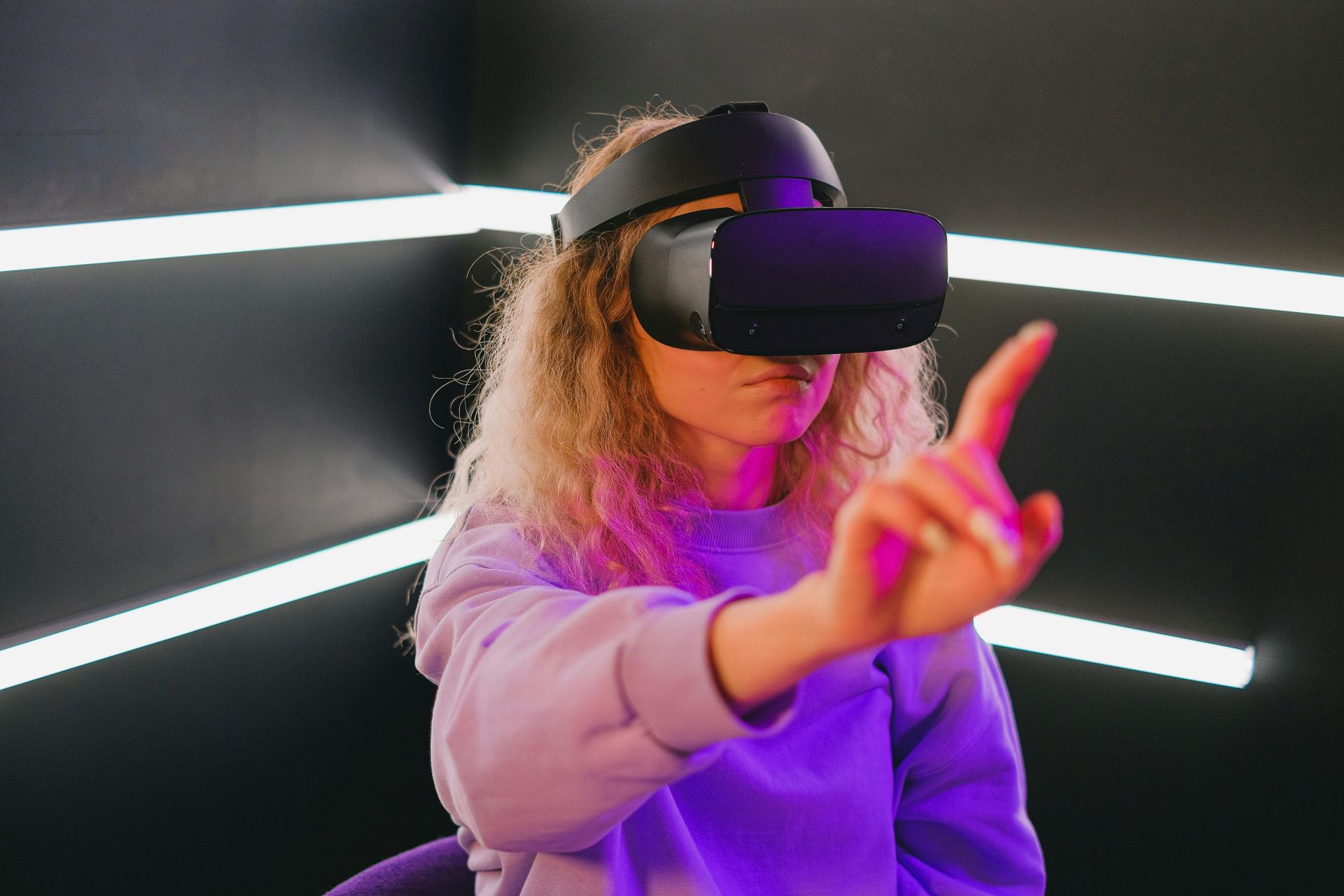
Immersive Marketing as a Strategic Imperative
Immersive brand activations in the metaverse are not a passing trend—they represent a fundamental shift in how brands connect with audiences. By embracing interactivity, storytelling, and social engagement, companies can create experiences that resonate emotionally and drive tangible results.
The metaverse offers a landscape where curiosity becomes commitment, play transforms into purchase, and engagement converts into loyalty. For brands willing to navigate this new frontier, the opportunity to stand out is unparalleled—turning virtual worlds into real-world value.
Author: Elisha Roodt
Virtual Reality Activations is South Africa's leading immersive event provider, bringing interactive virtual reality experiences, high-end hardware rentals, and custom software builds to corporate activations nationwide.