
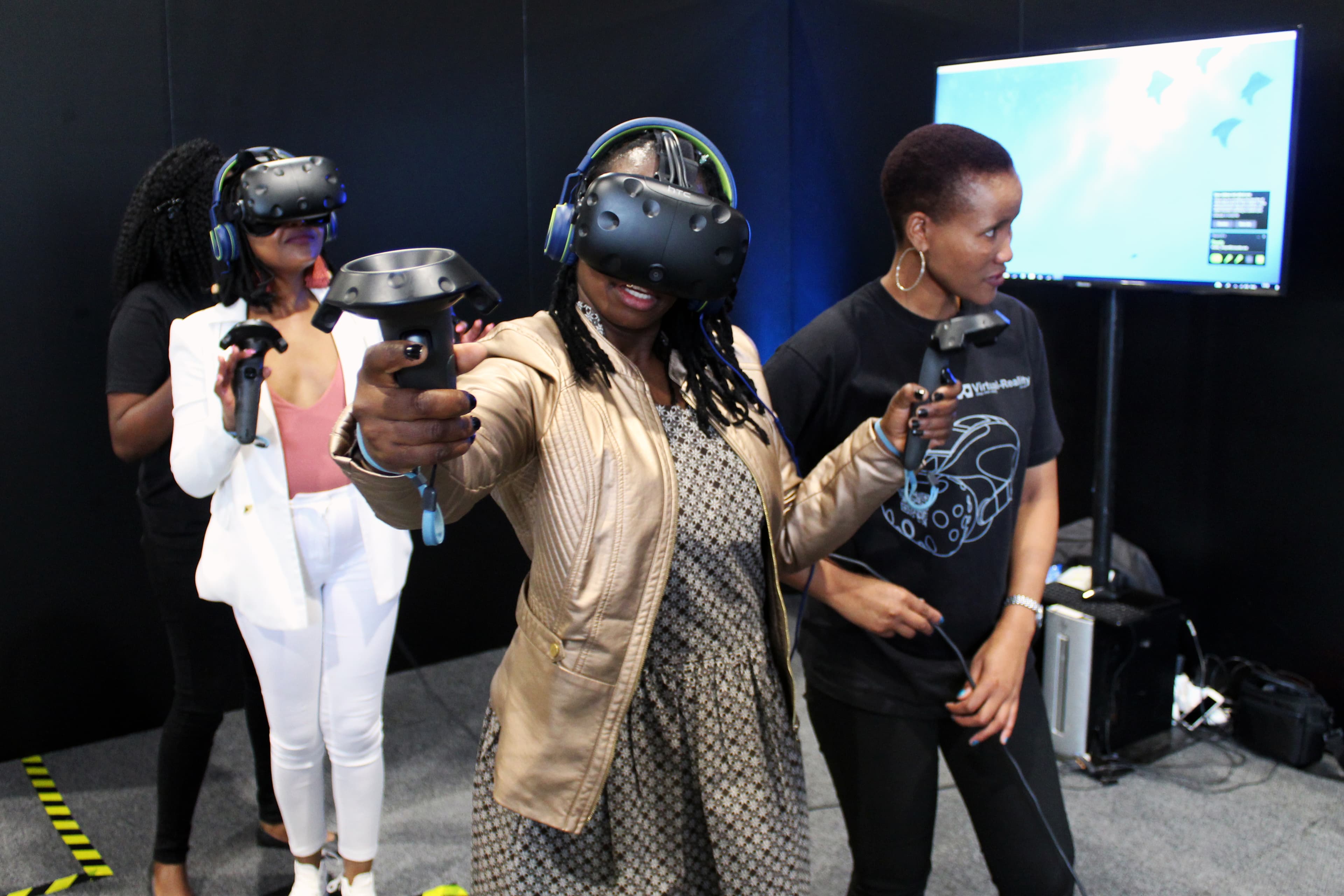
Virtual Reality Events South Africa
Virtual Reality Events Virtual Reality (VR) has revolutionized how events are conducted, offering an immersive and interactive experience unlike...
Virtual Reality Events
Virtual Reality (VR) has revolutionized how events are conducted, offering an immersive and interactive experience unlike any other. In South Africa, the adoption of VR for events has surged, reflecting a broader global trend. These events leverage cutting-edge technology to create memorable and engaging experiences for attendees, transcending the limitations of traditional events.
Types of Virtual Reality Events
Corporate Events
Corporate gatherings, such as conferences and product launches, have been revolutionized by the integration of VR. These events now feature interactive demos, virtual tours, and immersive presentations, offering companies a unique and engaging way to connect with their audience. Attendees can participate in hands-on demonstrations of new products, exploring features and functionalities in a virtual setting that closely mimics real-life interactions. Virtual tours enable participants to experience company facilities, product lines, or future project sites, providing a comprehensive understanding without geographical constraints. Immersive presentations transform traditional keynote speeches into dynamic, interactive experiences, where attendees can delve deeper into the content through VR, making the information more memorable and impactful. This innovative approach not only captivates the audience but also enhances the overall experience, fostering a stronger connection between the company and its stakeholders. By leveraging VR, corporate events are becoming more engaging, informative, and memorable, setting a new standard for how companies present and promote their products and services.
Educational Workshops
VR is a transformative tool in education, offering workshops that enable participants to explore new concepts in an interactive and immersive environment. Virtual labs allow students to conduct experiments safely and thoroughly, providing hands-on experience without the constraints of physical lab space or resources. Historical simulations transport learners to different eras, letting them witness significant events firsthand and engage with historical figures, making history come alive in a way textbooks cannot match. These educational VR events make learning both fun and impactful, catering to various learning styles by combining visual, auditory, and kinesthetic elements. Imagine students dissecting virtual organisms, building complex structures, or exploring ancient civilizations—all from their classroom or home. This dynamic approach not only enhances understanding and retention but also fosters a deeper interest in the subject matter. By making education more engaging and accessible, VR workshops are setting new standards in the educational landscape, preparing students for the future with innovative and interactive learning experiences.
Social Gatherings and Parties
Social events, including parties and reunions, are increasingly embracing virtual reality to create engaging and interactive virtual spaces. These gatherings leverage VR technology to allow people to interact, play games, and share experiences, no matter where they are physically located. Imagine attending a virtual reunion where you can explore a digitally recreated version of your old school, chat with friends in a virtual lounge, or participate in interactive games and activities that bring everyone together. VR makes it possible to host themed parties where guests can don virtual costumes, dance in fantastical settings, and even embark on shared adventures. These immersive experiences break down geographical barriers, enabling people to connect and celebrate as if they were in the same room. By providing a rich and engaging environment, VR enhances the social aspect of these events, making them more memorable and enjoyable. As VR technology continues to evolve, its role in transforming social events is set to expand, offering new ways for people to gather, interact, and create lasting memories together.
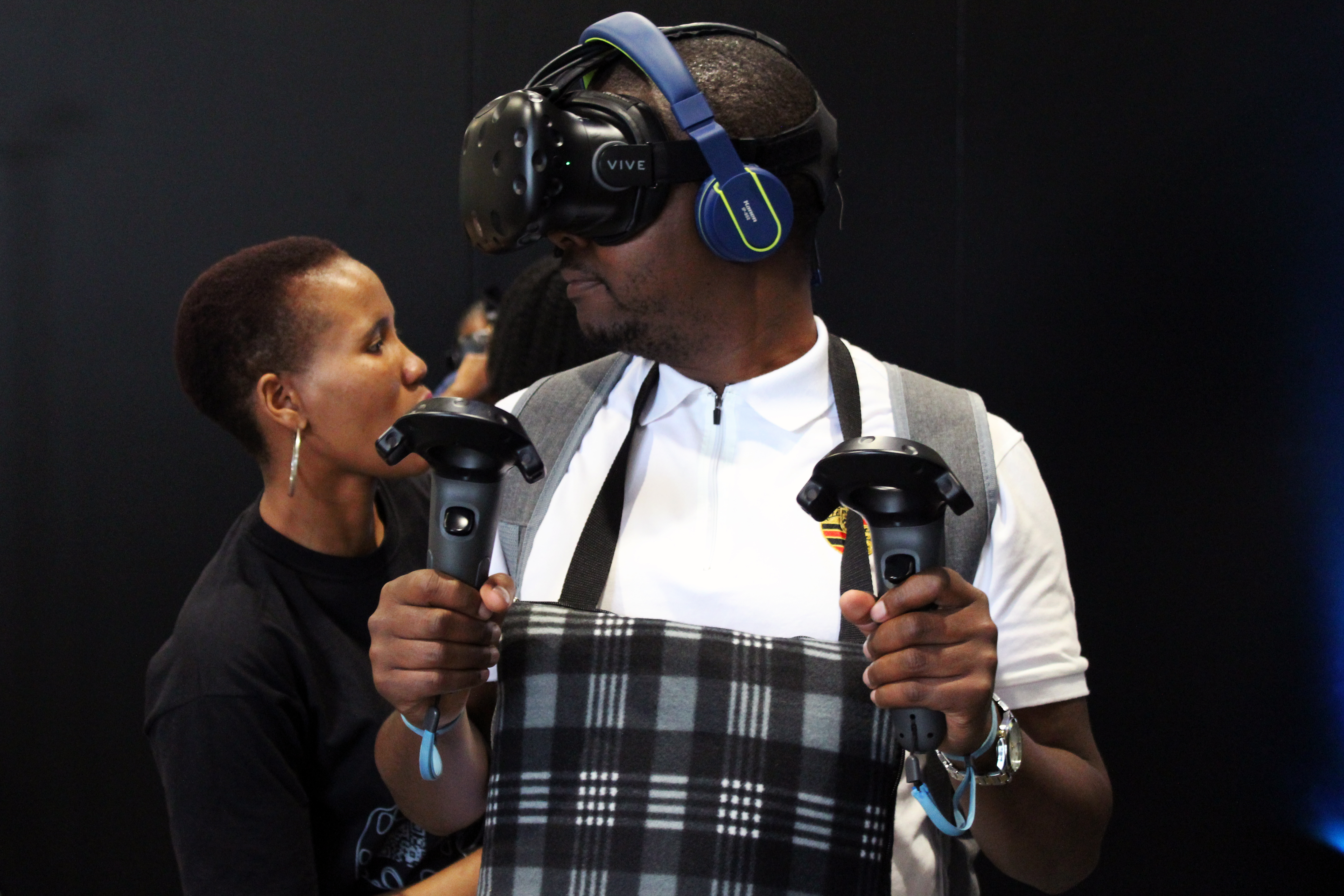
Key Benefits of Virtual Reality Events
Immersive Experience
The immersive nature of VR events creates a profound sense of presence, making attendees feel as if they are truly part of the event. This heightened level of engagement is unparalleled, transforming experiences into vivid, memorable moments. When participants don VR headsets, they are transported into meticulously crafted virtual environments where they can interact with others, explore new worlds, and participate in dynamic activities. Imagine attending a virtual concert where you can stand front row, feel the crowd's energy, and even interact with the performers. This immersive engagement makes each event more impactful and personal. The sensory richness and interactivity of VR create a deep emotional connection, enhancing the overall experience and ensuring it lingers in the participants' minds long after the event concludes. As VR technology continues to advance, its ability to create compelling, memorable experiences will only grow, solidifying its place as a powerful tool for event engagement.
Enhanced Engagement
VR events captivate attendees with interactive elements and immersive storytelling, creating an unparalleled level of engagement that keeps participants attentive and involved throughout the experience. By integrating interactive features, such as real-time collaboration, virtual object manipulation, and personalized avatars, VR events make participants active contributors rather than passive observers. Imagine exploring a virtual exhibition where you can interact with digital displays, ask questions to virtual guides, and even collaborate with other attendees on shared projects. Immersive storytelling enhances this engagement by drawing participants into a narrative that unfolds around them, making them feel like essential characters in the story. Whether it's a product launch presented as a thrilling adventure or a corporate seminar structured as an interactive quest, these elements ensure that attendees are not only captivated but also deeply invested in the content. This level of involvement fosters a more meaningful connection with the event, making the experience memorable and impactful, and leaving a lasting impression on participants.
Accessibility and Inclusivity
VR events effectively break down geographical barriers, enabling participation from people located anywhere in the world. This inclusivity ensures that a broader and more diverse audience can engage in the event, significantly enhancing its reach and impact. Imagine a global conference where attendees from different continents can join, interact, and collaborate without the need for travel. Virtual reality creates a shared space where geographical limitations are irrelevant, allowing for real-time interactions and networking among participants who might never have met otherwise. This expanded accessibility fosters a more inclusive environment, encouraging contributions from a variety of perspectives and backgrounds. Additionally, it provides opportunities for organizations to engage with a wider audience, including those who might not have the means or time to attend physical events. The ability to connect and collaborate on a global scale amplifies the event's influence, making it more dynamic, enriching, and far-reaching. By removing physical constraints, VR events offer a powerful platform for widespread engagement and impact.
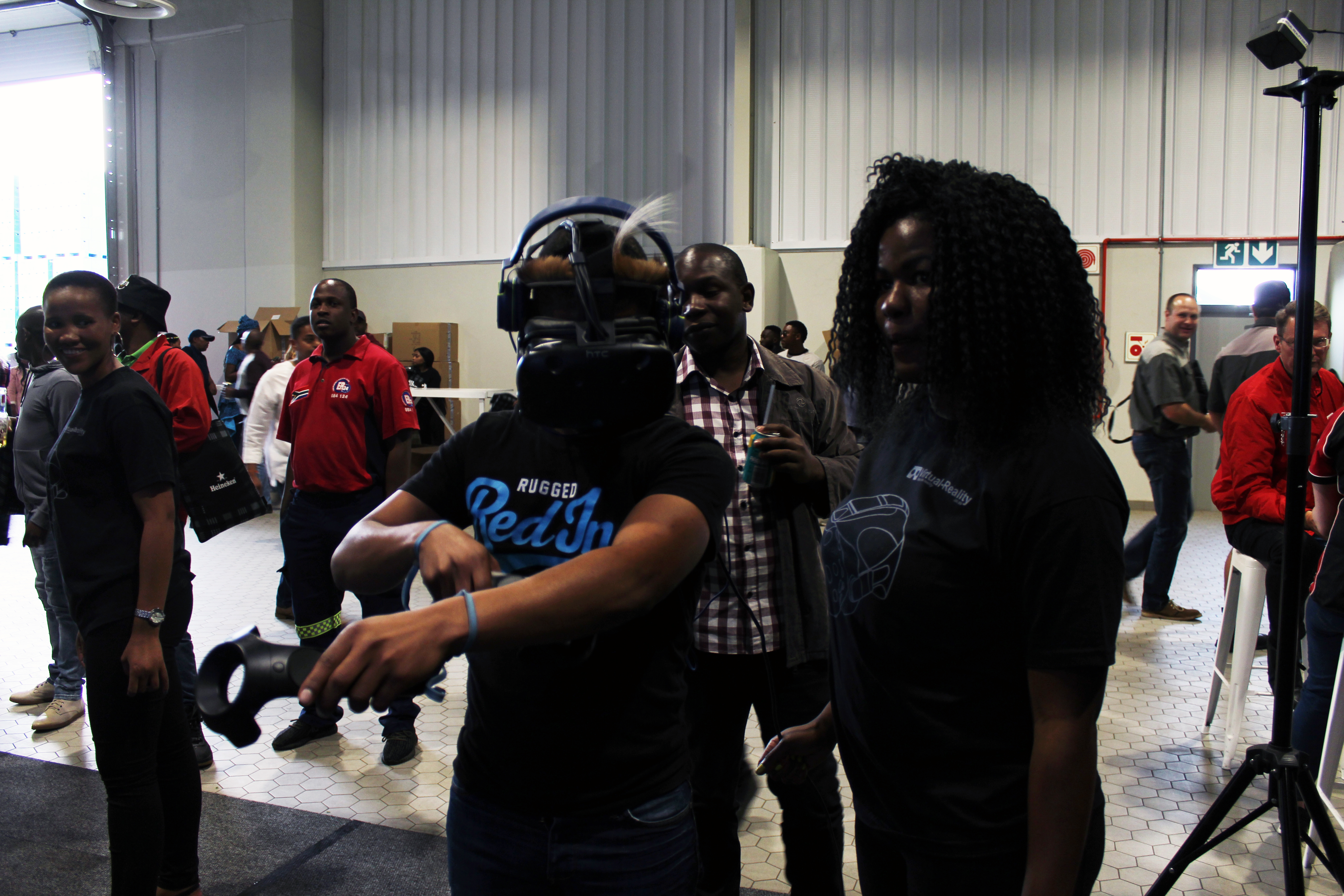
Organizing a Virtual Reality Event
Planning and Logistics
Successful VR events demand meticulous planning, encompassing a range of critical elements to ensure a seamless experience. Selecting the right platform is paramount, as it must support the desired level of interactivity, graphics quality, and user capacity. Coordinating with vendors is equally crucial, from hardware suppliers for high-quality VR headsets to software developers for custom virtual environments. Detailed logistical planning is essential, covering aspects such as user onboarding, technical support, and real-time troubleshooting to address any issues promptly.
Imagine organizing a virtual trade show. The planning process would include creating a detailed blueprint of the virtual environment, deciding on interactive elements like booths and networking spaces, and scheduling live presentations or demos. Ensuring that all participants have access to necessary equipment and providing clear instructions for setup and use is vital. Additionally, setting up a dedicated technical support team to assist attendees can prevent disruptions and maintain a smooth flow of the event.
Regular testing and rehearsals are also part of meticulous planning, allowing organizers to identify and rectify potential issues beforehand. By thoroughly addressing these aspects, organizers can deliver a VR event that not only captivates and engages participants but also runs efficiently and effectively, leaving a lasting positive impression.
Technical Requirements
The technical setup is crucial for the success of VR events, involving several key components to ensure a seamless and immersive experience. Selecting the right VR headsets is essential, as high-quality headsets provide clear visuals and comfort, enhancing user engagement. Ensuring robust internet connectivity is another critical factor, as it guarantees smooth streaming and real-time interactions without lag or disruptions. Reliable internet is particularly important for events with large numbers of participants, where stable connections are necessary to maintain the flow of the event.
Content Creation and Customization
Creating engaging content tailored to the event’s audience is essential for impactful VR activations. Custom VR experiences should align with the event’s goals, ensuring personalized and immersive interactions. This involves understanding the audience's interests and crafting dynamic, interactive content that resonates with them. For example, a VR product launch can feature interactive demos, allowing users to explore features hands-on. Incorporating storytelling, gamification, and real-time feedback enriches the experience, making it more engaging and memorable. By focusing on tailored, goal-oriented VR content, event organizers can enhance engagement, ensuring attendees leave with a meaningful and lasting impression.

Future of Virtual Reality Events in South Africa
Emerging Trends and Innovations
The future of VR events in South Africa looks exceptionally promising, with technological advancements paving the way for more immersive and interactive experiences. Emerging trends such as augmented reality (AR) integration and haptic feedback are set to elevate the VR event landscape. AR integration will blend the physical and virtual worlds, offering a seamless and enriched experience where users can interact with both real and virtual elements. Haptic feedback will add a tactile dimension to VR, allowing users to feel sensations and textures, further enhancing realism and engagement. These innovations will make VR events more captivating, providing attendees with unforgettable, multi-sensory experiences.
Potential Challenges and Solutions
While the potential of VR events is vast, challenges such as high costs and technical barriers still pose significant hurdles. The expense of high-quality VR headsets and the need for robust technical infrastructure can be prohibitive for some organizations. Additionally, the complexity of setting up and managing VR experiences requires specialized knowledge and resources. However, as VR technology continues to evolve and become more mainstream, these challenges are likely to diminish. Advances in technology are driving down costs and making VR equipment more accessible. Simplified setup processes and better user support are also helping to lower technical barriers, allowing more organizations to leverage VR for engaging and immersive events.
The Role of VR in Shaping Future Events
VR is poised to significantly shape the evolution of events, providing innovative ways to engage and captivate audiences. As the technology continues to advance, the possibilities for creating unique and memorable experiences are boundless, heralding a new era for events in South Africa. VR enables event organizers to craft immersive environments where attendees can interact with content in unprecedented ways, from virtual conferences and product launches to immersive training sessions and social gatherings. This technological leap promises to transform how events are conceptualized and experienced, making them more dynamic, accessible, and impactful. The ongoing development of VR technology will undoubtedly unlock even more creative and engaging opportunities, setting a new standard for event experiences in the region.
Author: Gerald Ferreira
Virtual Reality Activations is South Africa's leading immersive event provider, bringing interactive virtual reality experiences, high-end hardware rentals, and custom software builds to corporate activations nationwide.