
Unleashing the Power of Virtual Reality for Activations in South Africa
In the dynamic world of events and marketing, creating memorable and engaging experiences is key. In South Africa, the landscape of activations is...
In the dynamic world of events and marketing, creating memorable and engaging experiences is key. In South Africa, the landscape of activations is being transformed by the innovative use of virtual reality (VR). This cutting-edge technology is redefining how brands connect with their audiences, offering immersive and interactive experiences that captivate and inspire. This article delves into the exciting realm of VR activations, exploring their impact on events across South Africa.
The Essence of Virtual Reality Activations
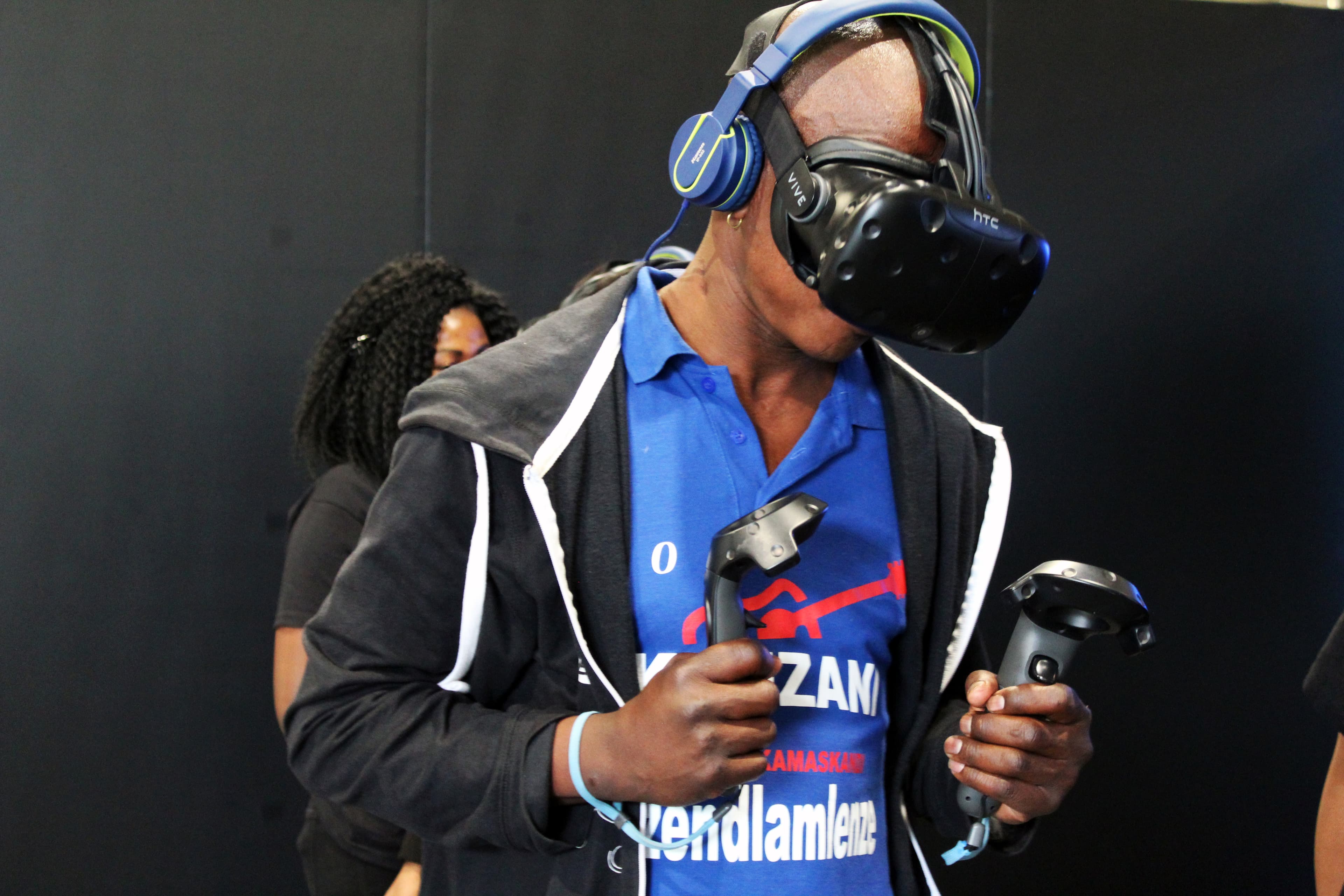
Virtual reality activations revolutionize events by transforming them into extraordinary, immersive experiences that captivate and engage participants using advanced technology. These activations leverage VR to create unique environments where users can interact with products, services, or concepts in unprecedented ways. Imagine stepping into a virtual showroom to test drive the latest car model or exploring an art gallery where paintings come to life, offering insights from the artists themselves. Whether unveiling a new product, hosting a corporate gathering, or showcasing innovations at a public exhibition, VR activations are meticulously designed to leave a lasting impression. They provide an unparalleled opportunity for brands to connect deeply with their audience, breaking down geographical barriers and offering interactive storytelling. This immersive engagement educates, entertains, and inspires, ensuring that the experience remains etched in the minds of participants long after the event concludes.
Why Virtual Reality?
Immersion and Engagement
One of the most remarkable attributes of virtual reality is its capacity to envelop users in a fully immersive digital realm. Unlike conventional media, which is confined to a flat, two-dimensional representation, VR surrounds users with a 360-degree experience, transforming them from mere spectators into active participants. This heightened level of immersion fosters significantly higher engagement, as users navigate and interact within the virtual environment rather than simply consuming content passively.
Imagine standing on the precipice of a virtual mountain, feeling the wind rush past, or walking through an intricately detailed historical site, where every turn offers new discoveries and insights. This dynamic interaction is what sets VR apart, offering an unparalleled sensory experience that captivates and retains the user’s attention in ways traditional media cannot.
Enhanced User Experience
Virtual reality offers a sensory-rich experience that elicits emotions and reactions unattainable through other mediums. Its capability to let users interact with virtual objects, traverse intricate environments, and encounter scenarios in real-time establishes an unmatched sense of presence and realism. Imagine walking through a serene virtual forest, feeling the crunch of leaves underfoot and hearing birds chirp all around, or navigating a bustling cityscape where you can engage with every detail, from street vendors to towering skyscrapers. This immersive engagement not only enhances the emotional connection but also makes the experience profoundly impactful. By engaging multiple senses simultaneously, VR can transport users to places and situations that evoke genuine emotional responses, whether it's the thrill of a virtual roller coaster, the tranquility of a simulated beach, or the tension of a high-stakes game.
Versatility
The applications of virtual reality in activations are astoundingly diverse, offering a versatile tool that can be tailored to a wide range of objectives across numerous industries. From immersive virtual tours of real estate properties, where potential buyers can explore every nook and cranny of a home from miles away, to interactive product demonstrations that allow users to experience a product's features firsthand, VR's potential is limitless. This adaptability makes VR an exceptional medium for crafting impactful activations that resonate deeply with diverse audiences.
Whether it's a fashion brand allowing customers to virtually try on clothes, an automotive company offering a test drive of their latest model in a digital environment, or an educational institution providing students with a virtual field trip to historical landmarks, VR can transform ordinary experiences into extraordinary ones. This level of customization and engagement ensures that VR activations not only capture attention but also leave a lasting impression, making them a powerful asset in the toolkit of marketers, educators, and innovators alike.
Key Applications of VR Activations in South Africa
Product Launches
Virtual reality is transforming product launches by delivering immersive experiences that allow brands to showcase their offerings in innovative and engaging ways. Unlike static displays, VR enables attendees to interact with and explore product features in a fully immersive virtual setting. For instance, automotive brands can harness VR to let potential buyers embark on virtual test drives of new models, providing an authentic feel of the vehicle’s features and performance. This hands-on interaction allows users to experience the acceleration, handling, and interior details as if they were behind the wheel, creating a connection that static images or videos simply cannot replicate. By immersing participants in a lifelike simulation, VR enhances their understanding and appreciation of the product, leading to more informed decisions and stronger emotional connections. This revolutionary approach to product launches not only captivates audiences but also sets a new standard for how products are introduced, making the launch events more memorable and impactful.
Corporate Events
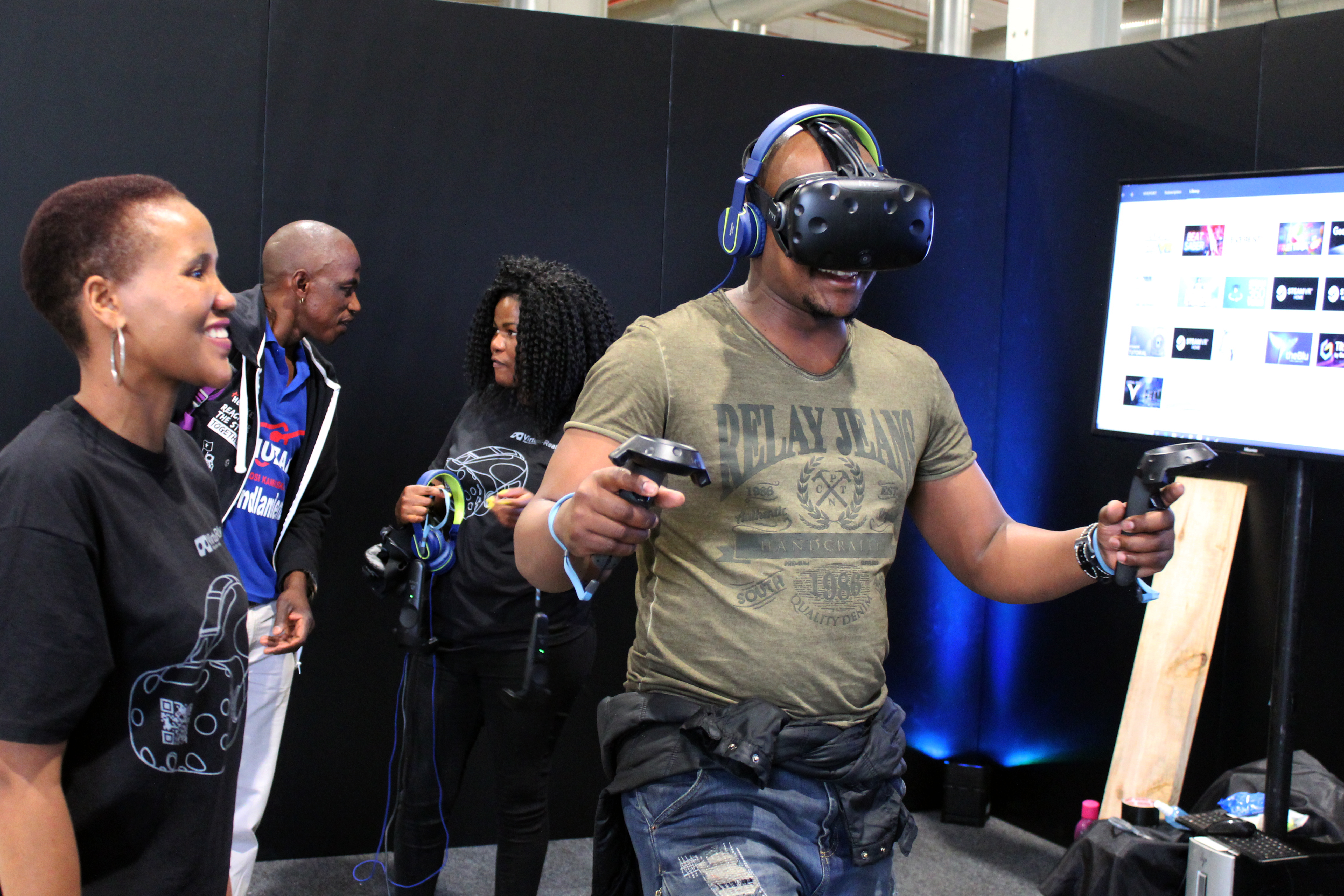
Corporate events like conferences and trade shows are increasingly incorporating virtual reality to boost attendee engagement and create unforgettable experiences. VR activations at these events can feature virtual booths, where visitors can explore products and services in a richly detailed virtual environment. Interactive presentations using VR can transform mundane slideshows into captivating 3D narratives, allowing attendees to dive deep into the content in an engaging and dynamic way.
Imagine a trade show where attendees can step into a virtual factory to see a product's manufacturing process or participate in a simulated emergency response training that prepares them for real-world scenarios. These VR experiences not only attract more visitors but also foster deeper connections and understanding, driving business objectives by leaving a lasting impression. The ability to engage multiple senses and provide interactive content sets VR apart as a powerful tool for enhancing corporate events, making them more effective and memorable.
Public Exhibitions
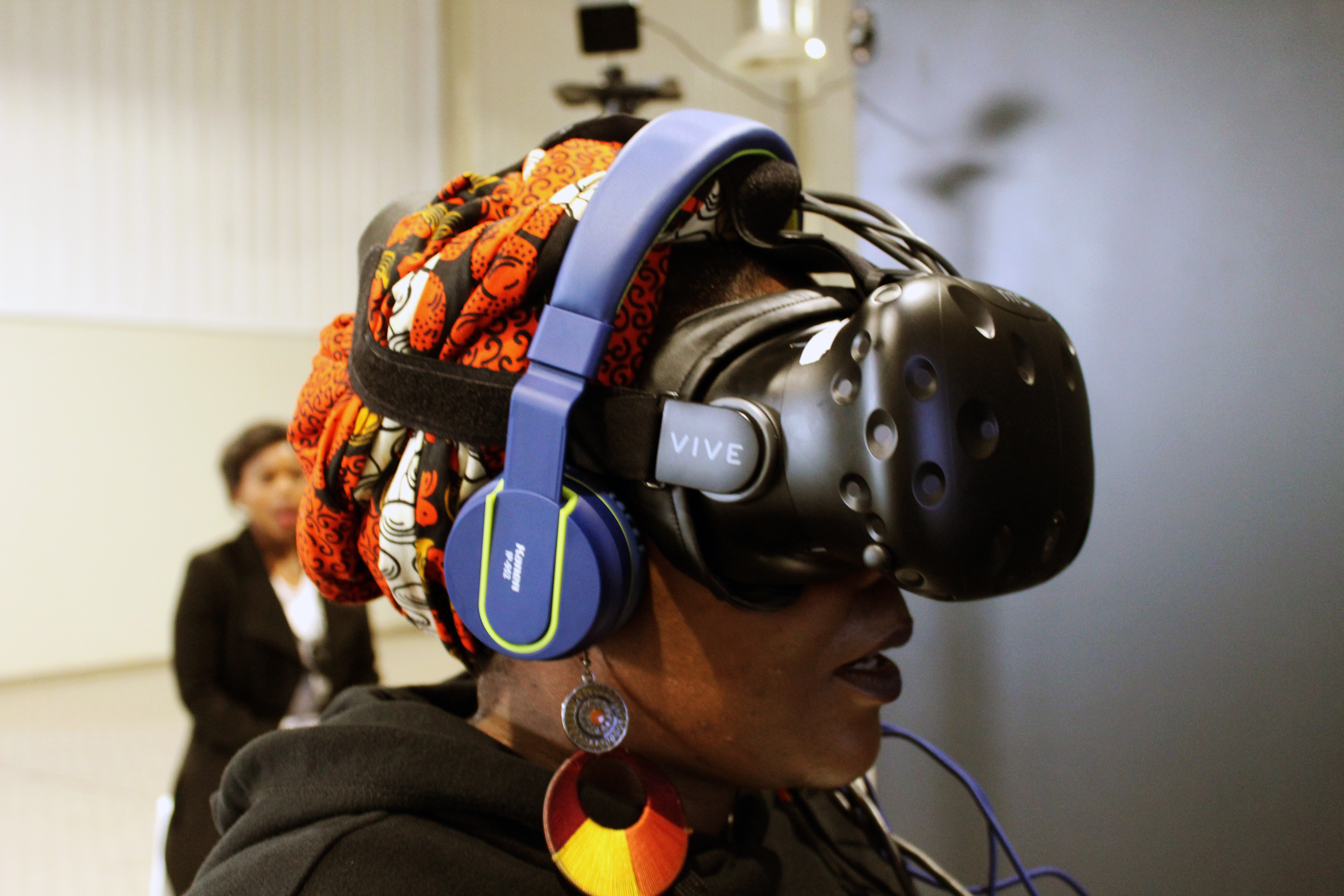
Museums, galleries, and public exhibitions are increasingly embracing virtual reality to provide visitors with unique and engaging experiences that transcend traditional displays. VR technology can breathe life into historical events, create interactive art installations, and deliver educational experiences that captivate audiences of all ages. Imagine stepping into a VR simulation at a museum in South Africa, where you can witness and interact with significant historical moments as if you were truly there. Walk through the halls of ancient civilizations, feel the intensity of pivotal battles, or stand beside historical figures during key moments in history.
Art galleries can use VR to transform static exhibits into dynamic, interactive installations where visitors can explore artworks in immersive 3D, gaining deeper insights into the artist's process and vision. Educational institutions can offer VR experiences that make learning fun and interactive, from virtual science labs to immersive geography lessons. By offering these rich, sensory experiences, VR not only enhances visitor engagement but also provides a deeper, more memorable understanding of the content, making each visit an adventure of discovery and learning.
Successful VR Activations in South Africa
Virtual Tours
Real estate companies in South Africa are revolutionizing the property market by utilizing virtual reality to offer immersive virtual tours of homes and commercial spaces. This technology enables potential buyers to explore properties from the comfort of their own homes, providing a realistic and detailed experience that traditional photographs and videos cannot match. By simulating the experience of walking through a property, VR tours allow buyers to examine every nook and cranny, visualize the layout, and get a true sense of the space and ambiance. This not only enhances the decision-making process by providing a comprehensive view of the property but also significantly reduces the need for multiple physical visits, saving time and resources for both buyers and real estate agents. Imagine virtually touring a beachfront villa, exploring its rooms, and experiencing its panoramic views without leaving your living room. This immersive approach ensures that buyers can make well-informed decisions with confidence, leading to more efficient transactions and higher satisfaction. In a competitive market, VR tours offer a distinctive edge, attracting tech-savvy buyers and setting a new standard for property viewing.
Interactive Brand Experiences
Retail brands are pioneering interactive virtual reality experiences to captivate customers and showcase their products in novel ways. These innovative activations include virtual fitting rooms, allowing customers to try on clothes and see how they look in different outfits without ever stepping into a physical changing room. Imagine the convenience and delight of shopping for a new wardrobe from home, effortlessly switching between styles and sizes with a few simple gestures.
These immersive experiences do more than merely draw attention; they significantly enhance the overall shopping journey by making it more personalized, engaging, and convenient. Picture a virtual store where you can navigate aisles, pick up and examine products, and even get real-time recommendations based on your preferences. This seamless blend of technology and retail not only makes shopping more enjoyable and efficient but also fosters a stronger connection with the brand. By offering these advanced VR experiences, retail brands can differentiate themselves in a crowded market, drive higher sales, and build lasting customer loyalty.
Educational Workshops
Educational institutions and organizations are harnessing virtual reality to transform workshops and training sessions, providing an immersive, hands-on learning experience that accurately simulates real-world scenarios. This innovative approach is particularly beneficial for technical and vocational training, where students can practice and refine their skills in a safe and controlled environment. For example, medical students can perform virtual surgeries, gaining confidence and expertise before ever operating on a real patient, while aspiring electricians can navigate virtual wiring systems to troubleshoot and resolve issues without the risks associated with live practice. VR allows learners to engage in complex tasks, repeat procedures as needed, and explore intricate details that traditional training methods may not effectively convey. This dynamic and interactive approach enhances comprehension and retention, ensuring students are well-prepared for real-life challenges. By integrating VR into their programs, educational institutions can offer a more engaging, effective, and safer learning experience, setting a new standard for professional training.
Benefits of VR Activations
Increased Engagement
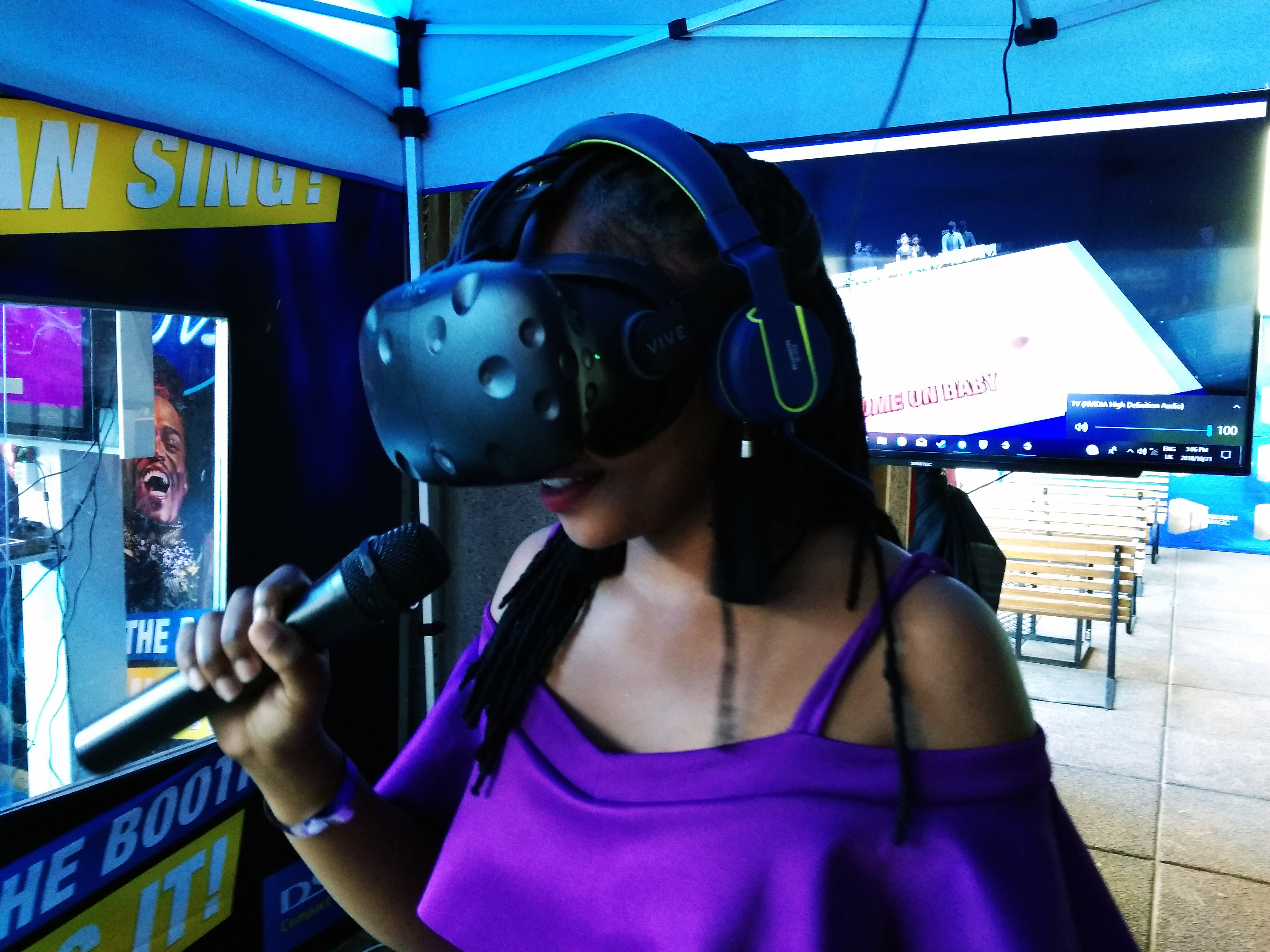
VR activations captivate attention and sustain engagement by offering a novel and interactive experience that stands out from traditional methods. By immersing participants in a virtual environment where they can actively interact with the content, these activations lead to significantly higher levels of participation. Whether it's navigating a virtual showroom, experiencing a product demonstration, or exploring a branded virtual world, the immersive nature of VR ensures that users are not just passive observers but active participants. This deep engagement fosters a stronger, more memorable connection with the brand or event, enhancing the overall impact and leaving a lasting impression. Imagine attending a virtual event where you can move freely, interact with exhibits, and even network with other attendees, all within a meticulously crafted virtual space. This level of immersion and interactivity not only captures attention but also keeps participants engaged for longer periods, driving home the message and objectives of the activation. VR activations thus serve as a powerful tool for brands and events to connect with their audience in a meaningful and impactful way.
Memorable Experiences
The immersive nature of virtual reality crafts unforgettable experiences that leave a profound and lasting impression on attendees. By enveloping users in fully interactive and sensory-rich environments, VR activations elevate engagement to a new level, ensuring that participants remember the experience long after it ends. This deep-seated memory boost significantly enhances brand recall, as the vivid and interactive encounters are etched into the participants' minds more effectively than traditional marketing methods.
Imagine exploring a virtual rainforest, feeling the humidity, hearing the wildlife, and interacting with flora and fauna, all while being subtly introduced to a brand’s environmental initiatives. Such memorable experiences not only cement the brand in the minds of attendees but also drive positive word-of-mouth marketing. When participants share their extraordinary VR experiences with friends and family, it amplifies the brand's reach and reputation organically. Consequently, VR activations become a powerful tool for creating lasting brand impressions and fostering organic marketing through enthusiastic, firsthand testimonials.
Data Collection
VR activations offer an exceptional opportunity to gather valuable insights into user behavior and preferences. By meticulously tracking interactions and collecting detailed data, brands can gain a profound understanding of how their audience engages with the content. This data collection allows for the analysis of user movements, choices, and engagement levels, providing a comprehensive picture of what resonates most with participants. Imagine a virtual store where every click, glance, and interaction is recorded, revealing which products attract the most attention and how users navigate the space. These insights enable brands to fine-tune their strategies, tailoring future activations to better meet the preferences and expectations of their audience. Additionally, the data can highlight areas for improvement, helping to optimize the user experience and enhance overall engagement. By leveraging the analytical power of VR, brands can create more personalized, effective, and impactful activations that not only captivate their audience but also drive strategic decision-making and marketing efforts.
Cost-Effective
While the initial investment in VR technology may be substantial, the long-term benefits and cost savings are considerable. VR activations can significantly reduce the need for expensive physical setups and extensive travel, presenting a cost-effective solution for large-scale events. Imagine a global conference where attendees from all over the world can participate virtually, eliminating the costs associated with venue rentals, logistics, and accommodation. Furthermore, VR environments can be reused and modified for different events, maximizing the return on investment. The immersive nature of VR ensures that the experience remains engaging and impactful, often surpassing the effectiveness of traditional setups.
By transitioning to VR activations, organizations can allocate resources more effectively, focusing on enhancing the content and interactivity of their events rather than the logistical complexities. This strategic shift not only leads to substantial cost savings but also positions organizations at the forefront of innovation, demonstrating a commitment to leveraging cutting-edge technology to improve engagement and efficiency.
Challenges and Considerations
Technical Requirements
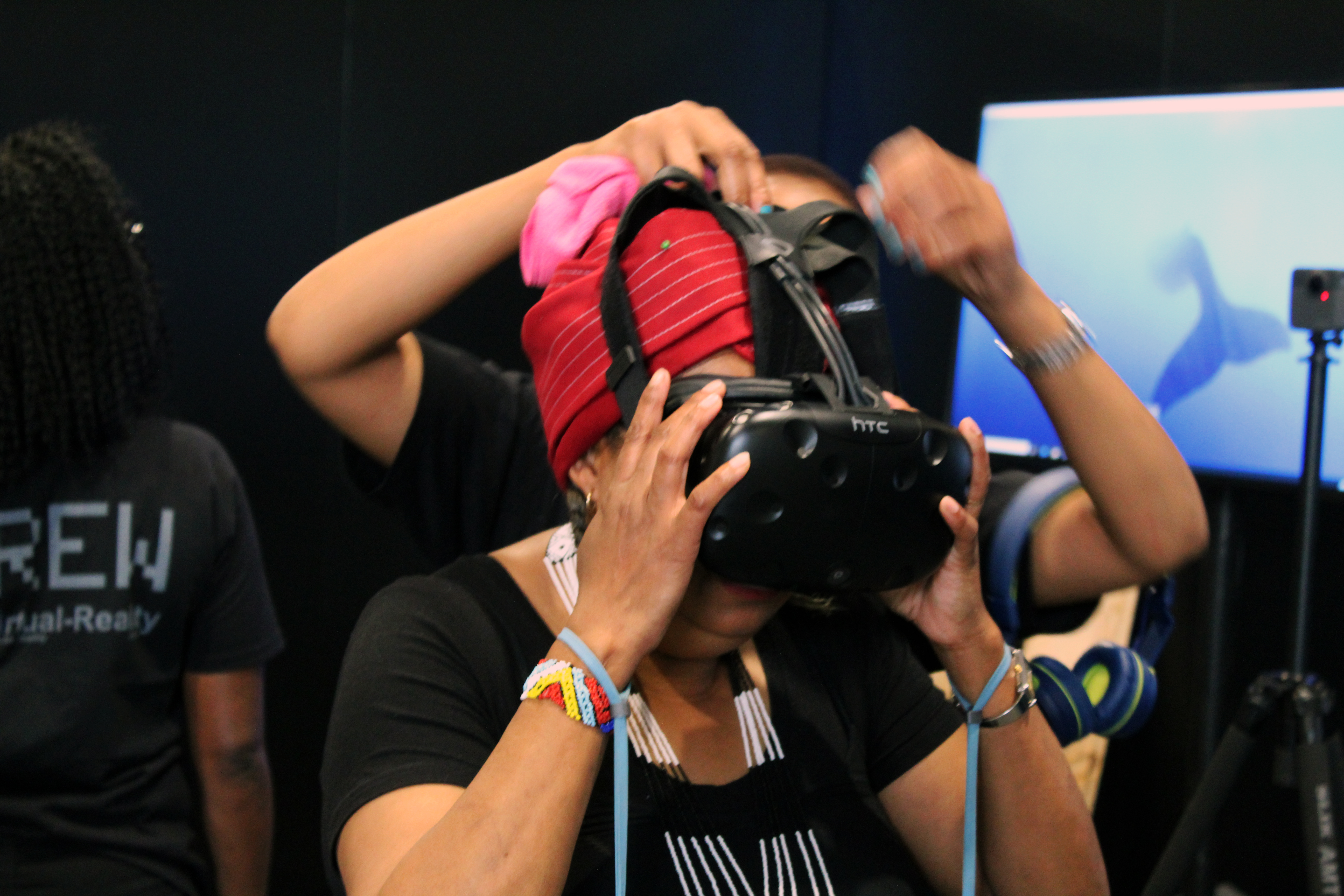
Implementing VR activations requires a robust technical setup, including high-quality VR headsets, powerful computers, and reliable software, all seamlessly integrated for a smooth experience. High-quality VR headsets provide clear visuals and comfort, while powerful computers handle intensive processing to render lifelike environments. Reliable software ensures intuitive and responsive interactions, maintaining user engagement without lag or disruptions. Imagine a virtual trade show where attendees interact with various exhibits simultaneously—this requires flawless coordination between hardware and software to avoid technical issues. Technical support is also essential to address any problems swiftly, preserving the event's integrity. Meticulous planning and execution of these technical aspects ensure that VR activations run smoothly, delivering an immersive and memorable experience that reflects the brand’s commitment to quality and innovation. In the evolving landscape of VR, a solid technical foundation is crucial for maximizing the potential of virtual activations.
User Experience
Creating a user-friendly experience is paramount for the success of VR activations. This involves providing intuitive navigation, clear instructions, and comfortable VR equipment. Users should be able to effortlessly navigate the virtual environment, with controls that are easy to understand and use. Clear, concise instructions guide users through the experience, ensuring they can fully engage with the content without confusion. Comfortable VR equipment is also crucial; headsets should be lightweight and adjustable to accommodate different users, minimizing discomfort during extended use. When these elements are seamlessly integrated, they create a positive and immersive experience that captivates users, enhancing both engagement and satisfaction. A well-designed user experience not only keeps participants engrossed but also leaves a lasting impression, encouraging repeat interactions and fostering a deeper connection with the brand or event. This focus on user-friendliness is essential in leveraging the full potential of VR activations to create memorable and impactful experiences.
Accessibility
While VR offers incredible experiences, considering accessibility is crucial to ensure inclusivity. Ensuring that VR activations are accessible to people with disabilities and those unfamiliar with the technology is essential for creating a universally engaging experience. This involves designing VR environments that can be navigated by individuals with mobility impairments, incorporating features such as adjustable controls and seated experiences. For those with visual or auditory impairments, providing alternative sensory feedback, like haptic responses and subtitles, can make the experience more inclusive.
Additionally, offering comprehensive tutorials and intuitive interfaces helps those new to VR feel comfortable and confident. By prioritizing accessibility, brands can ensure that everyone, regardless of ability or familiarity with technology, can fully participate and enjoy the immersive experiences that VR activations offer. This commitment to inclusivity not only broadens the audience but also reflects a brand’s dedication to social responsibility and innovation.
Content Quality
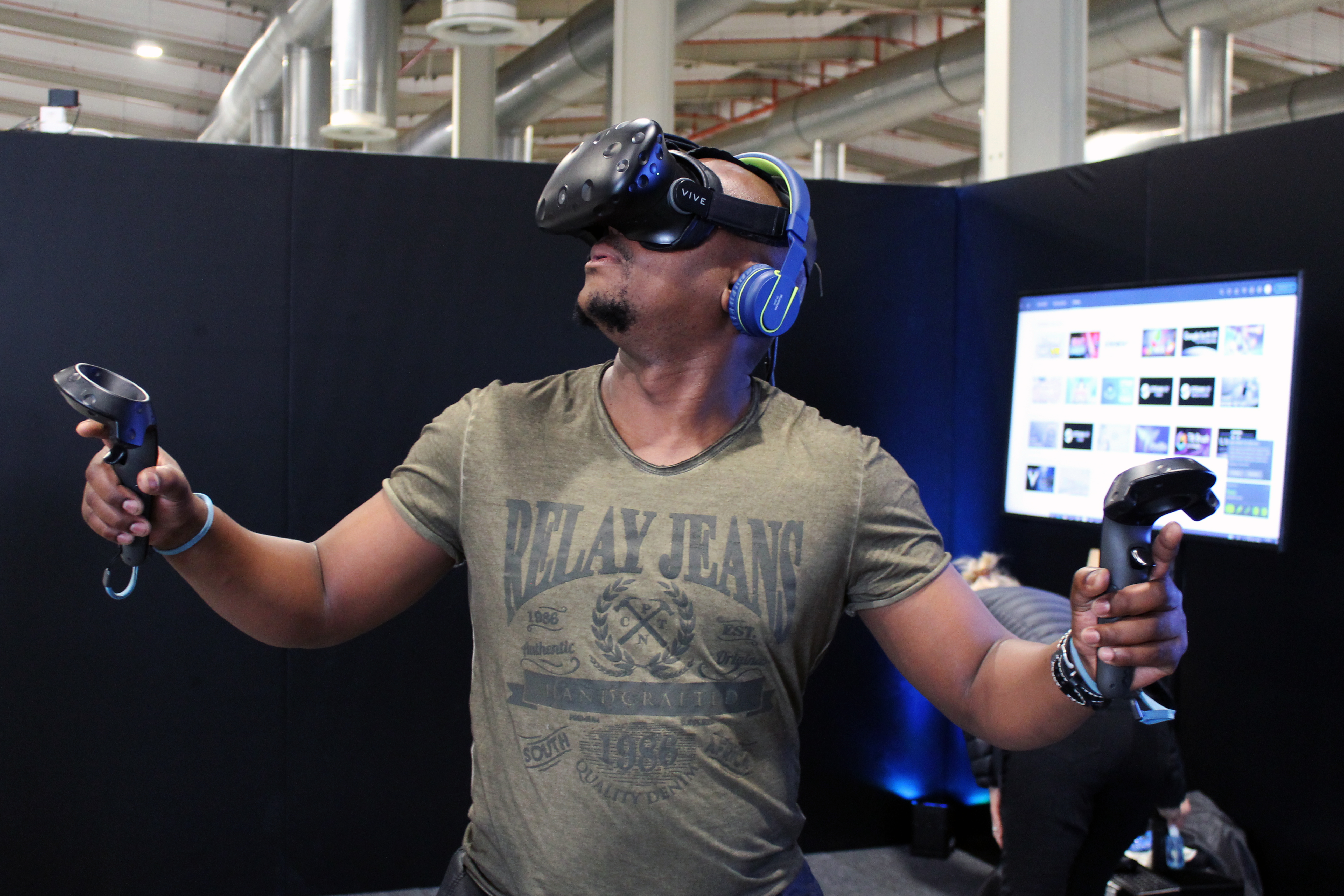
The quality of VR content is pivotal to the success of activations, with high-quality graphics, realistic animations, and well-designed interactions being essential elements. These components work together to create a truly immersive and engaging experience for users. High-quality graphics ensure that the virtual environment is visually appealing and detailed, making it feel more lifelike. Realistic animations enhance this effect, providing smooth and natural movements that deepen the sense of immersion. Well-designed interactions are crucial, as they allow users to engage with the virtual world intuitively and meaningfully. Imagine exploring a virtual city with breathtaking visuals, lifelike movements, and seamless interactions that make you feel as if you are truly there. These elements not only captivate users but also maintain their engagement, leading to a more memorable and impactful experience. Ensuring top-notch content quality is essential for VR activations to resonate with audiences and achieve their intended goals.
The Future of VR Activations in South Africa
The future of VR activations in South Africa is promising, fueled by continuous technological advancements and increasing adoption across various industries. As VR technology becomes more accessible and affordable, it opens the door to a myriad of innovative and impactful activations. Imagine virtual reality experiences becoming a staple in sectors like education, tourism, real estate, and entertainment, each leveraging the immersive power of VR to engage and captivate audiences.
Educational institutions could offer virtual field trips to historical sites, while real estate agents provide immersive property tours to potential buyers. In tourism, VR can simulate travel experiences, enticing visitors with previews of destinations. Entertainment industries might develop more sophisticated virtual concerts and events. The ongoing evolution of VR technology will likely lead to more sophisticated, user-friendly, and cost-effective solutions, making it a vital tool for businesses and organizations aiming to enhance their engagement strategies and deliver memorable experiences.
Integration with Other Technologies
The integration of VR with other emerging technologies, such as augmented reality (AR), artificial intelligence (AI), and the Internet of Things (IoT), promises to unlock new possibilities for activations. Combining VR with AR can blend the virtual and real worlds, creating hybrid experiences where digital objects interact with the physical environment. Imagine a virtual showroom where you can place virtual furniture in your actual living room using AR, then explore it in detail with VR. AI can enhance these experiences by personalizing interactions based on user preferences and behaviors, making each activation uniquely engaging.
For example, an AI-driven VR tour could adapt its narrative based on user interests, providing a tailored experience. IoT can further enrich VR activations by connecting virtual experiences to real-world data, such as smart home devices that adjust lighting and temperature in sync with the VR environment, enhancing the sense of immersion. Together, these technologies can create seamless, interactive, and highly personalized experiences that captivate users and push the boundaries of what’s possible in VR activations.
Expanding Applications
The applications of VR in activations are set to expand well beyond traditional sectors, as industries such as healthcare, education, and entertainment explore its potential to enhance their offerings and engage audiences in innovative ways. In healthcare, VR is being utilized for immersive training simulations, allowing medical professionals to practice procedures in a risk-free environment and improving patient care through virtual therapy sessions. In education, VR is revolutionizing the learning experience by enabling virtual field trips, interactive science experiments, and immersive history lessons that make complex subjects more accessible and engaging.
The entertainment industry is pushing the boundaries of audience engagement with VR concerts, virtual theme park rides, and immersive storytelling experiences that transport users to fantastical worlds. As these industries continue to adopt VR, the technology will play a pivotal role in creating more engaging, interactive, and impactful experiences, driving innovation and setting new standards for audience engagement across diverse fields.
Personalization
Personalization will play a key role in the future of VR activations. By leveraging data and AI, brands can create personalized VR experiences that cater to individual preferences and needs. This level of customization will enhance engagement and drive better results.
Virtual reality is revolutionizing the landscape of activations and events in South Africa. Its ability to create immersive, engaging, and memorable experiences makes it a powerful tool for brands and organizations. As the technology continues to evolve, the possibilities for VR activations are limitless. By embracing VR, businesses can stay ahead of the curve, captivate their audiences, and create experiences that leave a lasting impact.
Author: Gerald Ferreira
Virtual Reality Activations is South Africa's leading immersive event provider, bringing interactive virtual reality experiences, high-end hardware rentals, and custom software builds to corporate activations nationwide.