
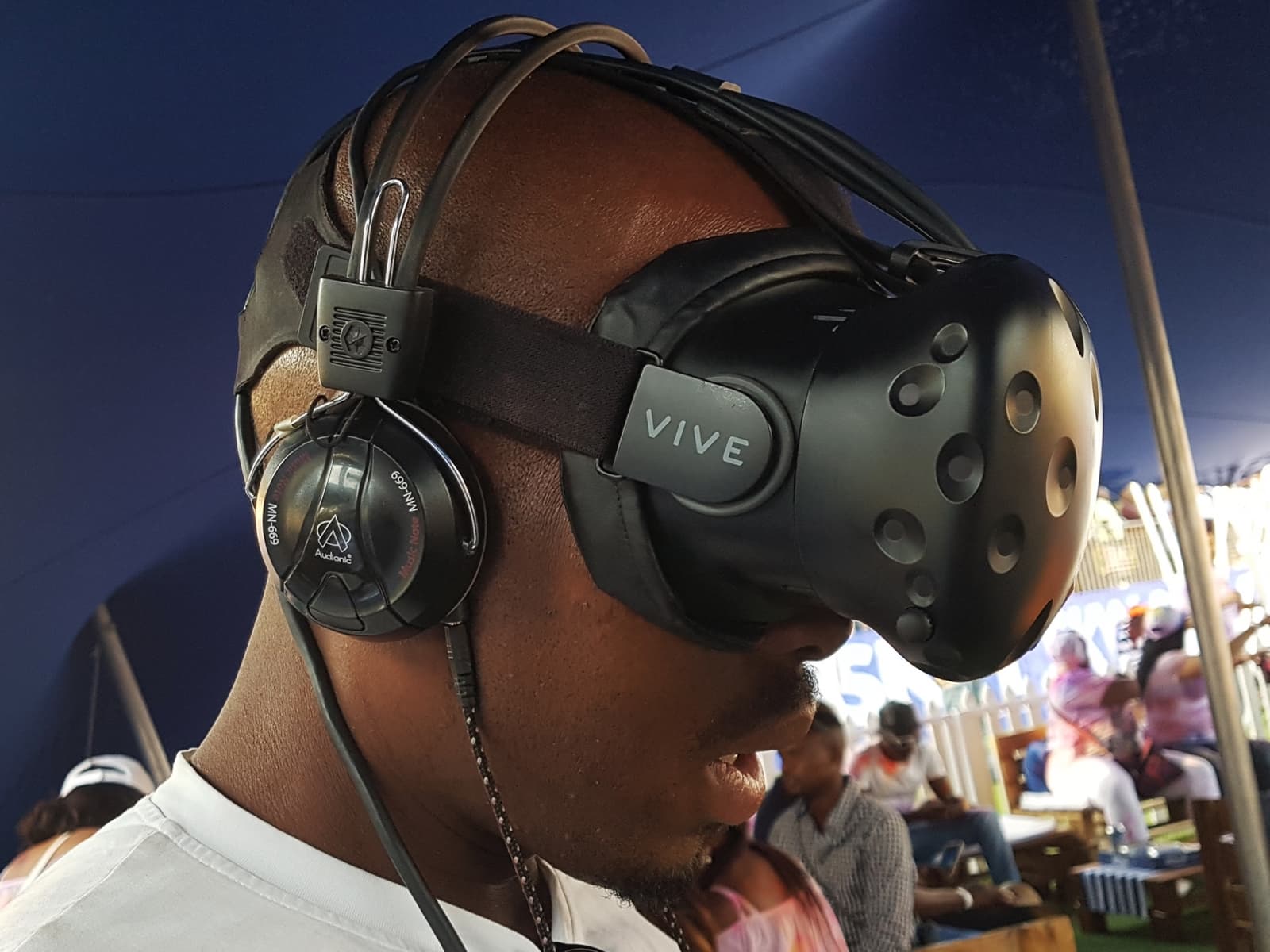
Boost Engagement with Interactive VR Activations
The Rise of VR Activations in Modern Marketing In the ever-evolving landscape of marketing, Virtual Reality (VR) has emerged as a transformative...
The Rise of VR Activations in Modern Marketing
In the ever-evolving landscape of marketing, Virtual Reality (VR) has emerged as a transformative force, redefining how brands engage with their audiences. VR activations are no longer a novelty but a powerful tool that brands use to create immersive experiences that captivate and resonate with consumers on a deeper level. Traditional marketing methods, once reliant on static visuals and one-way communication, are being overshadowed by the dynamic, multi-sensory experiences that VR offers. These activations allow brands to craft narratives that users can explore and interact with, creating a sense of presence and connection that is unparalleled. As VR technology continues to advance, its role in marketing strategies is becoming increasingly integral, driving higher engagement rates and fostering stronger brand loyalty.
Why Interactivity Matters in VR Activations
Interactivity is at the heart of what makes VR activations so compelling. Unlike traditional media, which is often passive and unidirectional, VR engages users in a participatory experience that encourages exploration and discovery. This level of interaction not only enhances engagement but also makes the experience more memorable. When users are actively involved in an experience—whether through manipulating objects, making decisions, or navigating through virtual spaces—they form a more personal connection with the content. This emotional engagement translates into a stronger affinity for the brand, as consumers are more likely to remember and appreciate experiences that they helped shape. The ability of VR to foster these interactive, memorable moments is what sets it apart from other marketing mediums, making it a powerful tool for brands looking to stand out in a crowded market.
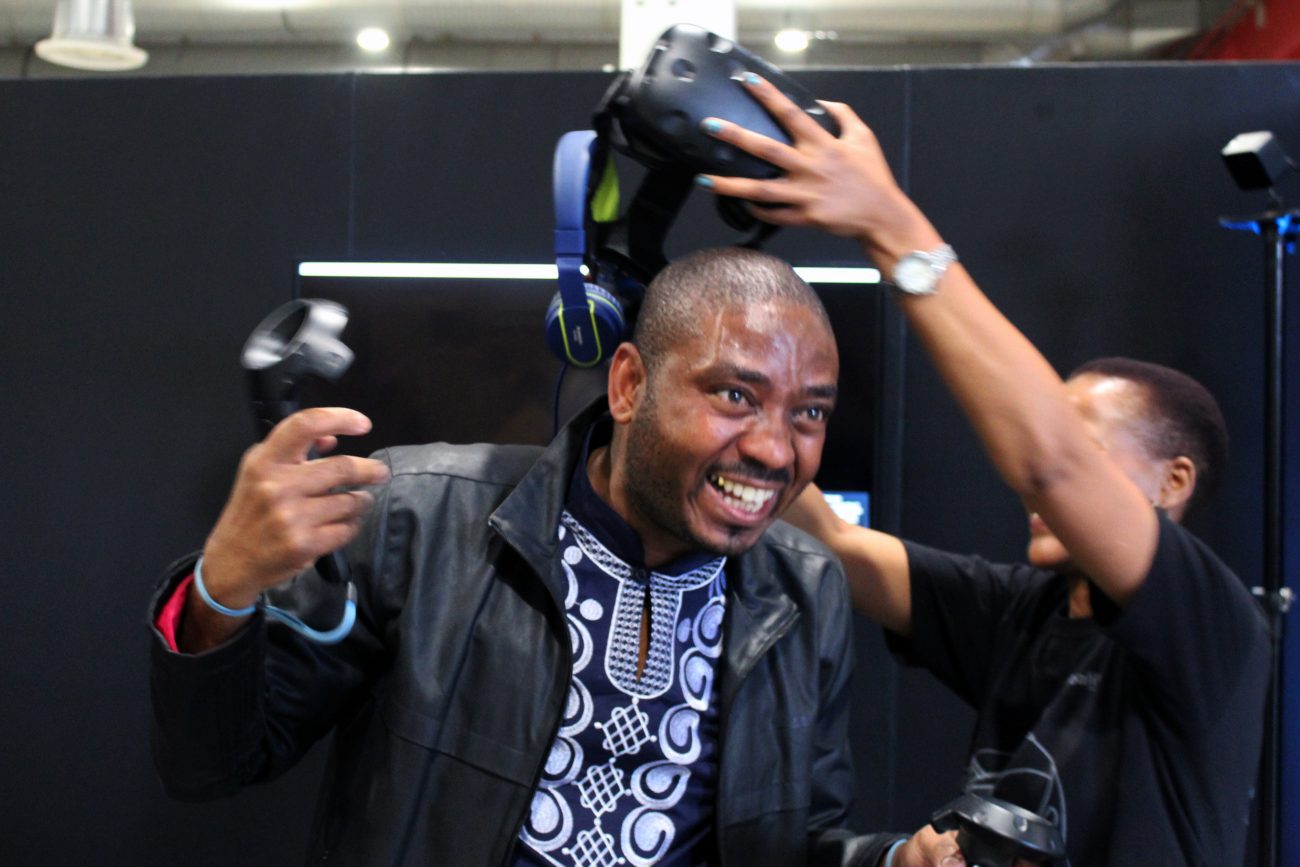
The Mechanics of Interactive VR Activations
Designing Immersive VR Environments
Creating an immersive VR environment is both an art and a science. It requires a careful balance of visual storytelling, intuitive navigation, and engaging content. At the core of an effective VR experience is a compelling narrative that guides users through the virtual world, encouraging them to explore and interact. Visual design plays a crucial role in this process, as it sets the tone and atmosphere of the experience. Whether it’s a realistic simulation or a fantastical world, the environment must be crafted with attention to detail, ensuring that every element contributes to the overall narrative. Additionally, the navigation must be intuitive, allowing users to move through the space seamlessly without feeling disoriented or overwhelmed. When done correctly, these elements work together to create an immersive experience that fully engages the user and leaves a lasting impression.
Incorporating Hands-On Interactivity
The success of a VR activation often hinges on the level of interactivity it offers. Hands-on features such as object manipulation, gesture controls, and real-time decision-making can significantly enhance the user experience, making it more engaging and personalized. For example, allowing users to manipulate virtual objects—such as trying on a product in a virtual dressing room or assembling a machine in a simulated workshop—can provide a more tangible connection to the brand. Gesture controls add another layer of immersion, enabling users to interact with the environment in a natural, intuitive way. Real-time decision-making, where users’ choices affect the outcome of the experience, adds a sense of agency and investment in the narrative. These interactive elements are crucial in creating a VR experience that feels personal and impactful, driving deeper engagement and stronger emotional connections with the brand.
Case Studies: Successful Interactive VR Activations
Brand Showcases with Immersive VR
Several brands have successfully harnessed the power of VR to create immersive experiences that significantly boost engagement. For instance, automotive companies have used VR to offer virtual test drives, allowing potential customers to experience a vehicle’s features and performance in a controlled, yet immersive environment. Similarly, fashion brands have employed VR to host virtual runway shows, where users can explore new collections in a 360-degree environment. These activations are not just about showcasing products—they are about creating an emotional connection with the audience by offering them a unique, memorable experience. The success of these activations lies in their ability to engage users in a way that feels personal and interactive, turning passive viewers into active participants.
Event and Trade Show Activations
VR has also become a popular tool for brands at events and trade shows, where the competition for attention is fierce. Interactive VR activations stand out in these crowded environments, drawing attendees with the promise of an immersive, hands-on experience. For example, technology companies have used VR to give attendees a virtual tour of their latest innovations, allowing them to explore products in a way that would be impossible in the real world. These activations not only attract foot traffic but also create a more engaging experience that attendees are likely to remember long after the event is over. The ability to create such impactful experiences is why VR is becoming an essential component of event marketing strategies.
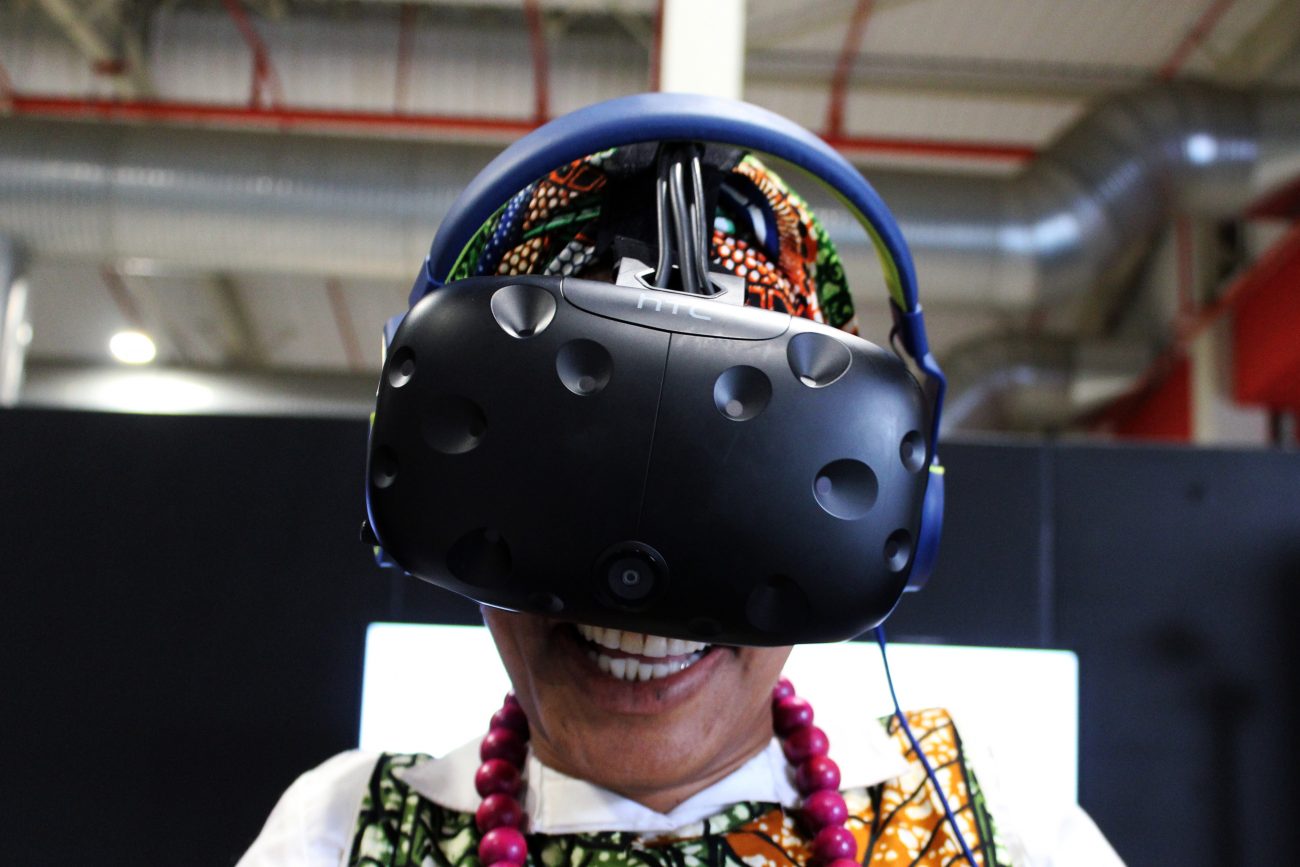
Measuring the Impact of Interactive VR Activations
Key Metrics to Track Engagement
To gauge the success of a VR activation, it’s essential to track key metrics that reflect user engagement and overall impact. Metrics such as user engagement time, interaction frequency, and post-experience feedback provide valuable insights into how users are interacting with the VR experience. For example, longer engagement times may indicate that users found the experience compelling, while high interaction frequency suggests that the interactive elements were successful in keeping users engaged. Additionally, gathering post-experience feedback through surveys or interviews can offer qualitative insights into what aspects of the activation resonated with users and where improvements might be needed. Tracking these metrics is crucial for understanding the effectiveness of a VR activation and making data-driven decisions for future iterations.
Feedback Loops and Continuous Improvement
Continuous improvement is key to maintaining the relevance and effectiveness of VR activations. User feedback plays a crucial role in this process, providing insights that can be used to refine and enhance the experience. By creating feedback loops—where user input is collected, analyzed, and used to inform future updates—brands can ensure that their VR activations evolve to meet the changing needs and expectations of their audience. This iterative approach not only improves the user experience but also helps to build a stronger connection with the brand, as users feel that their feedback is valued and acted upon. In a rapidly changing technological landscape, the ability to adapt and improve is essential for the long-term success of VR activations.
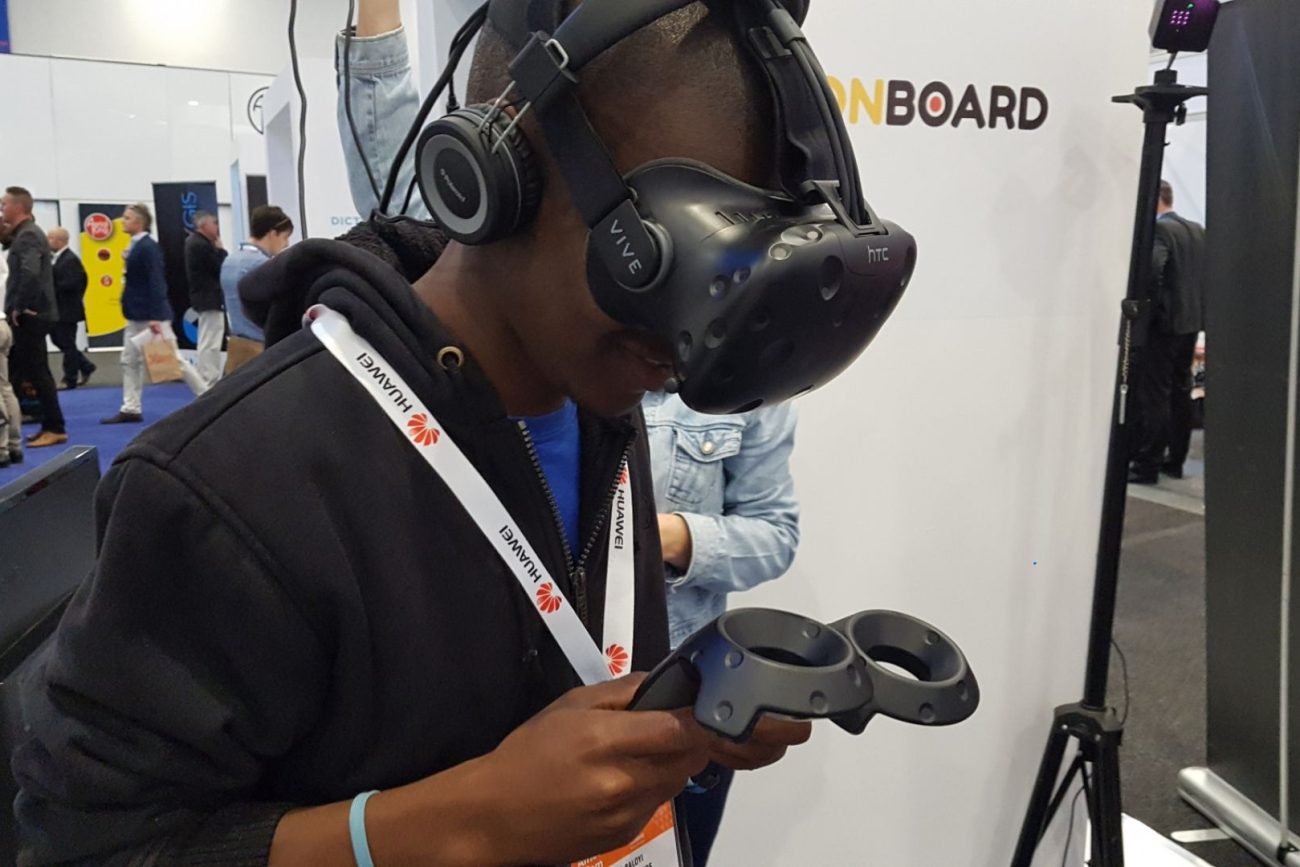
The Future of Interactive VR in Marketing
Emerging Trends in VR Technology
The future of VR in marketing is poised to be even more exciting as new technologies emerge and existing ones evolve. Advancements in haptic feedback, for example, are making it possible for users to feel sensations such as texture and resistance, adding a new layer of immersion to VR experiences. AI integration is another emerging trend, where virtual environments can adapt in real-time to users’ actions, creating a more personalized and dynamic experience. The convergence of AR and VR is also opening up new possibilities, allowing brands to create hybrid experiences that blend the virtual and physical worlds. These innovations are set to make VR activations even more engaging and effective, offering brands new ways to connect with their audiences.
Long-Term Benefits of VR Activations for Brands
The long-term benefits of investing in VR activations are significant. By creating immersive, interactive experiences, brands can build stronger emotional connections with their audience, leading to increased brand loyalty and customer engagement. Moreover, as VR technology continues to advance, these activations will become even more effective, offering brands a powerful tool for differentiating themselves in a competitive market. The ability to create personalized, memorable experiences is invaluable in today’s marketing landscape, where consumers are increasingly looking for meaningful interactions with the brands they choose to support. By embracing VR as a core component of their marketing strategy, brands can position themselves at the forefront of innovation, creating lasting impressions that resonate with consumers long after the experience is over.
Author: Gerald Ferreira
Virtual Reality Activations is South Africa's leading immersive event provider, bringing interactive virtual reality experiences, high-end hardware rentals, and custom software builds to corporate activations nationwide.