
Virtual Reality Decoded
What isVirtual Reality?
An in-depth exploration of near-reality emulation, spatial tracking systems, and the physiology behind immersive digital environments.
DEFINING_THE_SPATIAL
Senses &Human Perception
The definition of virtual reality comes, naturally, from the definitions for both 'virtual' and 'reality'. The definition of 'virtual' is near and reality is what we experience as human beings. So the term 'virtual reality' basically means 'near-reality'. This refers to a specific type of reality emulation.
We know the world through our senses and perception systems. In school we all learned that we have five senses: taste, touch, smell, sight and hearing. The truth is that humans have many more senses than this, such as a sense of balance. These sensory inputs, plus some special processing of sensory information by our brains ensures that we have a rich flow of information from the environment to our minds. If you can present your senses with made-up information, your perception of reality changes in response, creating virtual presence.
How VR is Achieved
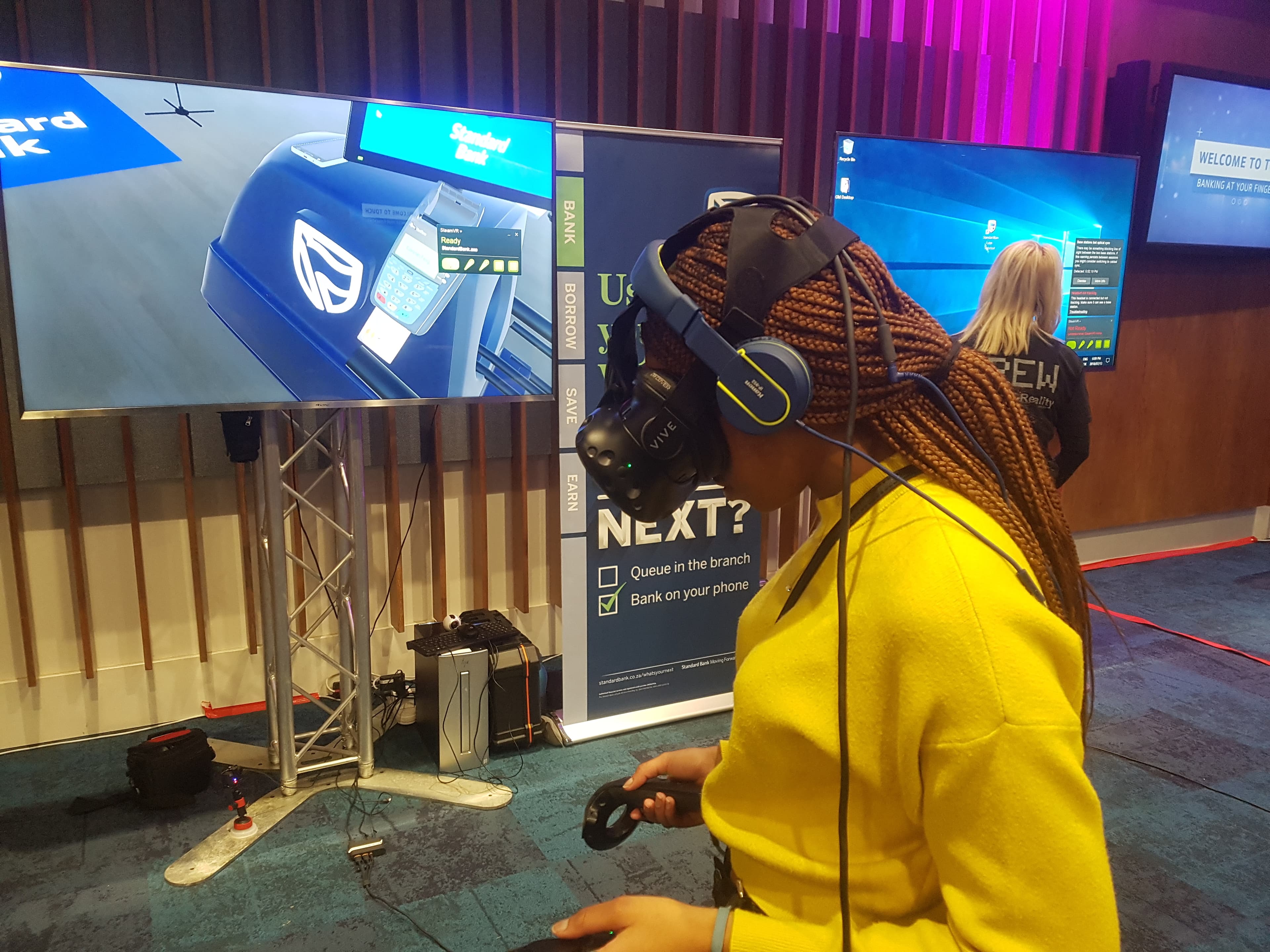
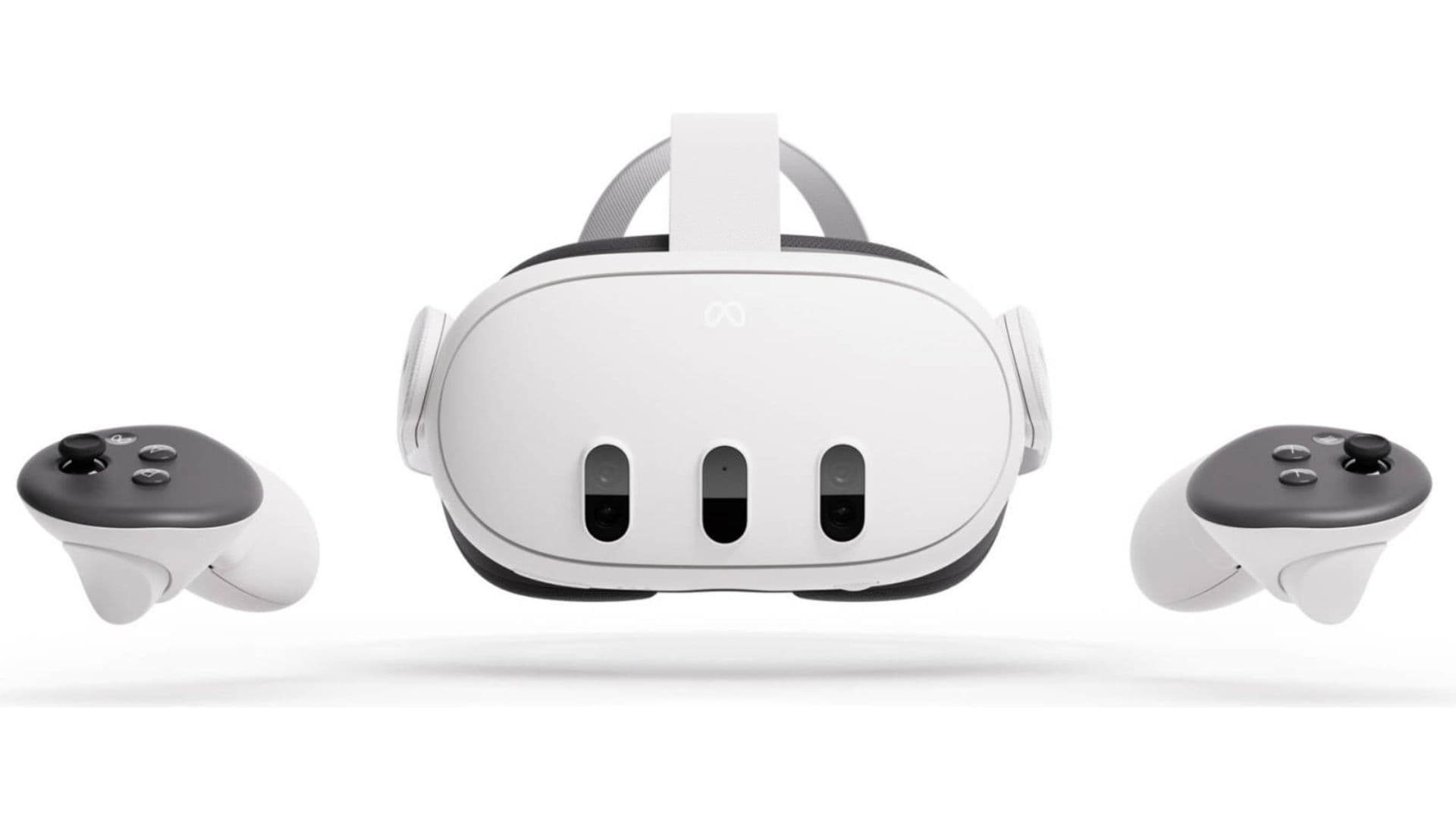
Today, virtual reality is implemented using advanced computer technology. There are a range of systems used for this purpose, such as headsets, omni-directional treadmills, and special tracking gloves. These are used to stimulate our senses together to create the illusion of reality.
This is difficult because our senses and brains evolved to provide us with a finely synchronized experience. If anything is off, we immediately feel it. This is why latency and refresh rates are critical. When what your eyes see and what the vestibular system in your ears feels are in conflict, it causes motion sickness. Getting the combination of hardware, software, and sensory synchronicity just right is what creates a true sense of presence.
System Characteristics
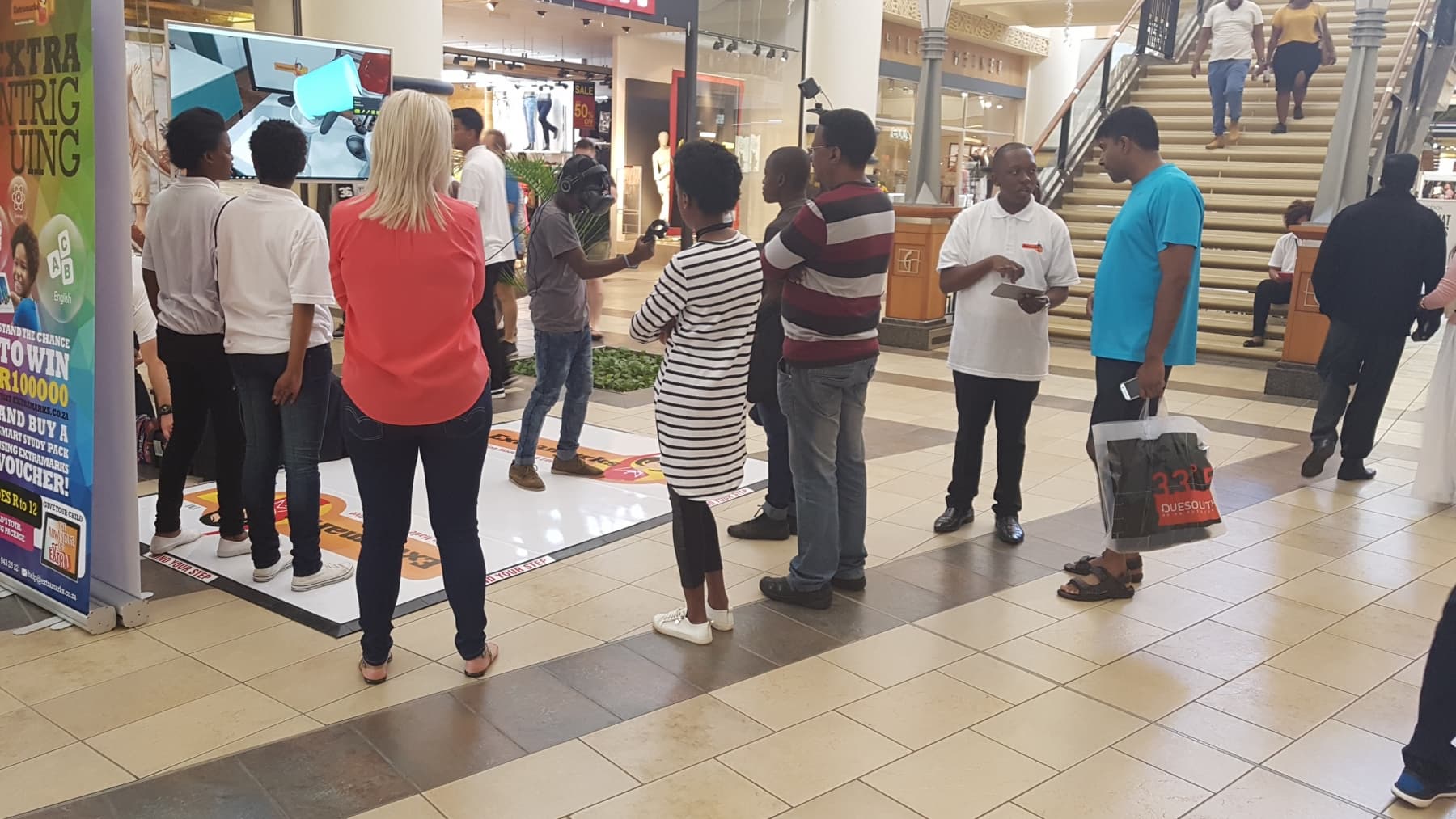
There are many different types of virtual reality systems, but they all share the same characteristics: the ability to display three-dimensional, life-sized images that shift organically with the user's physical movement.
The goal is a seamless, zero-latency connection between the user's head and eye movements and the system response. When there is a lag, it disrupts the experience immediately. We focus on low-latency tracking to ensure the virtual world feels natural and free-flowing.
Risk-Free Training
Whenever physical tasks are too dangerous, expensive, or impractical, VR offers the solution. Trainee surgeons, fighter pilots, and engineers gain real-world spatial familiarity safely.
Serious Design
Beyond gaming, serious applications are emerging in spatial architecture, medical exploration, spatial collaborative workspaces, and high-fidelity product prototyping.
Humanizing Tech
Virtual reality and augmented reality are fundamentally redefining how we interface with digital information—continuing the long-term trend of humanizing our technology.
South Africa's Leading VR Agency
Ready to go
immersive?
Book a demo, rent a fleet, or build a fully custom VR activation — we handle everything from setup to breakdown.
