
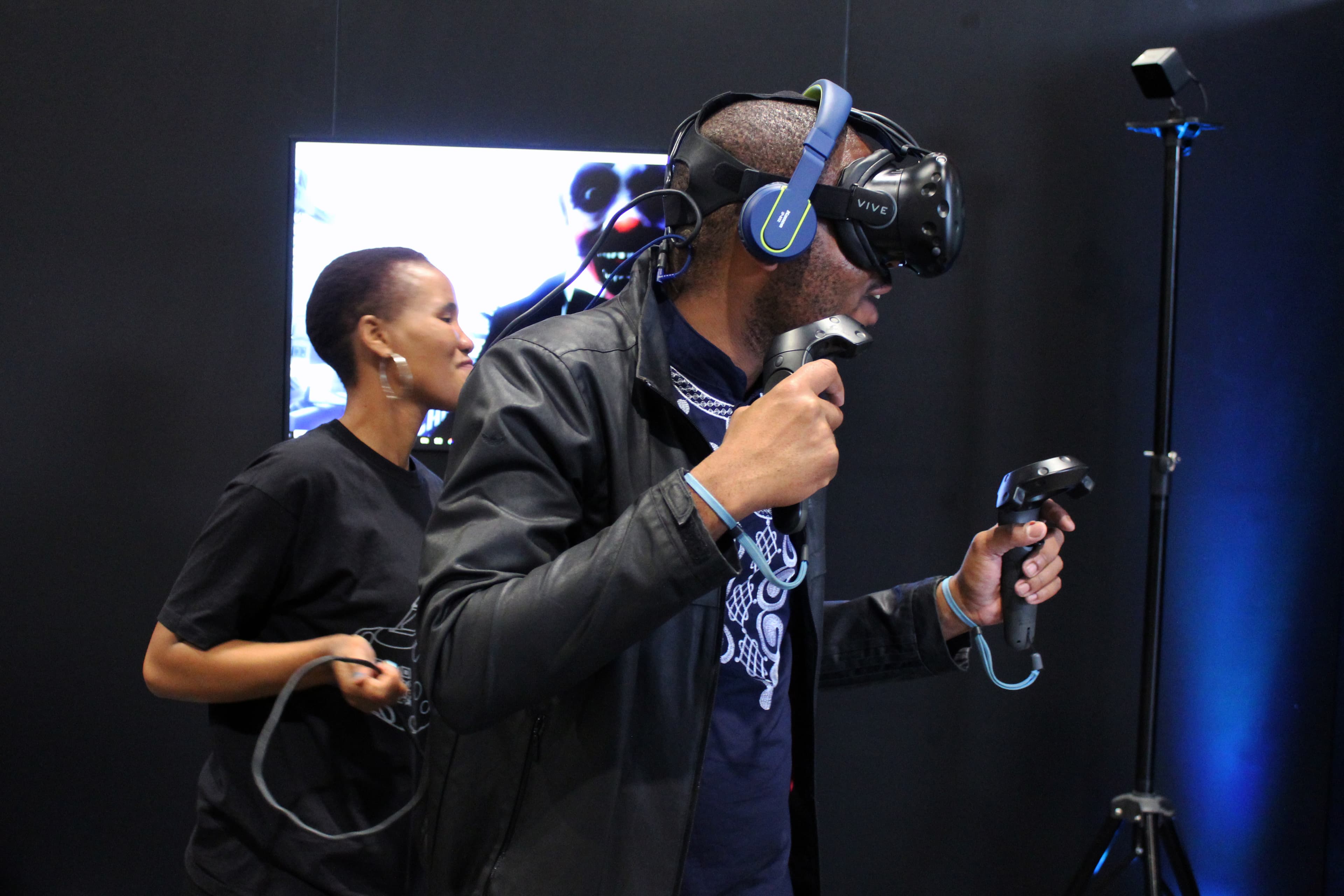
Virtual Reality in Corporate Events: Shaping the Future of Engagement
The corporate events landscape is undergoing a significant transformation, driven by the desire for more immersive and engaging experiences...
The corporate events landscape is undergoing a significant transformation, driven by the desire for more immersive and engaging experiences. Traditional events, once dominated by static presentations and passive audiences, are being reimagined as interactive, experiential gatherings. At the heart of this revolution is Virtual Reality (VR), a technology that is not just enhancing corporate events but completely redefining them. By transporting participants into meticulously crafted virtual environments, VR is setting a new standard for engagement, leaving a lasting impact on attendees.
The Evolution of Corporate Events
Corporate events have evolved significantly over the past few decades. Where once the focus was on delivering information through speeches, presentations, and networking sessions, today’s events are centered around creating experiences. This shift from traditional to experiential events has been largely driven by the changing expectations of attendees. Modern audiences no longer want to be passive recipients of information; they seek engagement, interaction, and immersion.
This transformation has been fueled by advancements in technology, particularly the rise of VR. As event planners strive to meet the demands of their audiences, they are increasingly turning to VR as a tool to create more dynamic and impactful experiences. With VR, events can move beyond the constraints of physical space, allowing participants to explore new environments, interact with products, and engage with content in ways that were previously unimaginable.

The Power of Virtual Reality in Corporate Engagement
Virtual Reality’s ability to immerse participants in alternate realities offers a level of engagement that traditional event formats simply cannot match. Unlike conventional methods that rely on visual and auditory stimuli, VR engages multiple senses simultaneously, creating a sense of presence that makes the virtual world feel as real as the physical one. This deep immersion fosters a stronger emotional connection with the content, making the experience not only memorable but also impactful.
The psychological impact of VR on participants is profound. When attendees are fully immersed in a VR environment, they are more likely to engage with the content on a deeper level. This is because VR creates a sense of embodiment, where participants feel as though they are truly part of the virtual world. This heightened sense of presence can lead to increased attention, better retention of information, and a stronger emotional response to the content.
For corporate events, this means that VR can be used to create experiences that are not only entertaining but also educational and persuasive. Whether it’s a product demonstration, a training session, or a keynote presentation, VR can make the content more engaging and effective, leading to better outcomes for the event as a whole.

Customizing VR Activations for Corporate Needs
One of the most powerful aspects of VR in corporate events is its ability to be customized to meet specific objectives. Unlike traditional event formats, which often follow a one-size-fits-all approach, VR allows for a high degree of personalization. This flexibility makes it possible to tailor VR activations to align with a brand’s messaging, values, and goals.
For instance, a company launching a new product can create a VR experience that allows attendees to interact with the product in a virtual environment. This not only gives them a firsthand look at the product’s features and benefits but also creates a memorable experience that reinforces the brand’s message. Similarly, a company hosting a team-building event can use VR to create challenges that require collaboration and problem-solving, fostering teamwork and communication among participants.
The versatility of VR in corporate settings is another key advantage. VR can be adapted to a wide range of event formats, from large-scale conferences and product launches to intimate workshops and training sessions. This adaptability makes it an invaluable tool for event planners looking to create unique and impactful experiences that resonate with their audience.
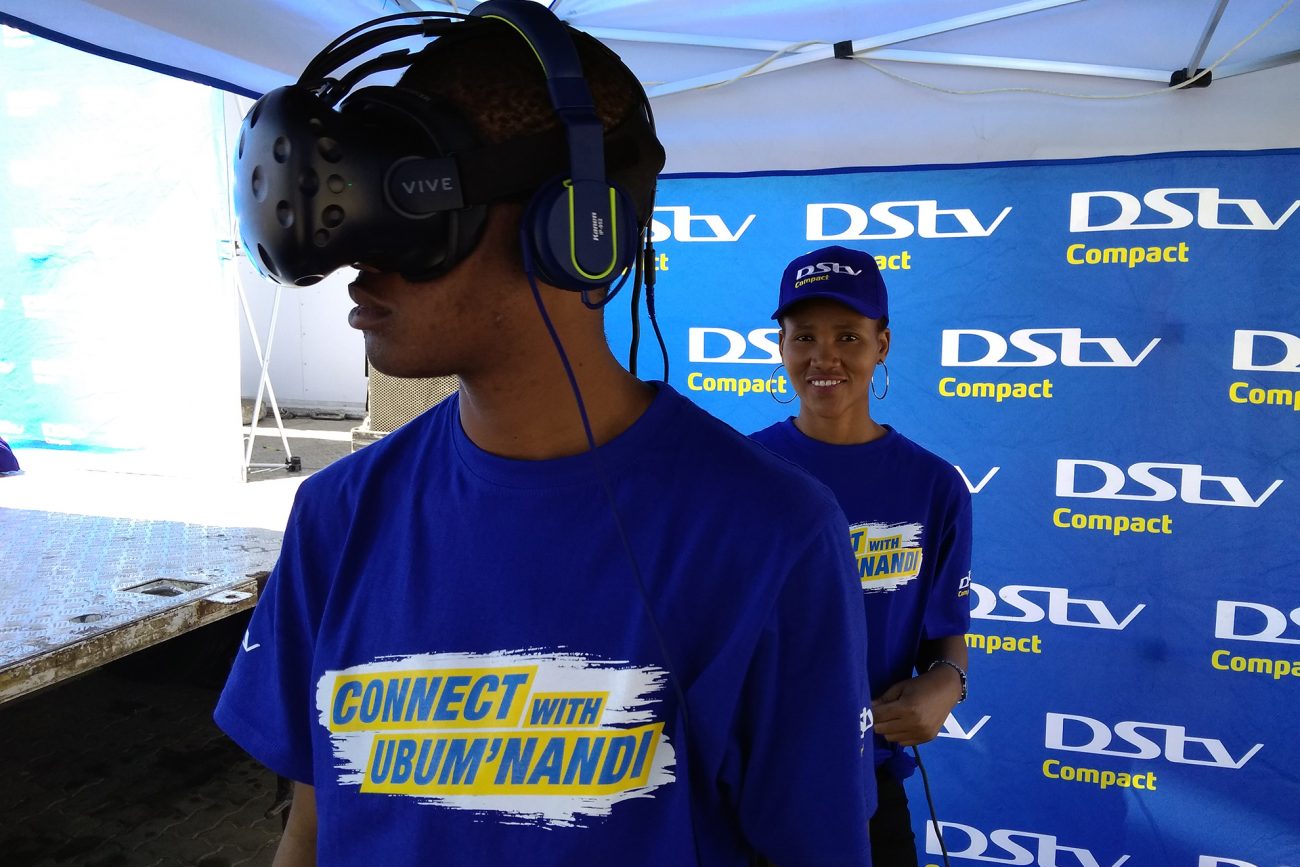
High-End VR Equipment: The Backbone of Immersive Events
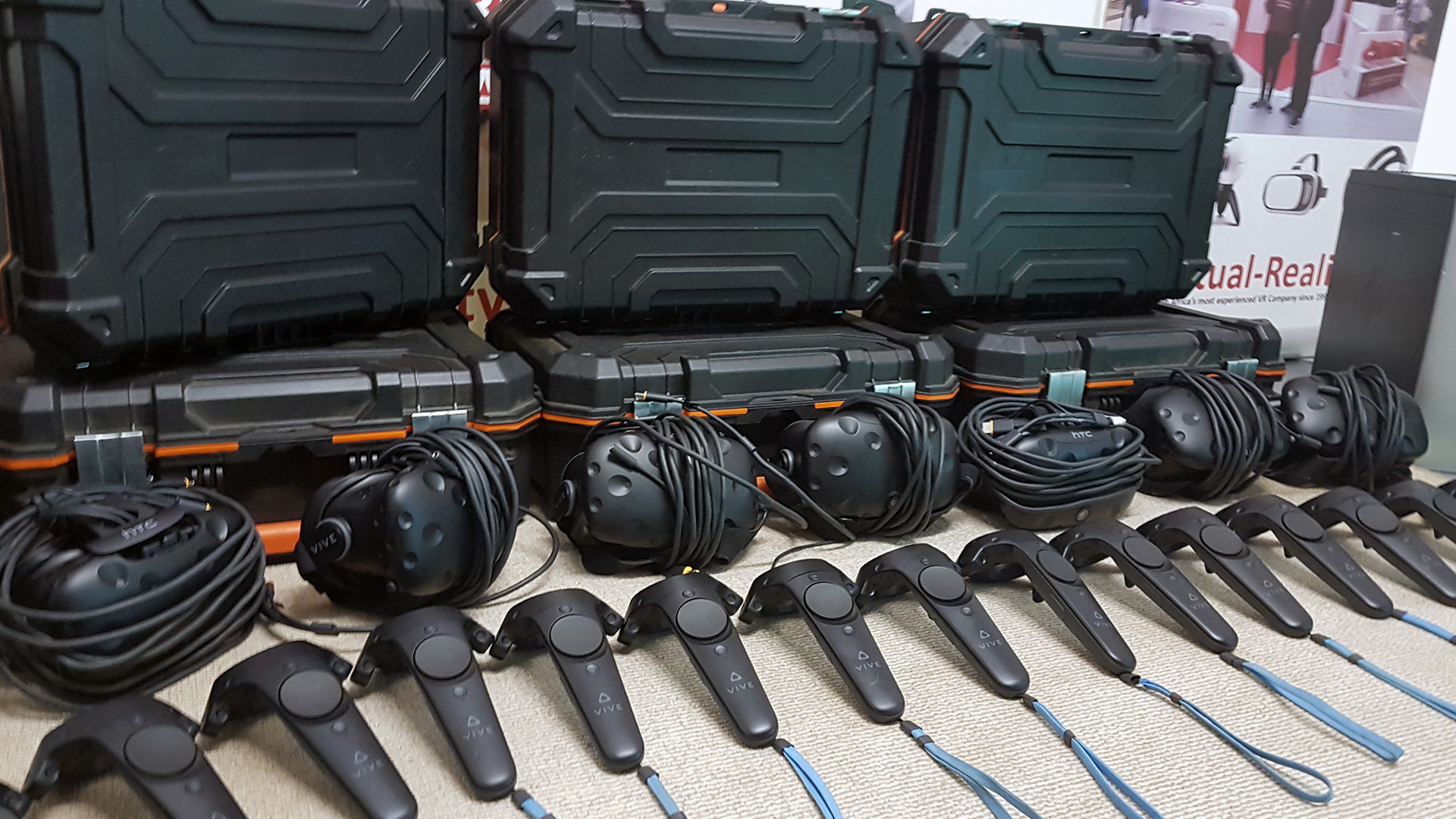
The success of any VR activation depends heavily on the quality of the equipment used. High-end VR headsets, such as the Oculus Quest, are essential for delivering the level of immersion that participants expect. The Oculus Quest is particularly well-suited for corporate events due to its high resolution, portability, and ease of use.
Unlike older VR systems that require extensive setup and wiring, the Oculus Quest offers a wireless, all-in-one solution that is both powerful and user-friendly. This freedom of movement enhances the sense of presence, allowing participants to fully immerse themselves in the virtual environment without being encumbered by cables or external sensors. The headset’s high resolution ensures that the virtual world is rendered in stunning detail, further enhancing the realism of the experience.
Moreover, seamless integration and execution are critical to the success of VR activations at corporate events. The technical team behind these activations plays a crucial role in ensuring that everything runs smoothly, from the setup of the equipment to the troubleshooting of any issues that arise during the event. Their expertise ensures that participants can focus entirely on the experience, without being distracted by technical difficulties.
The Future of Corporate Events with Virtual Reality
As VR technology continues to advance, its applications in the corporate event space are expected to expand even further. Several trends are currently shaping the future of VR in corporate settings. One such trend is the integration of artificial intelligence (AI) to create more personalized experiences. By analyzing data on participants’ behavior and preferences, AI can be used to tailor VR experiences in real-time, making them more relevant and engaging.
Another emerging trend is the use of VR for remote collaboration. As companies become more global, the need for effective remote communication and collaboration tools is increasing. VR offers a unique solution to this challenge by creating virtual environments where participants can interact with each other as if they were in the same room. This has the potential to revolutionize corporate events, allowing companies to host global conferences and meetings without the need for physical travel.
The potential of VR to revolutionize event metrics and ROI is also an exciting development. Traditional event metrics, such as attendance and feedback, are giving way to more sophisticated measures of engagement, such as the time spent in VR environments, interaction levels, and emotional responses. These metrics provide deeper insights into the effectiveness of an event, allowing companies to fine-tune their strategies for even greater impact.
Virtual Reality is not just enhancing corporate events—it is fundamentally transforming them. By leveraging the power of VR, companies can create immersive, memorable experiences that engage, educate, and inspire. As technology continues to advance, the possibilities for VR in the corporate world are limitless, promising a future where every event is an extraordinary experience.
For companies looking to stay ahead of the curve, embracing VR is no longer optional—it’s essential. By integrating VR into their event strategies, companies can not only meet the evolving expectations of their audiences but also create experiences that deliver real value.
FAQs
How does Virtual Reality enhance corporate events?
Virtual Reality enhances corporate events by creating immersive environments that engage participants on a deeper level. VR allows attendees to interact with content in a way that is more engaging and memorable than traditional event formats.
What types of corporate events can benefit from VR?
VR can be used in a wide range of corporate events, including product launches, training sessions, conferences, team-building activities, and workshops. Its versatility makes it an invaluable tool for creating unique and impactful experiences.
What equipment is needed for VR activations at corporate events?
High-end VR headsets, such as the Oculus Quest, are essential for delivering immersive VR experiences. These headsets offer high resolution, portability, and ease of use, making them ideal for corporate events.
How can VR be customized to align with a brand’s messaging?
VR activations can be tailored to reflect a brand’s ethos, values, and objectives. This customization allows companies to create experiences that are strategically aligned with their goals, ensuring that the message resonates with the audience.
What are the future trends in VR for corporate events?
Future trends in VR for corporate events include the integration of AI for personalized experiences, the use of VR for remote collaboration, and the development of more sophisticated event metrics to measure engagement and ROI.
Why is VR considered a game-changer for corporate events?
VR is considered a game-changer for corporate events because it offers a level of engagement and immersion that traditional event formats cannot match. By creating immersive environments, VR enhances the overall experience and makes the content more impactful.
Author: Gerald Ferreira
Virtual Reality Activations is South Africa's leading immersive event provider, bringing interactive virtual reality experiences, high-end hardware rentals, and custom software builds to corporate activations nationwide.