
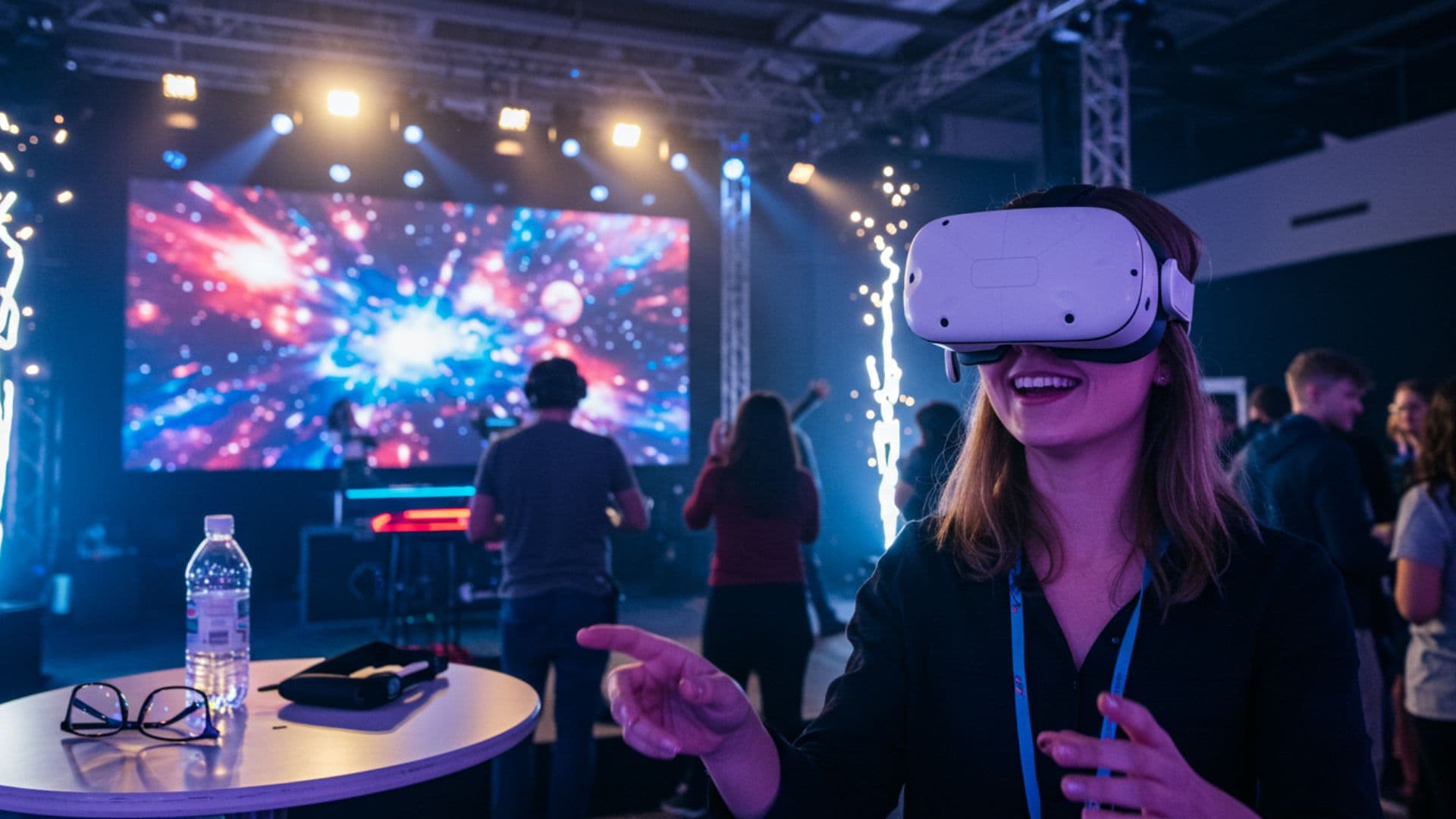
Virtual Reality Activations: Transforming Business Engagement in South Africa
Harnessing Immersive Technology to Elevate Customer Experiences In the competitive landscape of South African business, standing out requires...
Harnessing Immersive Technology to Elevate Customer Experiences
In the competitive landscape of South African business, standing out requires innovative approaches that captivate and engage customers. Virtual Reality Activations offer a groundbreaking solution, enabling businesses to create immersive and interactive experiences that leave a lasting impression. By leveraging VR technology, companies can enhance marketing campaigns, streamline training programs, and revolutionize customer interactions. This blog delves into the concept of Virtual Reality Activations, exploring their significance, applications, benefits, and the transformative impact they hold for South African enterprises.
Understanding Virtual Reality Activations
Defining VR Activations
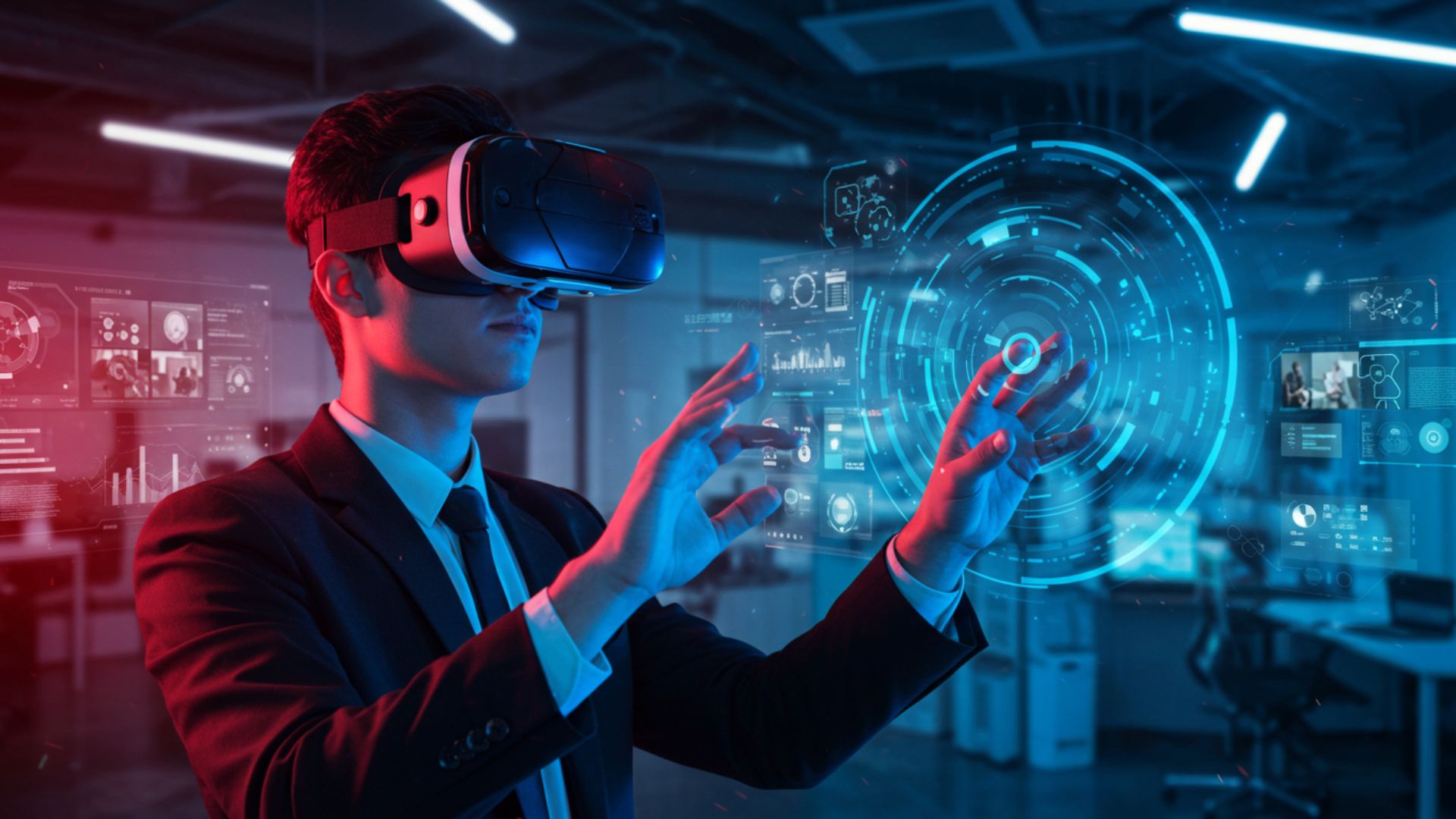
Imagine launching a new product with a virtual experience that allows customers to interact with it in a simulated environment. Virtual Reality Activations are strategic implementations of VR technology designed to engage audiences through immersive and interactive experiences. Unlike traditional marketing methods, VR activations create a sensory-rich environment where users can explore, interact, and connect with a brand or product on a deeper level. This innovative approach not only captures attention but also fosters a memorable and emotional connection between the consumer and the brand.
Components of VR Activations
Successful VR activations encompass several key components that work together to create a seamless and engaging experience. These include high-quality VR hardware, such as headsets and motion controllers, and specialized software tailored to the activation's objectives. Additionally, content creation plays a crucial role, involving the development of interactive and visually stunning virtual environments that resonate with the target audience. The integration of these elements ensures that the VR activation delivers a compelling and immersive experience that aligns with the brand's message and goals.
The Role of Storytelling in VR Activations
At the heart of effective VR activations lies the power of storytelling. Crafting a narrative that guides users through the virtual experience enhances engagement and retention. For instance, a South African tourism company might create a VR activation that takes users on a virtual safari, narrating the journey through stunning landscapes and wildlife encounters. This storytelling approach not only entertains but also educates and inspires, leaving a lasting impression that encourages future interactions with the brand.
Applications of Virtual Reality Activations in Business
Marketing and Brand Engagement
Virtual Reality Activations have revolutionized marketing strategies by providing an interactive platform for brand engagement. South African businesses can utilize VR to create unique marketing campaigns that stand out in a crowded marketplace. For example, a fashion retailer could develop a virtual fashion show where customers can explore and interact with the latest collection in a virtual environment. This not only enhances the shopping experience but also increases brand visibility and customer loyalty by offering something beyond traditional advertising methods.
Product Demonstrations and Launches
Launching a new product often requires effective demonstration to showcase its features and benefits. VR activations enable businesses to present their products in a virtual setting, allowing customers to experience them firsthand without physical presence. A South African automotive company, for instance, could use VR to offer virtual test drives of their latest models, providing potential buyers with an immersive and interactive way to explore vehicle features, performance, and design. This innovative approach not only attracts attention but also facilitates informed purchasing decisions.
Employee Training and Development
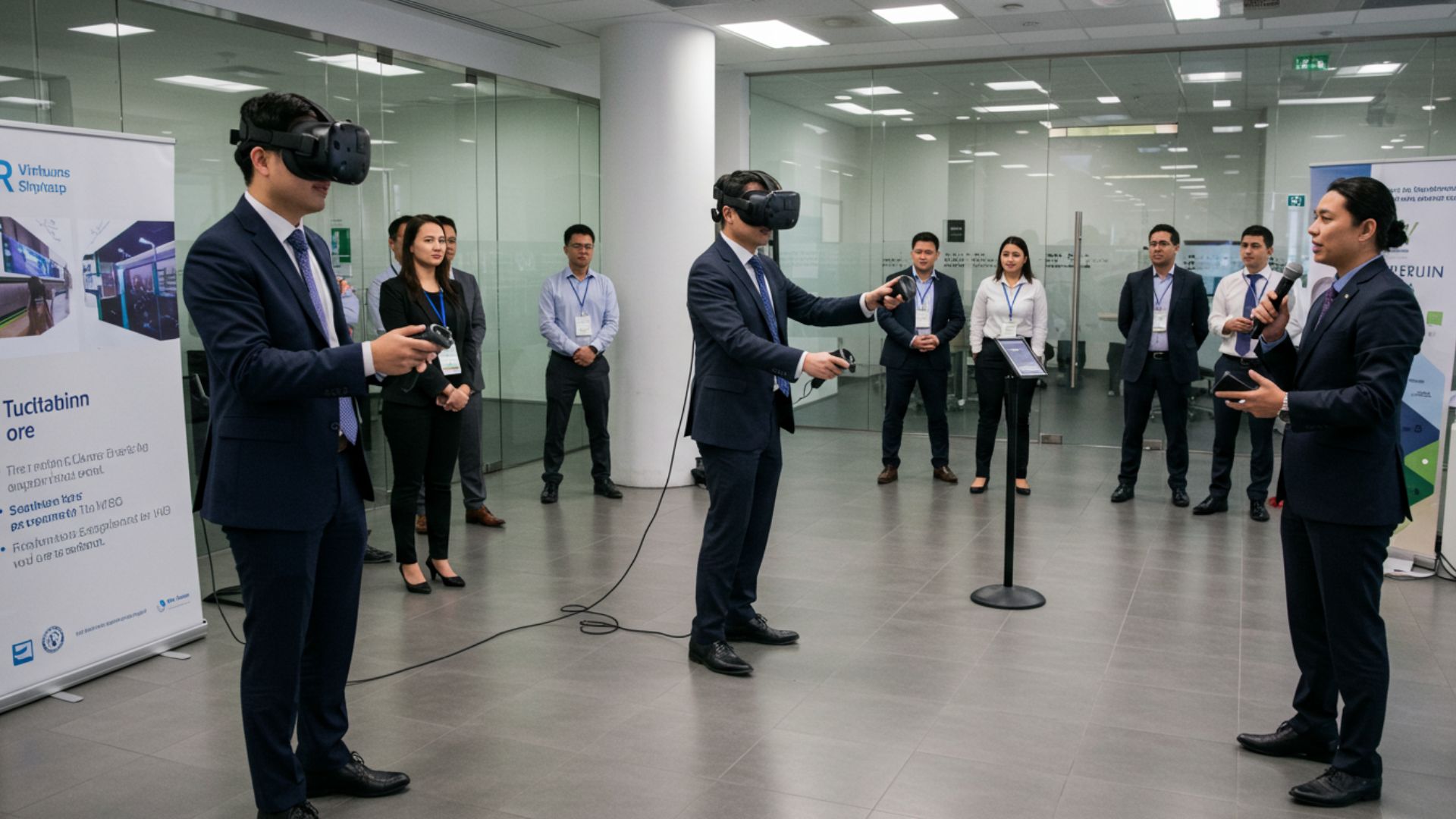
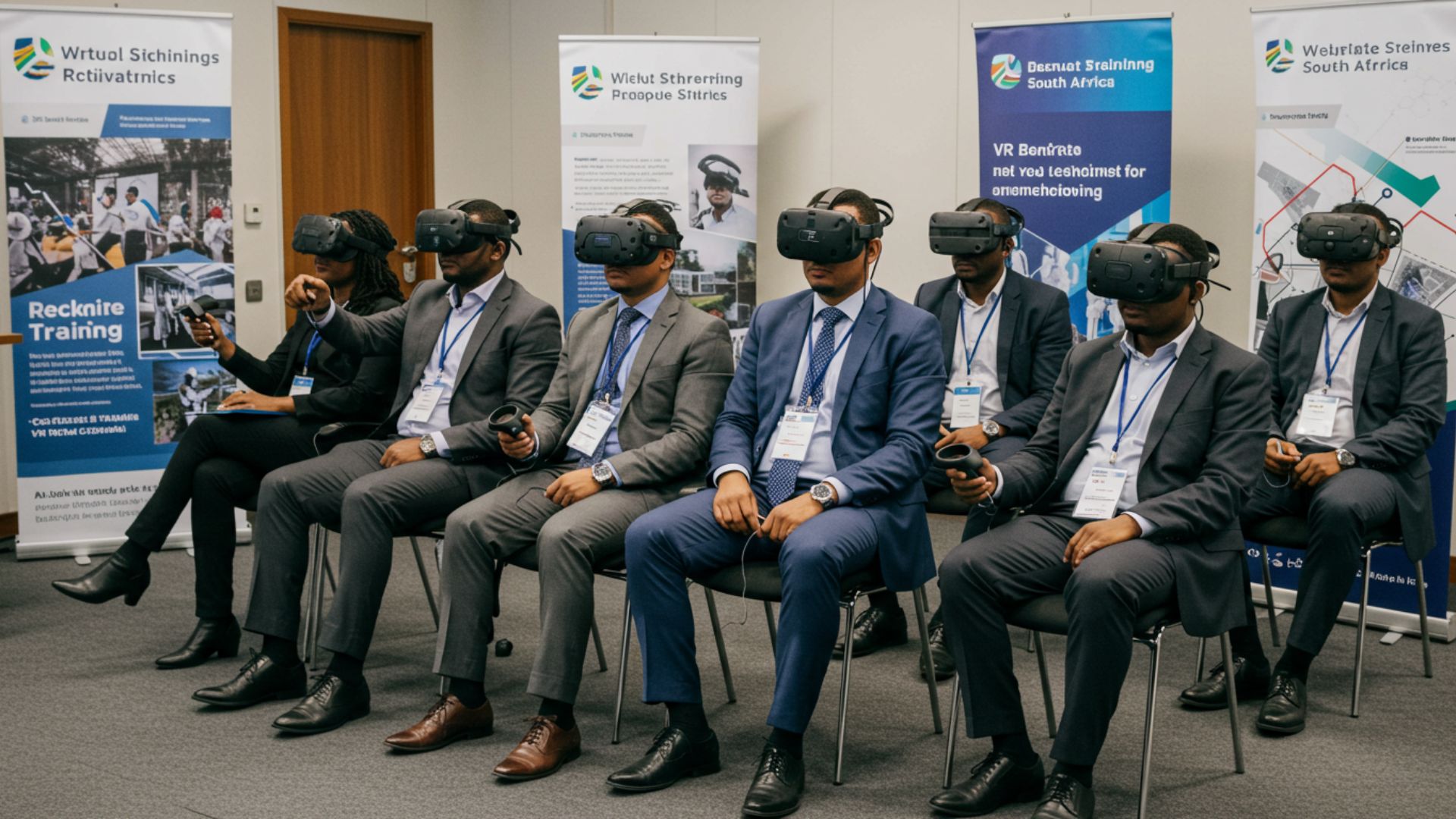
Beyond customer engagement, VR activations play a significant role in employee training and development. South African companies can implement VR-based training programs that simulate real-world scenarios, providing employees with hands-on experience in a controlled and safe environment. For example, a mining company could use VR to train workers on safety protocols and equipment handling, reducing the risk of accidents and enhancing operational efficiency. This application of VR not only improves training outcomes but also fosters a culture of continuous learning and development within the organization.
Event Experiences and Virtual Trade Shows
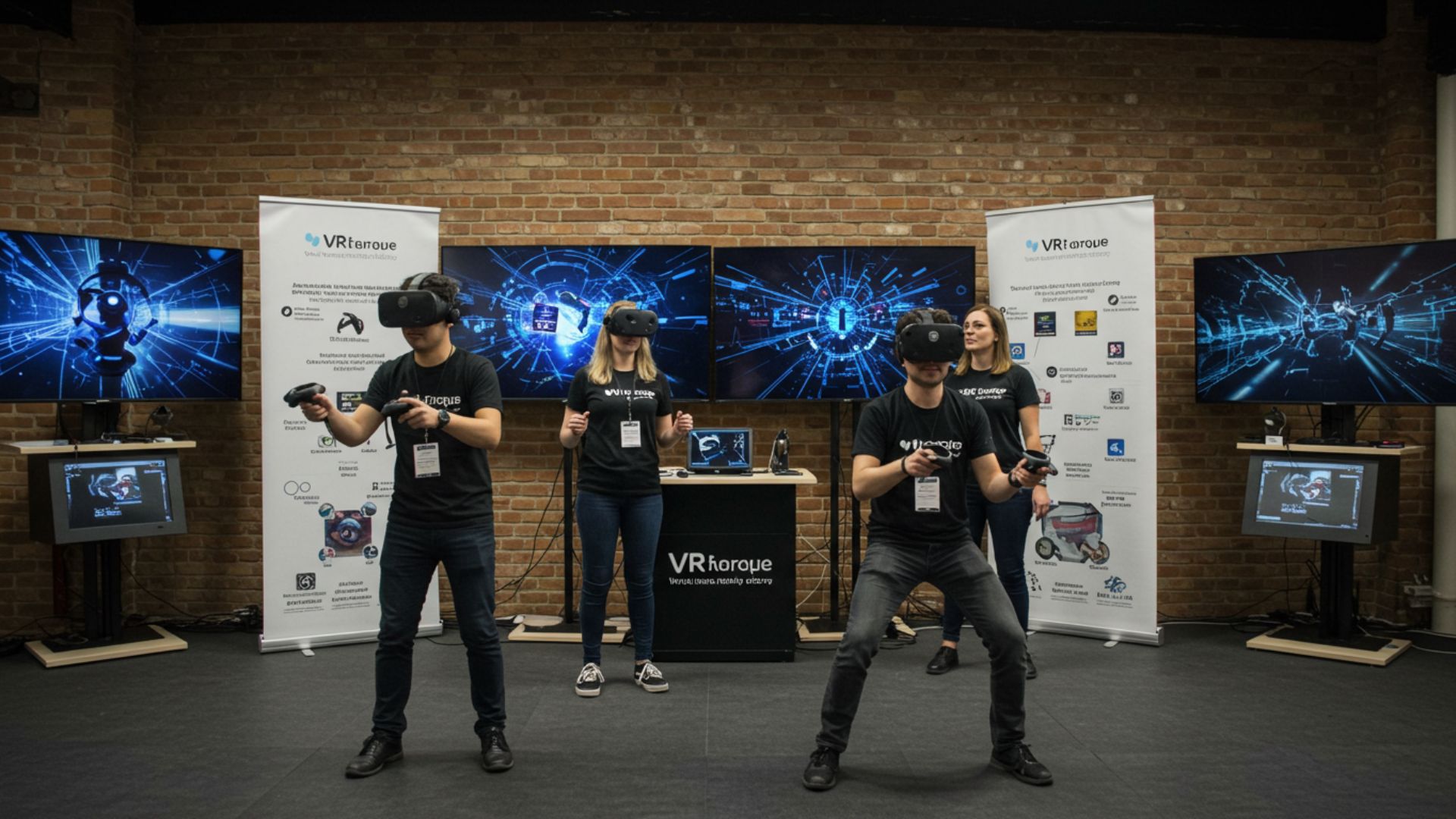
In the realm of events and trade shows, VR activations offer a dynamic way to attract and engage attendees. South African businesses participating in trade shows can set up VR booths that allow visitors to explore products, services, and innovations in an interactive manner. For instance, a technology company could create a virtual lab where attendees can experiment with new gadgets and technologies, providing an engaging and memorable experience that differentiates them from competitors.
Customer Support and Virtual Assistance
VR can also enhance customer support by providing virtual assistance and troubleshooting in an interactive format. South African businesses can develop VR-based support systems where customers can visualize solutions to their problems in a virtual environment. For example, a home appliance manufacturer could offer a VR guide that walks customers through the troubleshooting process for their products, providing a more intuitive and effective support experience compared to traditional manuals or videos.
Benefits of Virtual Reality Activations for South African Businesses
Enhanced Customer Engagement and Retention
One of the primary benefits of Virtual Reality Activations is the ability to engage customers in a more meaningful and interactive way. VR experiences are inherently immersive, capturing the attention of users and encouraging prolonged interaction. This heightened engagement leads to better retention of brand messages and fosters a stronger emotional connection between the customer and the business. For South African companies, this means higher customer loyalty and increased likelihood of repeat business.
Cost-Effective Marketing and Training Solutions
While the initial investment in VR technology may seem substantial, the long-term benefits can lead to significant cost savings. VR activations eliminate the need for physical setups and reduce the costs associated with traditional marketing campaigns and training programs. For instance, virtual product demonstrations can reach a global audience without the expenses of international shipping and logistics. Similarly, VR-based training reduces the need for costly training materials and minimizes downtime associated with traditional training methods.
Data-Driven Insights and Analytics
VR activations provide valuable data on user interactions and behaviors, offering businesses insights that can inform strategic decisions. South African companies can analyze how customers interact with VR experiences, identifying patterns and preferences that can enhance product development and marketing strategies. This data-driven approach ensures that businesses can tailor their offerings to better meet the needs and expectations of their target audience, driving growth and innovation.
Competitive Advantage and Brand Differentiation
In a competitive market, standing out is crucial. Virtual Reality Activations provide South African businesses with a unique way to differentiate themselves from competitors. By offering innovative and engaging experiences, companies can position themselves as leaders in their industry, attracting attention and gaining a competitive edge. This differentiation not only enhances brand reputation but also attracts a broader customer base, contributing to overall business success.
Scalability and Flexibility
VR activations are highly scalable and flexible, allowing businesses to adapt and expand their virtual experiences as needed. Whether it's launching a new product, entering a new market, or updating training programs, VR offers the flexibility to make changes and updates without significant additional costs. This scalability ensures that businesses can continuously innovate and improve their VR activations, keeping pace with evolving market demands and technological advancements.
Implementing Virtual Reality Activations in Your Business
Assessing Your Business Needs and Objectives
Before diving into VR activations, it's essential for South African businesses to assess their specific needs and objectives. Determine what you aim to achieve with VR—whether it's enhancing customer engagement, improving training programs, or launching a new product. By clearly defining your goals, you can tailor your VR activation strategy to align with your business objectives, ensuring maximum impact and effectiveness.
Choosing the Right VR Solutions and Partners
Selecting the appropriate VR solutions and partners is crucial for the success of your VR activations. South African businesses should consider factors such as the type of VR experiences they want to create, the technical capabilities required, and the expertise of the VR service providers. Partnering with a reliable VR agency like VR360 can provide the necessary support and guidance, from content creation and technology integration to ongoing maintenance and optimization.
Developing Engaging and Relevant Content
Content is at the core of any successful VR activation. South African businesses need to develop engaging and relevant content that resonates with their target audience. This involves creating interactive and visually appealing virtual environments that effectively communicate the brand message and showcase products or services. Collaborating with experienced VR content creators ensures that the virtual experiences are high-quality and aligned with the business's goals.
Integrating VR into Your Marketing and Operations
Once the VR content is developed, it's essential to integrate it seamlessly into your marketing and operational strategies. This involves promoting VR activations through various channels, such as social media, email marketing, and events, to maximize reach and engagement. Additionally, incorporating VR into daily operations, such as training and customer support, ensures that the technology is fully utilized and delivers ongoing value to the business.
Measuring Success and Optimizing Performance
Measuring the success of your VR activations is crucial for understanding their impact and identifying areas for improvement. South African businesses should establish key performance indicators (KPIs) that align with their objectives, such as customer engagement metrics, conversion rates, and training effectiveness. Regularly analyzing these metrics allows businesses to optimize their VR strategies, enhancing the overall effectiveness and ensuring continued growth and success.
Future Trends in Virtual Reality Activations
Integration with Artificial Intelligence and Machine Learning
The future of Virtual Reality Activations lies in their integration with emerging technologies like Artificial Intelligence (AI) and Machine Learning (ML). Combining VR with AI can lead to more personalized and intelligent virtual experiences, where interactions are tailored to individual user preferences and behaviors. For South African businesses, this means creating highly customized and adaptive VR activations that deliver unique and engaging experiences for each customer.
Expansion into Augmented Reality (AR) and Mixed Reality (MR)
As VR technology continues to evolve, its applications are expanding into Augmented Reality (AR) and Mixed Reality (MR). These complementary technologies offer even more versatile and immersive experiences, blending the virtual and physical worlds seamlessly. South African businesses can leverage AR and MR alongside VR to create hybrid experiences that enhance customer interactions and operational efficiency, providing a comprehensive and cutting-edge technological solution.
Enhanced Sensory Experiences with Haptic Feedback
Future VR activations will incorporate advanced sensory technologies such as haptic
feedback, which simulates the sense of touch within virtual environments. This enhancement allows users to feel physical sensations when interacting with virtual objects, making the experience even more immersive and realistic. For South African businesses, integrating haptic feedback into VR activations can significantly enhance product demonstrations, training simulations, and customer engagement strategies by providing a multi-sensory experience that deepens user involvement and satisfaction.
Cloud-Based VR Solutions for Scalability and Accessibility
The adoption of cloud-based VR solutions is set to increase, offering South African businesses scalable and accessible options for deploying VR activations. Cloud-based platforms enable businesses to host VR content on remote servers, allowing users to access virtual experiences from various devices without the need for high-end hardware. This trend makes VR activations more accessible to a wider audience, reducing the barriers to entry and enabling businesses to reach a larger customer base with minimal infrastructure investments.
Social VR and Collaborative Experiences
Social VR, which enables multiple users to interact within the same virtual space, is gaining traction as a powerful tool for collaboration and community building. South African businesses can utilize social VR activations to create virtual networking events, collaborative workspaces, and interactive community experiences. These social interactions foster a sense of community and collaboration, enhancing employee engagement and customer loyalty by providing shared virtual spaces where meaningful connections can be made.
Sustainability and Eco-Friendly VR Practices
As environmental sustainability becomes increasingly important, the VR industry is also moving towards eco-friendly practices. South African businesses can adopt sustainable VR activations by using energy-efficient hardware, optimizing VR content to reduce computational requirements, and implementing virtual experiences that promote environmental awareness and sustainability initiatives. By aligning VR activations with eco-friendly practices, businesses can demonstrate their commitment to sustainability while leveraging technology to drive positive change.
Author: Gerald Ferreira
Virtual Reality Activations is South Africa's leading immersive event provider, bringing interactive virtual reality experiences, high-end hardware rentals, and custom software builds to corporate activations nationwide.