
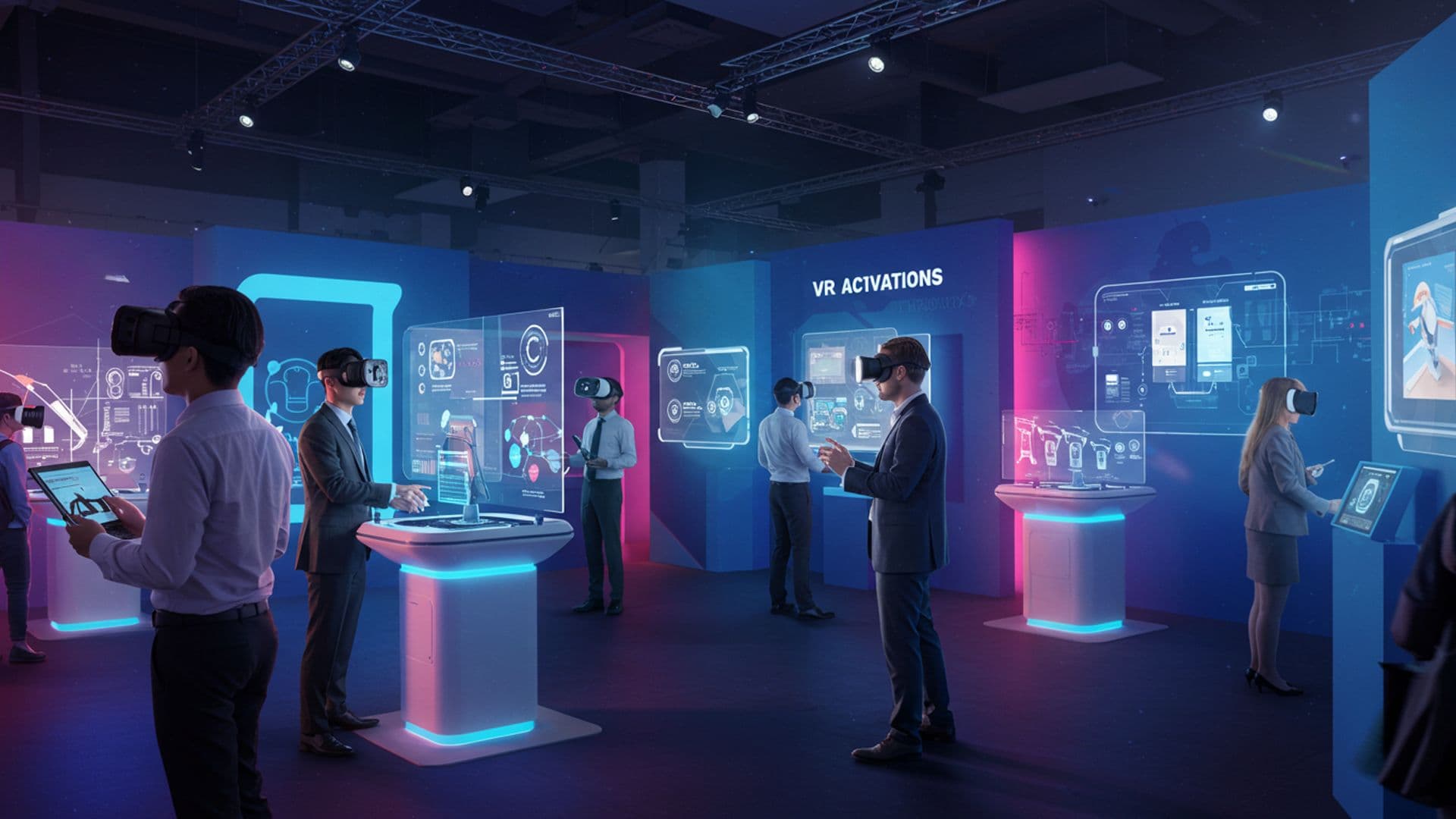
Virtual Reality Activations: Catalyzing Business Growth in 2025
Revolutionizing Business Engagement through Immersive Virtual Activations As we navigate the digital frontier of 2025, Virtual Reality (VR)...
Revolutionizing Business Engagement through Immersive Virtual Activations
As we navigate the digital frontier of 2025, Virtual Reality (VR) activations are emerging as a transformative tool for businesses seeking to enhance engagement, expand their reach, and drive sustainable growth. By leveraging immersive technologies, VR activations offer dynamic and interactive experiences that transcend traditional marketing and operational strategies. This comprehensive exploration delves into how VR activations are poised to revolutionize various aspects of business, from marketing and customer engagement to training and strategic insights, fostering innovation and unlocking new avenues for growth across diverse industries.
Enhanced Customer Engagement through Immersive Experiences
Interactive Product Demonstrations
Imagine unveiling a new product in a virtual space where customers can interact with it in 3D, experiencing every feature firsthand without leaving their homes. Interactive Product Demonstrations in VR allow businesses to showcase their offerings in a highly engaging and immersive manner. Customers can explore product functionalities, visualize applications, and even customize features in real-time, fostering a deeper connection and understanding of the product.
This level of interactivity goes beyond traditional video presentations, enabling customers to engage with products at their own pace and according to their specific interests. For instance, a technology company could offer virtual hands-on sessions where users can manipulate gadgets, explore intricate designs, and receive instant feedback. Such immersive experiences not only capture attention but also drive higher conversion rates by providing a memorable and informative product interaction.
Virtual Networking Opportunities
Networking remains a critical component of business growth, and VR activations are revolutionizing how professionals connect and collaborate. Virtual Networking Opportunities in VR provide a platform where attendees can interact in a more natural and engaging way compared to traditional online meetings. Avatars, spatial audio, and interactive environments create a sense of presence, making conversations feel more personal and meaningful.
For example, during a virtual conference, participants can navigate through virtual halls, join breakout sessions, and engage in spontaneous conversations with peers and industry leaders. This enhanced networking experience breaks down geographical barriers, allowing businesses to connect with a global audience and forge valuable partnerships. The ability to interact in a virtual space fosters a stronger sense of community and collaboration, essential for driving innovation and business growth.
Gamified Engagement Strategies
Incorporating Gamified Engagement Strategies into VR activations can significantly boost attendee participation and enjoyment. Gamification elements such as leaderboards, challenges, and rewards create an interactive and competitive atmosphere that keeps participants engaged throughout the activation. For instance, a virtual trade show could include scavenger hunts where attendees earn points for visiting different booths, attending sessions, and interacting with exhibitors.
These gamified elements not only make the activation more enjoyable but also encourage attendees to explore more of what the event has to offer. By leveraging the inherent interactivity of VR, businesses can create memorable experiences that resonate with their audience, leading to increased brand loyalty and customer retention. Gamification transforms passive attendees into active participants, driving higher levels of engagement and fostering a positive association with the brand.
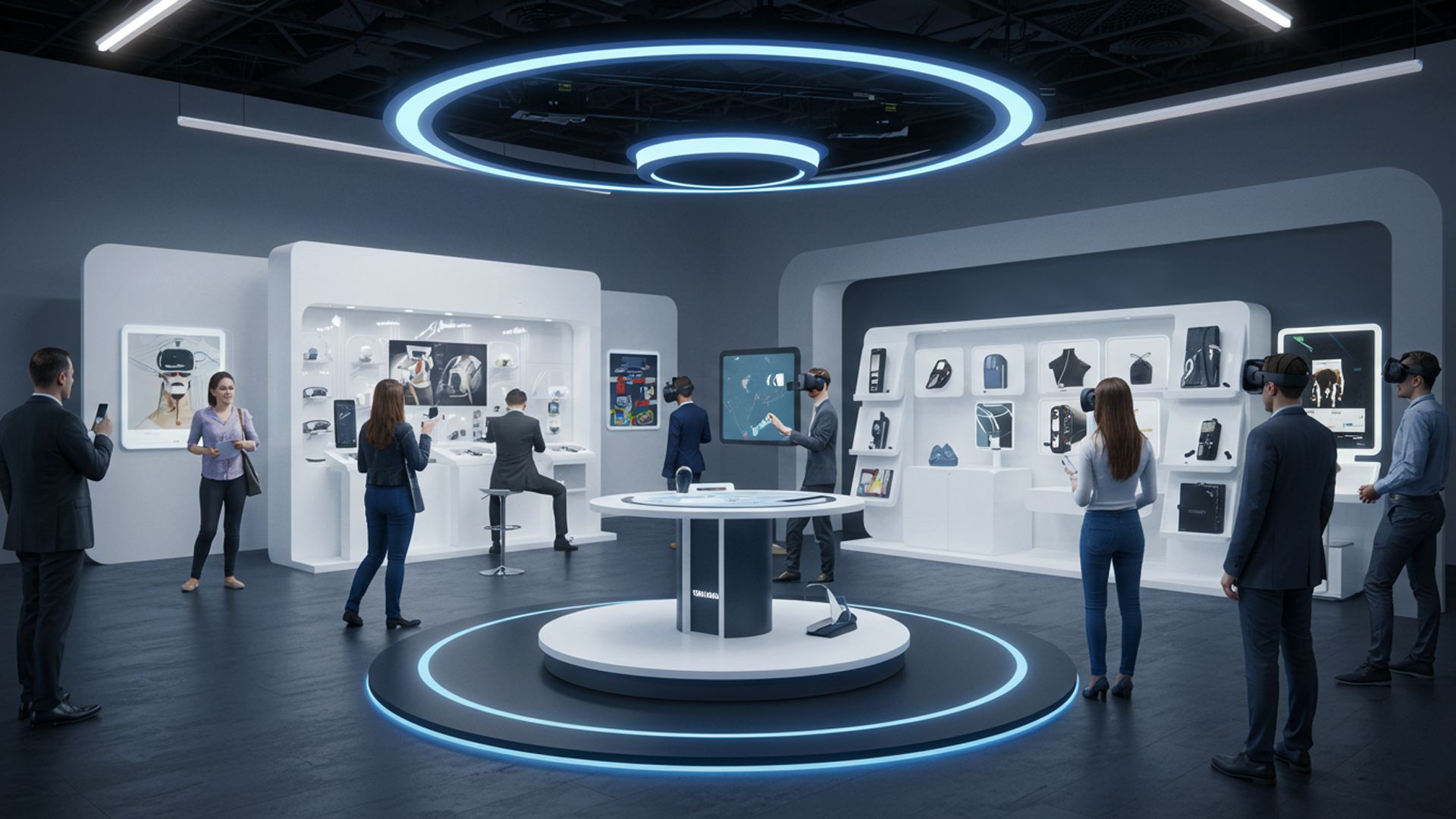
Expanding Market Reach through Global Accessibility
Overcoming Geographical Constraints
One of the most significant advantages of Overcoming Geographical Constraints with VR activations is the ability to reach a global audience without the need for physical travel. Businesses can host large-scale activations that attract participants from around the world, significantly expanding their market reach. This global accessibility not only increases the potential for higher attendance but also allows businesses to tap into new and diverse markets.
For example, a multinational corporation launching a new software platform can host a VR activation that allows international clients to experience the product firsthand, participate in live demonstrations, and engage with support teams in real-time. This eliminates the logistical challenges and costs associated with organizing in-person events, making it easier for businesses to scale their outreach efforts and engage with a broader audience.
Cost-Effective Activation Management
Cost-Effective Activation Management is another critical benefit of VR activations, particularly for small and medium-sized enterprises (SMEs) looking to maximize their resources. Traditional activations often involve substantial expenses related to venue rental, travel, accommodation, and physical materials. VR activations offer a more economical alternative, reducing or eliminating many of these costs while still providing a high-quality and engaging experience for participants.
By hosting activations in a virtual space, businesses can allocate their budgets more efficiently, investing in high-quality content, interactive features, and advanced technologies that enhance the overall activation experience. This cost-efficiency not only makes VR activations accessible to a wider range of businesses but also allows for more frequent and scalable activation hosting, further driving business growth and market presence.
Sustainable Business Practices
In an era where sustainability is increasingly prioritized, Sustainable Business Practices are essential for businesses aiming to reduce their environmental footprint. VR activations contribute significantly to sustainability by minimizing the need for physical travel, lowering carbon emissions associated with transportation, and reducing the reliance on disposable materials used in traditional activations.
By opting for virtual activations, businesses can demonstrate their commitment to environmental responsibility, enhancing their reputation and appeal to eco-conscious consumers. This alignment with green practices not only benefits the planet but also resonates with consumers, driving brand loyalty and long-term business success. Additionally, virtual activations reduce waste generated from printed materials, signage, and other physical resources, promoting a more sustainable approach to business operations.

Facilitating Training and Development Programs
Immersive Training Simulations
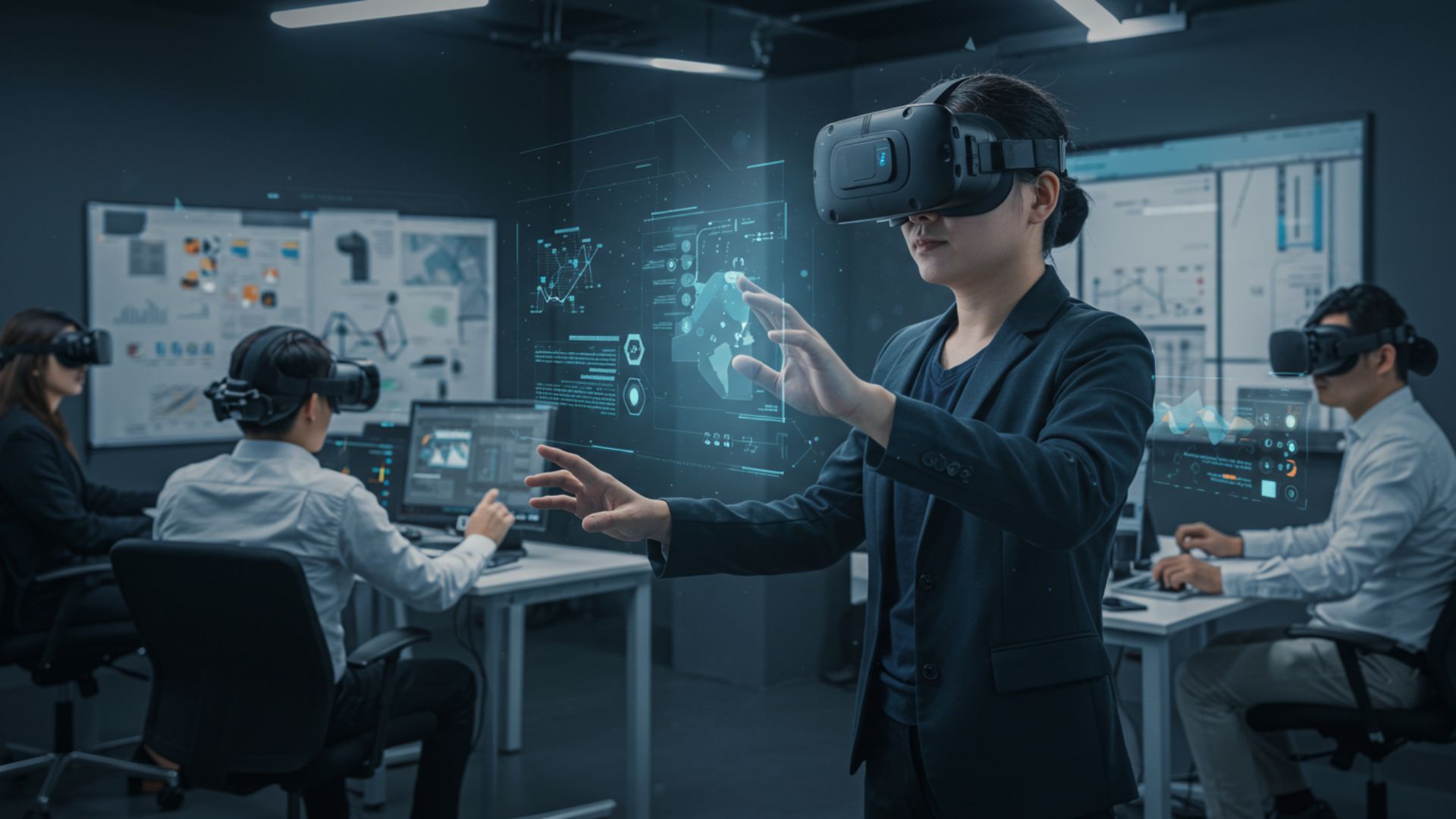
Immersive Training Simulations in VR provide businesses with advanced tools for employee development and skill enhancement. These simulations offer realistic and interactive environments where employees can practice and refine their skills without the risks associated with real-world training. From emergency response drills to technical skill training, VR simulations provide a safe and controlled setting for experiential learning.
For example, a manufacturing company can use VR to train employees on operating complex machinery, allowing them to practice procedures and troubleshoot issues in a virtual environment. This hands-on approach not only improves skill acquisition but also enhances retention and application of knowledge, leading to more competent and confident employees. Additionally, VR training can be easily updated and customized to reflect the latest industry standards and practices, ensuring that training programs remain relevant and effective.
Remote Workforce Development
As remote work becomes increasingly prevalent, Remote Workforce Development is essential for maintaining a skilled and cohesive team. VR activations facilitate remote training and development by providing immersive and interactive learning experiences that transcend physical boundaries. Employees can participate in virtual workshops, seminars, and training sessions from anywhere in the world, ensuring consistent and comprehensive training across the organization.
Virtual training environments promote collaboration and teamwork, even among geographically dispersed teams. Employees can engage in group activities, participate in interactive discussions, and collaborate on projects in a shared virtual space, fostering a sense of unity and collective learning. This approach not only enhances individual skills but also strengthens team dynamics, contributing to overall business performance and growth.
Continuous Learning and Skill Enhancement
Continuous Learning and Skill Enhancement are critical for businesses aiming to stay competitive and innovative. VR activations support ongoing training programs by offering regular workshops, courses, and seminars that employees can attend at their convenience. These virtual learning environments provide access to a wealth of resources and expert knowledge, enabling employees to continuously upgrade their skills and stay abreast of industry trends.
Moreover, VR-based learning can be tailored to individual learning styles and paces, making it a flexible and effective tool for personal and professional development. By investing in VR-based training and development programs, businesses can cultivate a highly skilled and adaptable workforce, driving innovation and growth in an ever-changing market landscape.
Innovative Marketing and Brand Building
Virtual Trade Shows and Expos
Virtual Trade Shows and Expos offer businesses a powerful platform to showcase their products and services to a global audience without the logistical challenges of traditional events. These virtual platforms allow exhibitors to create interactive booths, host live demonstrations, and engage with attendees in real-time, providing a comprehensive and immersive experience.
Participants can navigate through different exhibit halls, interact with virtual displays, and attend keynote sessions, all within a dynamic virtual environment. This level of interactivity enhances the attendee experience, making it more engaging and informative compared to static online webinars or video presentations. Additionally, virtual trade shows offer valuable data insights, allowing businesses to track attendee interactions, preferences, and behaviors, informing future marketing strategies and product developments.
Immersive Brand Experiences
Creating Immersive Brand Experiences in VR allows businesses to engage with their audience in a more meaningful and memorable way. By designing virtual environments that reflect the brand's identity and values, companies can create unique and interactive experiences that resonate with their target audience. For instance, a fashion brand could host a virtual runway show where attendees can explore different outfits in a 3D space, interact with virtual models, and customize designs to their preferences.
These immersive experiences go beyond traditional advertising by providing a hands-on and interactive way for customers to connect with the brand. This deeper engagement fosters a stronger emotional connection, enhancing brand loyalty and encouraging word-of-mouth promotion. Additionally, immersive brand experiences can differentiate businesses from competitors, positioning them as innovative and customer-centric in the eyes of consumers.
Data-Driven Marketing Insights
VR activations generate a wealth of data that businesses can leverage to gain strategic insights and optimize their marketing efforts. Data-Driven Marketing Insights from VR activations include metrics such as attendee engagement levels, interaction rates, session attendance, and feedback scores. By analyzing this data, businesses can identify trends, preferences, and areas for improvement, enabling them to tailor their marketing strategies more effectively.
For example, data analytics can reveal which virtual booths received the most traffic, which sessions had the highest engagement, and what types of content resonated most with attendees. These insights allow businesses to refine their activation content, optimize their virtual presence, and enhance their overall marketing approach. By leveraging data-driven insights, businesses can make informed decisions that drive better outcomes, increase ROI, and support sustained growth.

Boosting Sales and Lead Generation
Virtual Sales Presentations
Virtual Sales Presentations in VR offer a dynamic and interactive alternative to traditional sales pitches. Sales teams can conduct presentations in virtual environments, allowing them to showcase products in a 3D space, demonstrate features, and engage with potential clients in real-time. This immersive approach makes the sales process more engaging and persuasive, increasing the likelihood of closing deals.
Virtual sales presentations also provide the flexibility to customize the presentation based on the client's interests and needs. Sales representatives can tailor the virtual environment, highlight specific product features, and address client questions interactively, creating a personalized and impactful sales experience. This level of customization enhances client satisfaction and fosters stronger business relationships, ultimately driving higher sales and revenue.
Interactive Booths and Exhibits
Interactive Booths and Exhibits in VR activations enable businesses to create engaging and informative displays that attract and retain attendee attention. These virtual booths can include interactive elements such as product demos, informational videos, and real-time chat support, providing a comprehensive and engaging experience for visitors. By offering interactive content, businesses can educate attendees about their products and services in a more engaging and memorable way.
Additionally, interactive booths allow for real-time data collection and lead generation. Businesses can track visitor interactions, gather contact information, and follow up with potential leads after the activation. This streamlined approach to lead generation enhances the effectiveness of marketing efforts, ensuring that businesses can capitalize on the opportunities presented by VR activations and convert leads into loyal customers.
Follow-Up and Customer Retention
Post-activation follow-up is crucial for converting leads into customers and fostering long-term relationships. Follow-Up and Customer Retention strategies in VR activations involve leveraging the data and interactions gathered during the activation to personalize post-activation communications and offers. Businesses can send personalized thank-you messages, exclusive offers, and tailored content based on the attendee's interests and interactions during the activation.
Additionally, businesses can invite attendees to future VR activations, providing ongoing engagement opportunities and reinforcing the relationship. By maintaining continuous communication and offering value-added content, businesses can enhance customer satisfaction, encourage repeat business, and build a loyal customer base. Effective follow-up strategies ensure that the momentum gained during VR activations translates into sustained business growth and success.

Frequently Asked Questions
What are the main benefits of VR activations for businesses?
VR activations offer numerous benefits, including enhanced customer engagement through immersive experiences, expanded market reach by overcoming geographical constraints, cost-effective activation management, and the ability to collect real-time data and insights. Additionally, VR activations support sustainable business practices by reducing the need for physical travel and minimizing environmental impact. They also facilitate interactive training and development programs, fostering a skilled and adaptable workforce.
How can businesses effectively integrate VR activations into their existing strategies?
To effectively integrate VR activations into existing strategies, businesses should align VR initiatives with their overall business goals, ensure seamless integration with existing tools and platforms, and develop a cohesive virtual strategy that encompasses activation planning, content creation, marketing, and post-activation analysis. Leveraging data and analytics to inform decision-making and continuously optimizing activation performance are also crucial for maximizing the impact and return on investment of VR activations.
What types of VR activations are most effective for business growth?
Several types of VR activations are highly effective for business growth, including interactive product demonstrations, virtual trade shows and expos, immersive brand experiences, virtual networking sessions, and interactive workshops and training programs. These activations facilitate deeper customer engagement, foster meaningful connections, showcase products and services in an engaging manner, and support employee development and skill enhancement.
What are the costs associated with organizing VR activations?
The costs associated with organizing VR activations can vary depending on the scale and complexity of the activation. Key expenses may include VR activation software and platform subscriptions, content creation and design, VR hardware and equipment, technical support, and marketing and promotion. However, VR activations can often be more cost-effective than traditional in-person activations by eliminating costs related to venue rental, travel, accommodation, and physical materials. Businesses should assess their specific needs and budget to determine the most suitable VR activation solutions.
Are there any technical challenges businesses should be aware of when hosting VR activations?
Yes, businesses should be aware of several technical challenges when hosting VR activations, including ensuring compatibility across different VR platforms and devices, maintaining high-quality and seamless virtual environments, providing reliable technical support during activations, and addressing potential accessibility issues for attendees. Additionally, businesses need to invest in high-quality content creation and ensure that their VR infrastructure can handle the expected number of participants. Proper planning, investment in the right technologies, and collaboration with experienced VR providers can help mitigate these challenges and ensure successful VR activation execution.
Author: Gerald Ferreira
Virtual Reality Activations is South Africa's leading immersive event provider, bringing interactive virtual reality experiences, high-end hardware rentals, and custom software builds to corporate activations nationwide.