
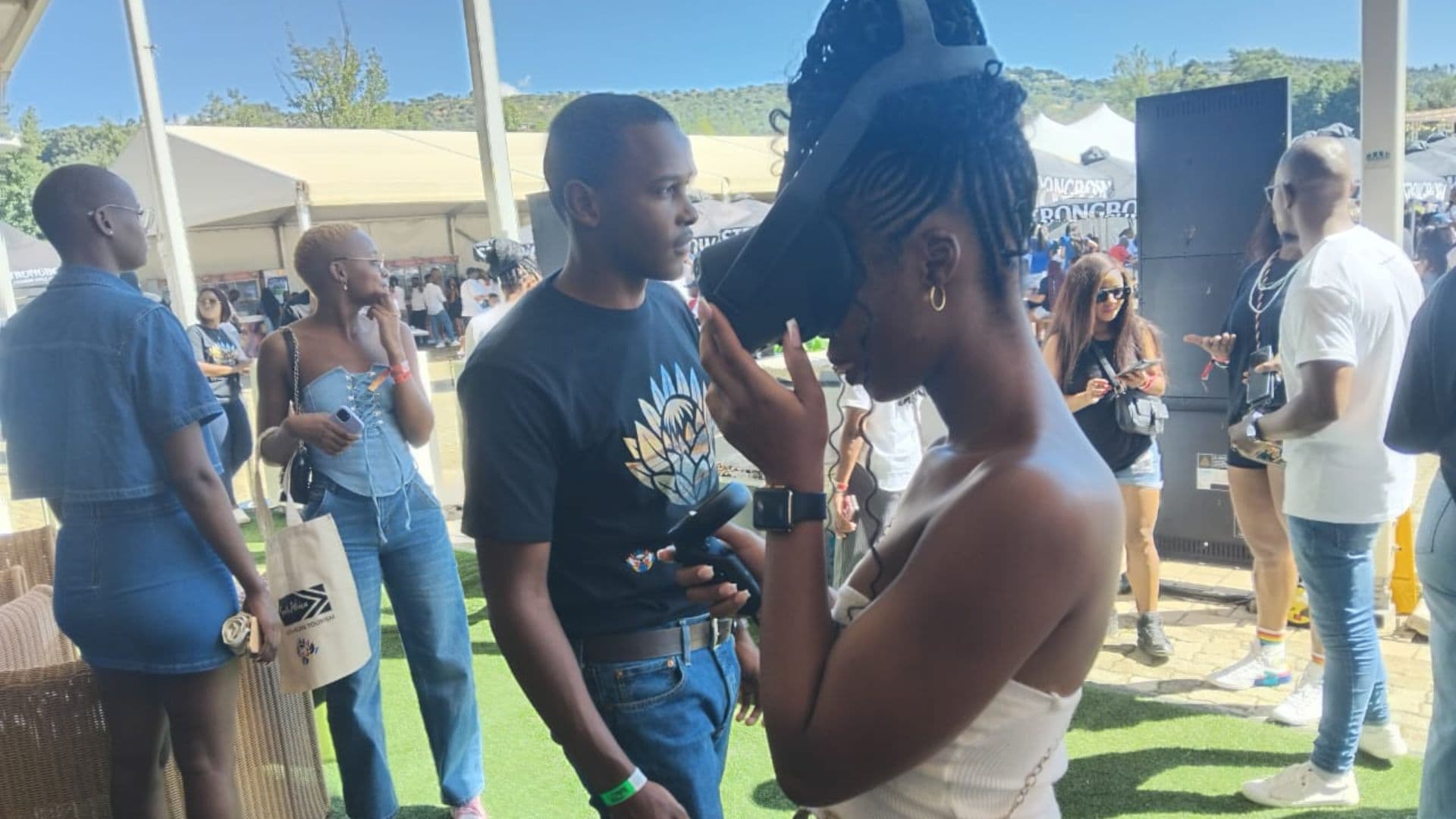
Experiencing South Africa in 360: A Virtual Reality Journey
Immersing in the Vibrant Culture and Scenic Wonders of South Africa Imagine exploring the sweeping savannahs, bustling urban centers, and ancient...
Immersing in the Vibrant Culture and Scenic Wonders of South Africa
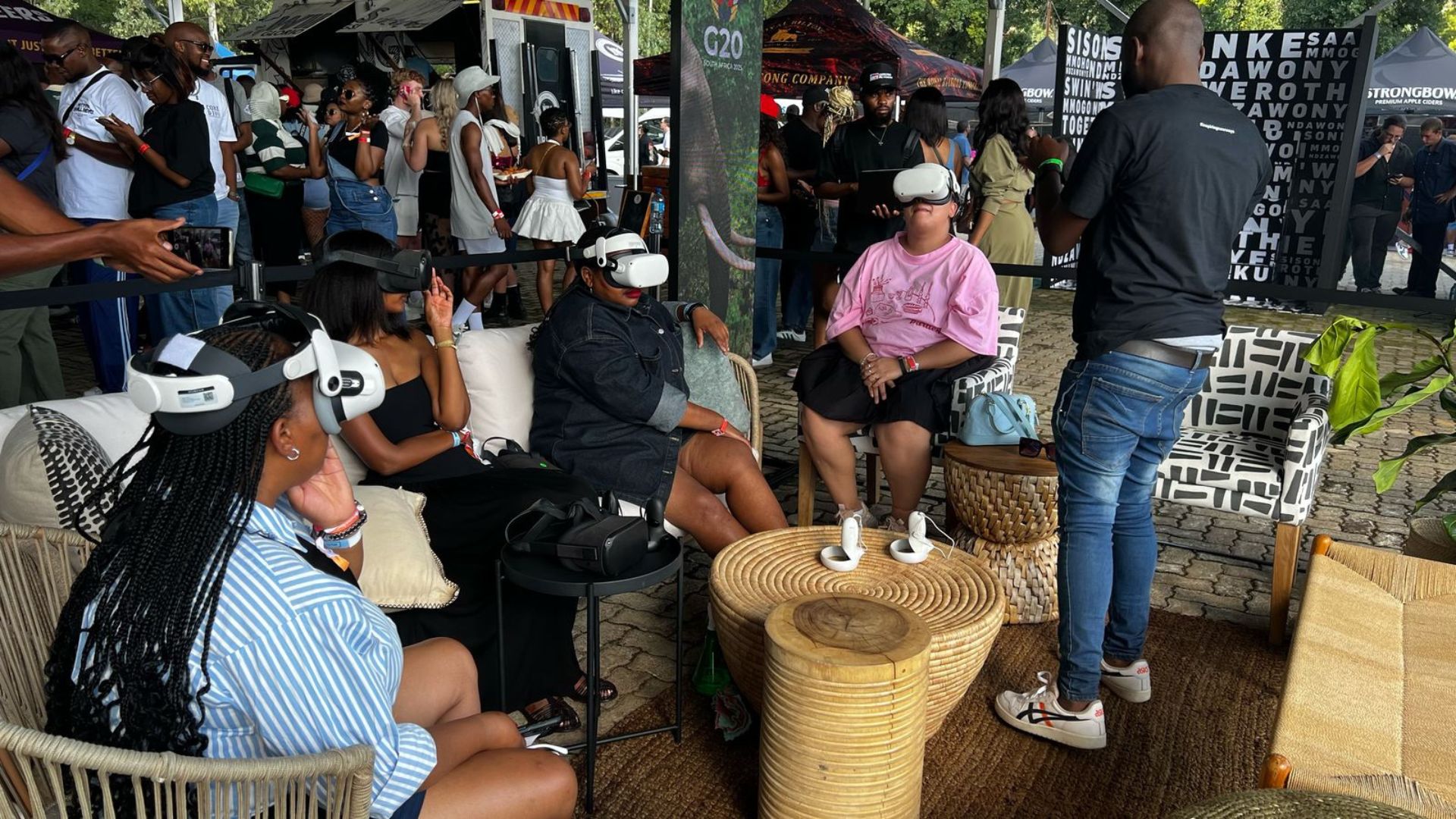
Imagine exploring the sweeping savannahs, bustling urban centers, and ancient cultural landmarks of South Africa without leaving your home. In a groundbreaking 360 virtual reality event, participants were transported into a digital replica of South Africa, where every vibrant detail—from the rhythmic beats of local music to the majestic outlines of Table Mountain—was brought to life in immersive detail. This event not only showcased the country’s breathtaking natural beauty but also offered an engaging, interactive exploration of its diverse cultures and history.
By merging advanced VR technology with rich, authentic content, the experience created a bridge between digital innovation and cultural storytelling. Visitors were invited to explore historical sites, sample virtual culinary delights, and even engage with local artisans in simulated marketplaces. The event highlighted how virtual reality can serve as a powerful medium for cultural exchange and education, making South Africa’s unique heritage accessible to a global audience. The following sections break down the technical innovations, cultural insights, and future potential revealed by this dynamic VR event.
Immersive Cultural Exploration
A Digital Safari Through South Africa’s Landscapes
Picture yourself on a virtual safari, where every rustle in the bush and distant roar of wildlife is rendered in vivid 360-degree detail. This VR event took users on an immersive journey through South Africa’s iconic landscapes—from the rugged beauty of the Drakensberg Mountains to the expansive plains of the Karoo. The immersive environment allowed participants to virtually traverse these terrains, observing wildlife and nature in ways that traditional media simply cannot capture.
The digital safari experience was enhanced by high-resolution visuals and spatial audio that recreated the natural ambiance of the African wilderness. Advanced VR technology ensured that each scene was not only a visual delight but also a realistic encounter, complete with the subtle sounds of nature and dynamic weather effects. This fusion of technology and storytelling provides a new way for audiences to appreciate South Africa’s natural wonders, blending education with the thrill of discovery. It’s a journey that transforms remote landscapes into an accessible adventure, inviting users to experience the continent’s raw beauty firsthand.
Cultural Landmarks and Historical Narratives
Step into virtual reconstructions of South Africa’s most treasured cultural landmarks and experience history as if you were there. The event featured detailed 360-degree tours of sites such as Robben Island and the Apartheid Museum, where historical narratives were enriched with interactive elements. Users could wander through meticulously recreated environments, absorbing layers of context through multimedia exhibits and audio-guided tours that provided historical insights and personal stories.
These virtual tours were designed to evoke a deep emotional connection, using storytelling techniques that interlace historical facts with personal anecdotes from those who lived through significant events. The result is an experience that not only educates but also inspires empathy and reflection. Through carefully curated content and immersive design, participants gained a nuanced understanding of South Africa’s complex past, appreciating the resilience and spirit of its people. This innovative approach to cultural education demonstrates the transformative potential of VR in making history palpable and engaging.
Interactive Marketplaces and Artisan Showcases
Imagine stepping into a vibrant virtual marketplace where local artisans showcase their crafts, from handwoven textiles to intricately carved wooden sculptures. In this immersive environment, users can explore digital stalls, interact with virtual vendors, and even learn about the traditional techniques behind each piece. This facet of the event highlights South Africa’s rich artisan heritage, offering an engaging, hands-on experience that celebrates local creativity and craftsmanship.
The virtual marketplace was designed with meticulous detail, capturing the lively atmosphere of traditional markets with dynamic animations and interactive features. Visitors could click on items to learn about their cultural significance, listen to the stories behind the crafts, and even participate in live demonstrations. This digital interaction goes beyond passive viewing, inviting users to connect with the artisans’ narratives and fostering a sense of community and cultural exchange. Such experiences underscore how VR can democratize access to cultural heritage, making art and tradition accessible to a global audience.
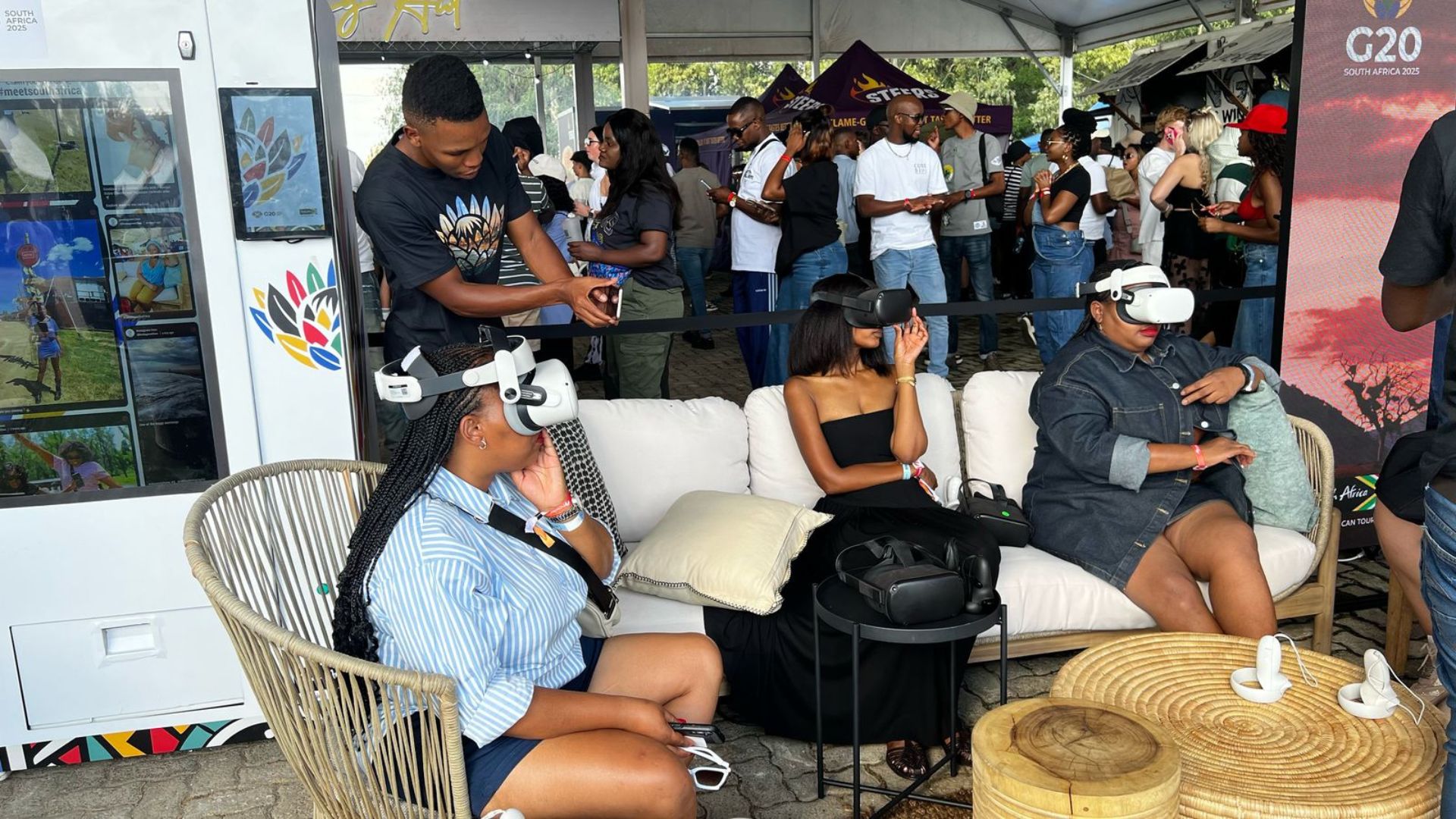
Technical Excellence in 360 VR
Cutting-Edge Display and Immersive Optics
At the core of the event’s success was the state-of-the-art display technology that powered the 360 VR experience. Utilizing high-resolution 360-degree video capture and advanced projection systems, the event delivered crisp, vibrant visuals that fully immersed participants in the scenes of South Africa. The innovative optical systems minimized distortions and provided a seamless, panoramic view that made the digital landscapes come to life with exceptional clarity and depth.
The immersive optics were complemented by precise calibration techniques that ensured consistent image quality across the entire field of view. Users were treated to a lifelike visual experience where every detail—from the texture of a sandstone cliff to the shimmering reflection on a waterhole—was rendered with remarkable fidelity. This technical prowess not only enhances the realism of the experience but also demonstrates the significant strides made in VR technology. It’s a testament to how advanced display systems can transform digital content into an engaging, almost tangible reality.
Spatial Audio and Environmental Soundscapes
Sound plays a critical role in deepening immersion, and the event leveraged cutting-edge spatial audio technology to create a dynamic, 3D soundscape that mirrored the visual experience. By accurately positioning sounds in three-dimensional space, the VR experience enabled users to hear the rustle of leaves, the distant calls of wildlife, and the ambient chatter of a bustling market, all with pinpoint accuracy. This level of auditory detail significantly enhances the realism and emotional impact of the experience.
The spatial audio system was engineered to adjust to user movements, ensuring that sound cues remained aligned with the visual perspective. Whether moving through a serene savannah or a lively cultural hub, participants experienced a continuous, immersive sound environment that deepened the sense of presence. By integrating sophisticated audio processing with high-fidelity speakers, the event provided a multi-sensory experience that not only captivates but also enriches the narrative of South Africa’s landscapes and cultural heritage.
Seamless Interactivity and User Engagement
The true power of the VR event lay in its ability to engage users actively, transforming them from passive viewers into active participants. Advanced interactive features allowed users to navigate virtual environments intuitively, using natural gestures and voice commands to explore digital spaces. This seamless interactivity ensured that every participant could tailor their experience to their own pace and interests, whether they were exploring a historic site or wandering through a virtual market.
Robust tracking systems and intuitive interfaces played a key role in making interactivity fluid and natural. The technology enabled real-time adjustments and immediate feedback, ensuring that each user’s actions translated smoothly into the digital world. This responsive interactivity not only enhances user satisfaction but also fosters a deeper connection with the content. By integrating engaging interfaces with interactive storytelling, the event set a new benchmark for what immersive VR experiences can achieve, paving the way for even more personalized and dynamic virtual journeys.
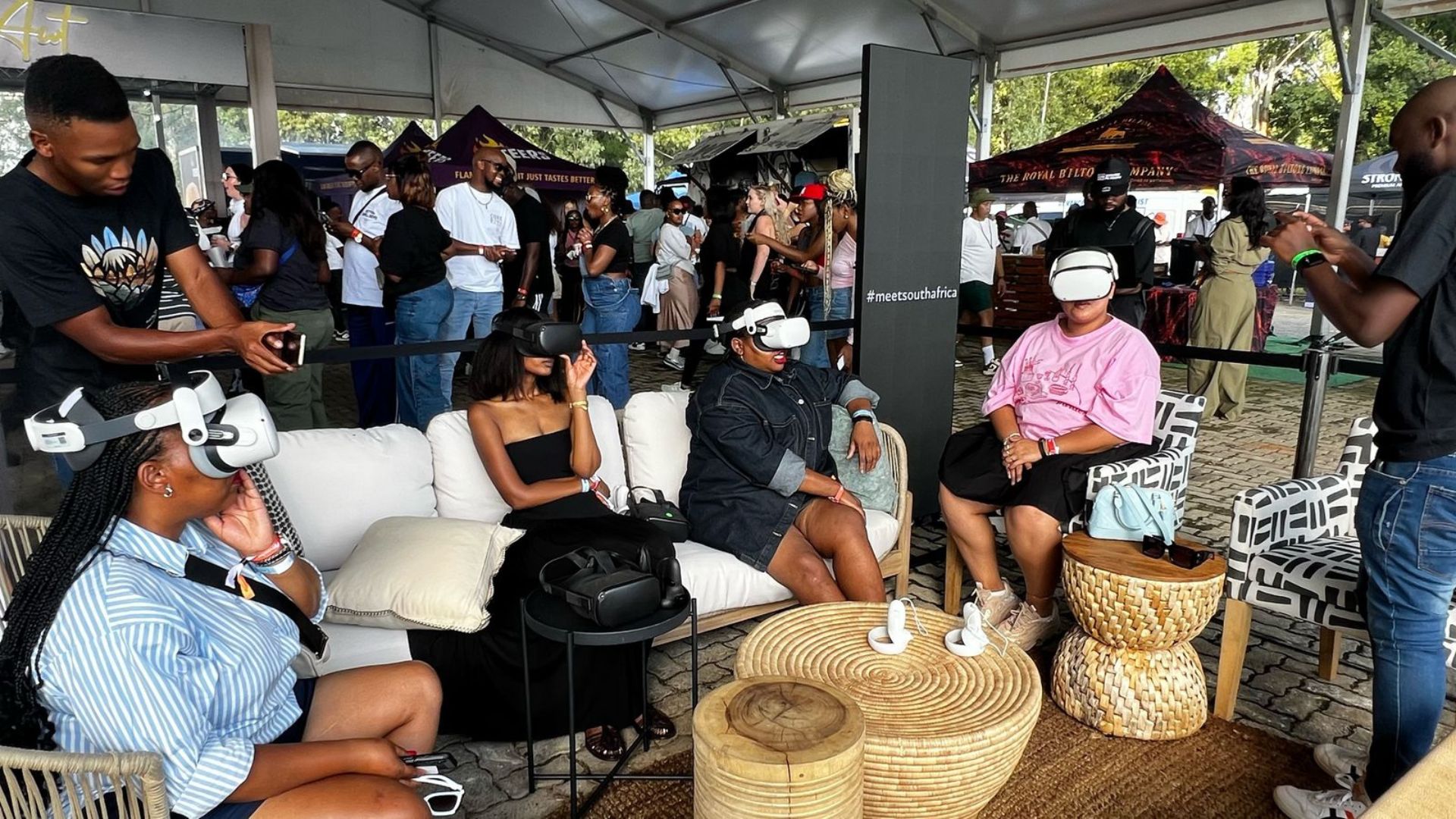
Community Engagement and Storytelling
Capturing Local Voices and Experiences
A vital component of the 360 VR event was its focus on authentic storytelling, drawing on the voices and experiences of South Africans to enrich the narrative. Through a series of interviews and personal testimonies, local residents shared their insights, traditions, and hopes, providing an intimate glimpse into the country’s soul. These stories were woven into the virtual experience, offering participants a multi-dimensional view of South Africa that transcended typical tourist impressions.
This narrative approach was achieved through high-quality video recordings and immersive audio that allowed viewers to connect emotionally with the storytellers. The integration of personal anecdotes and historical context provided a rich tapestry of insights that brought the cultural landscape to life. By highlighting individual voices, the event created a sense of shared identity and community, inviting users to see beyond the surface and appreciate the depth of South Africa’s heritage. This storytelling method is a powerful example of how VR can bridge cultural divides and foster empathy through immersive narratives.
Fostering Global Connections Through Virtual Interaction
The event also emphasized the power of virtual reality to connect people across borders. Participants from around the world were able to join in the experience, interact with each other, and share their perspectives on the digital tour of South Africa. This global interaction not only broadened the reach of the event but also created a dynamic community where cultural exchange was at the forefront. Virtual forums and live Q&A sessions allowed users to discuss their impressions and ask questions, enriching the collective experience.
These interactive elements fostered a dialogue that transcended geographical limitations, highlighting the potential of VR as a tool for global connectivity. By bringing together diverse audiences in a shared digital space, the event demonstrated how immersive technology can unite people through common experiences. This virtual melting pot of ideas and cultures underscores the transformative power of VR in creating meaningful connections and inspiring collaborative exploration of the world’s rich cultural heritage.
Interactive Storytelling and Immersive Narratives
At the heart of the event was the art of interactive storytelling. The VR experience was carefully crafted to allow users to choose their own paths, explore various narratives, and delve deeper into areas of personal interest. Whether following a guided tour through a historic township or wandering off the beaten path to uncover hidden gems, the immersive design provided a sense of agency that is rarely available in traditional media. This interactive element transforms the experience into a personal journey, where every decision shapes the narrative.
The use of interactive elements not only enhances engagement but also serves as an educational tool, allowing users to learn through exploration and self-discovery. By integrating choice-driven narratives with high-quality visuals and audio, the event created a multifaceted experience that is as informative as it is captivating. This innovative approach to storytelling in VR sets a new standard for how cultural and historical content can be delivered, making the experience memorable and deeply personal for each participant.
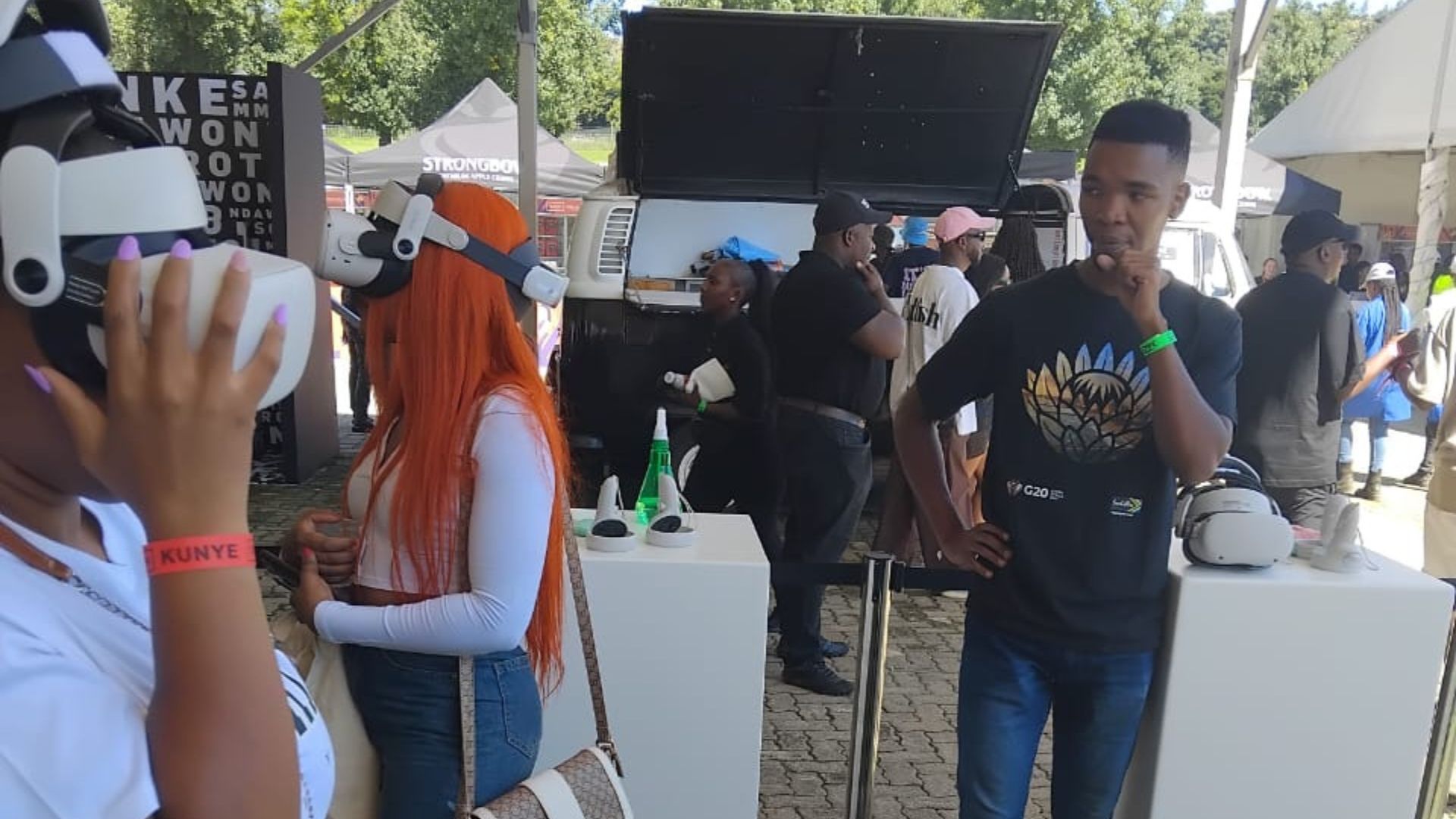
Future Prospects and the Impact of VR in Cultural Tourism
Expanding Access to Cultural Heritage
The success of this 360 VR event signals a bright future for virtual cultural tourism, where historical and cultural landmarks become accessible to a global audience. As VR technology continues to advance, the ability to experience destinations like South Africa in vivid detail opens up new avenues for education and cultural preservation. Virtual tours can provide access to sites that are geographically or politically challenging to visit, democratizing the experience of heritage and history.
This expanded access not only benefits travelers but also serves as a vital tool for cultural institutions seeking to engage younger, tech-savvy audiences. By leveraging immersive technology, museums, heritage sites, and cultural organizations can share their stories with millions, fostering a deeper understanding and appreciation of diverse cultures. The potential for VR to revolutionize cultural tourism is immense, offering both educational and economic benefits that can help preserve our world’s rich cultural tapestry.
Driving Innovation in Virtual Experiences
The innovations showcased in this event demonstrate the immense potential of VR to transform how we experience and interact with cultural content. As technology continues to improve—through higher resolution displays, more responsive tracking, and increasingly immersive interactivity—the possibilities for future events are boundless. We can expect even richer, more dynamic virtual experiences that integrate artificial intelligence, advanced data analytics, and real-time personalization, ensuring that each journey is as unique as its participant.
The momentum behind immersive cultural events will likely spur further investments in content creation and technological development. As VR becomes more integrated into mainstream cultural tourism, we may see a surge in interactive exhibitions, virtual festivals, and digital heritage projects that redefine how we engage with our collective history. These advancements promise not only to enrich our understanding of the past but also to shape the future of global cultural exchange.
Building a Global Community Through VR
Virtual reality has the unique ability to unite people from around the world, creating communities that transcend physical borders. This event exemplified how immersive experiences can foster global connections, encouraging dialogue and collaboration among participants with diverse backgrounds. The sense of shared discovery and collective learning created a virtual community that continues to grow even after the event concludes.
Looking ahead, the integration of social features with cultural VR experiences will only deepen these connections. Enhanced interactivity and real-time collaboration can transform solitary virtual tours into vibrant, community-driven events. As more people participate in these digital journeys, the resulting global network of cultural exchange will help build bridges of understanding and mutual respect. This promising future for VR in cultural tourism not only broadens access to heritage but also enriches the social fabric of our increasingly interconnected world.
Frequently Asked Questions
How does the 360 VR event make South African culture accessible to a global audience?
The event uses high-resolution 360-degree video, immersive audio, and interactive storytelling to recreate South Africa’s landscapes and cultural landmarks in vivid detail. This approach allows users from anywhere in the world to explore historical sites, vibrant marketplaces, and natural wonders without traveling, fostering a deep connection with South African heritage.
What interactive features enhance the virtual tour experience?
Users can navigate through digital environments with natural gestures, click on artifacts for detailed explanations, and engage in live Q&A sessions with cultural experts. These interactive elements enable a personalized exploration, allowing participants to tailor their experience and gain insights into specific cultural narratives and historical contexts.
How does the event integrate authentic local voices and stories?
The event features interviews and personal testimonies from South Africans, seamlessly woven into the VR experience. These narratives provide firsthand insights into local traditions, historical events, and community life, enriching the overall experience with a layer of authenticity and emotional depth that goes beyond visual storytelling.
What role does spatial audio play in enhancing immersion?
Spatial audio is integral to creating a lifelike experience by accurately positioning sound sources in three-dimensional space. This technology helps users feel as if they are truly present in each scene—hearing the ambient sounds of nature, the chatter of a marketplace, or the echoes in historical sites—which significantly enhances the realism and emotional impact of the virtual tour.
What are the future prospects of VR in cultural tourism?
As VR technology continues to advance, cultural tourism is set to become more immersive and interactive. Future developments could include even higher resolution visuals, more responsive interactivity, and AI-driven personalization. These improvements promise to make cultural heritage more accessible and engaging, fostering global connections and inspiring innovative ways to preserve and share history.
Author: Gerald Ferreira
Virtual Reality Activations is South Africa's leading immersive event provider, bringing interactive virtual reality experiences, high-end hardware rentals, and custom software builds to corporate activations nationwide.